

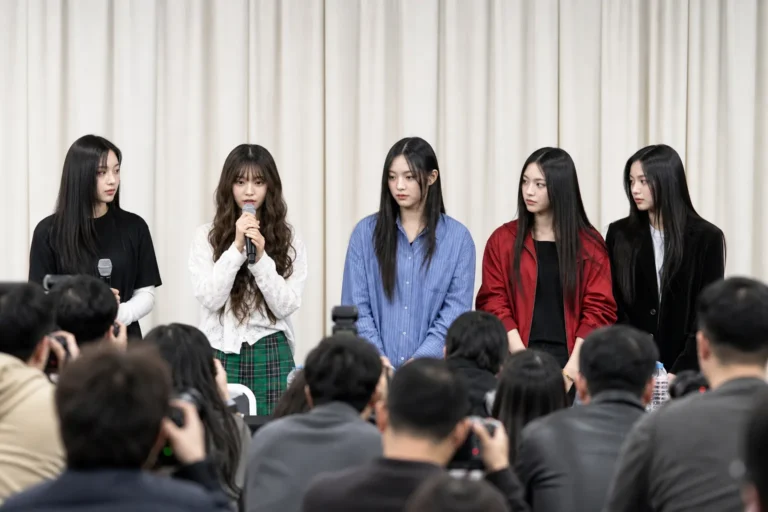
NewJeans’ latest anniversary activity has reopened a difficult question around the group’s future: how can one of K-pop’s most prominent names return to promotion while the public conversation around its agency dispute remains unresolved? A special video marking the group’s fourth debut anniversary has been read by many observers as an early sign that NewJeans may be preparing to resume activities, but the response has quickly moved beyond ordinary comeback anticipation.
The renewed attention comes during the long-running conflict involving NewJeans, ADOR, HYBE, and former ADOR chief Min Hee Jin. The dispute has already drawn legal, corporate, and fan scrutiny, and it has placed the members in the unusual position of being both highly successful artists and central figures in a larger debate over K-pop management, creative control, workplace culture, and artist autonomy.
A recent Korean opinion piece argued that the group’s return should be preceded by a public apology. The criticism focused less on music plans than on what the writer described as unresolved damage from the dispute, including remarks about the K-pop system, the effect of public accusations on other artists, and the position of employees who may now be expected to support the group’s next phase of activity.
Comeback Signals Meet Unfinished Controversy
For many K-pop groups, an anniversary video would usually function as a warm bridge between the past and the next release. In NewJeans’ case, the same gesture carries heavier meaning because the group’s recent history has been shaped by public statements, court developments, competing narratives, and intense fan division. Any sign of a comeback now invites questions about whether the relationship between the artists, their agency, and the public has been repaired enough for a normal promotional cycle.
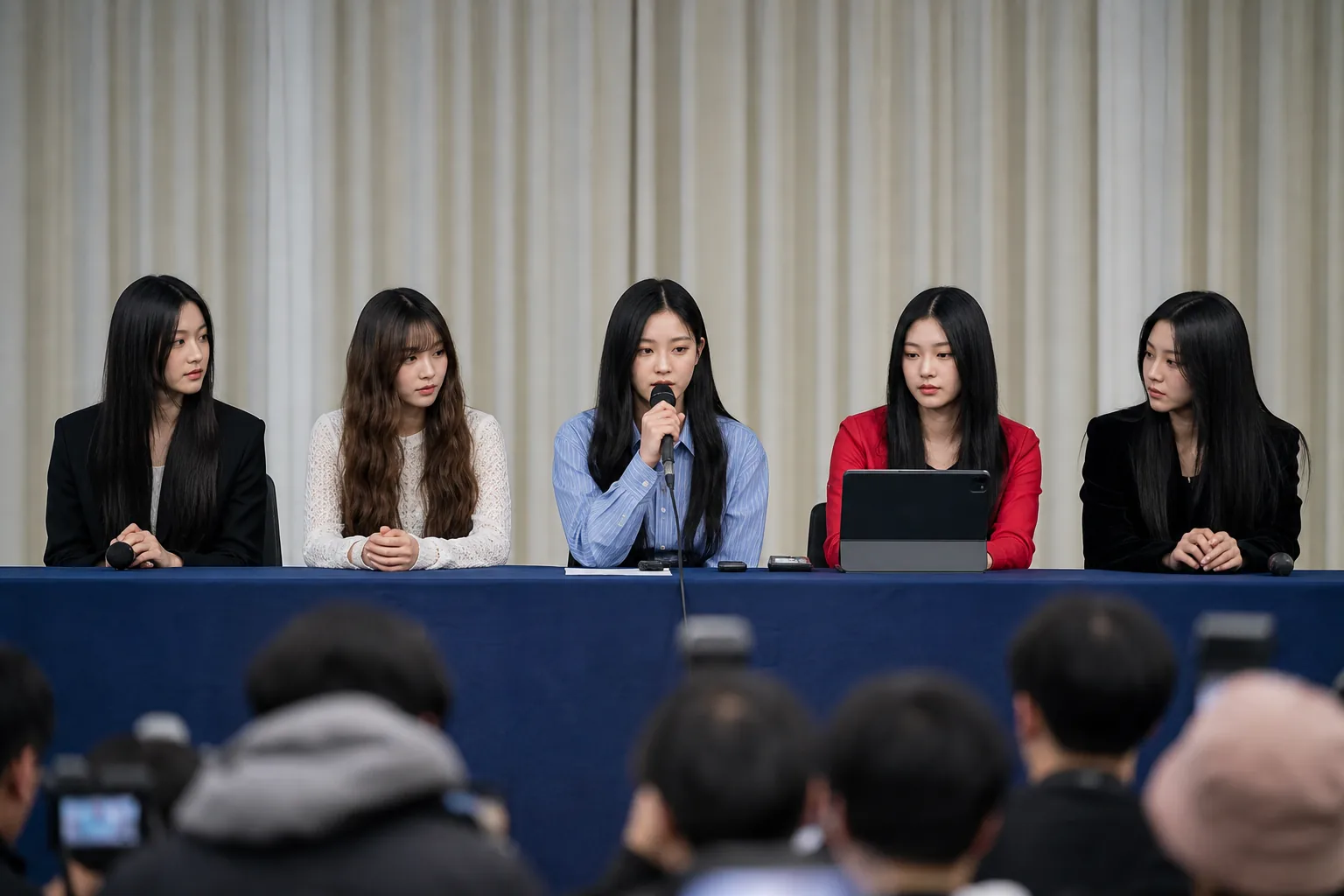
The most sensitive criticism concerns comments the members previously made about the broader industry and the pressure surrounding their situation. Those remarks were interpreted by some supporters as a call for necessary change and by some critics as a sweeping condemnation of the system that helped build the group’s career. That divide remains central to the current debate because it affects whether a return is seen as resilience, unfinished accountability, or both.
The dispute also expanded beyond NewJeans itself. Other HYBE-affiliated artists were pulled into public discussion at various points, and workplace-related claims led to further attention from fans, media, and political spaces. In a highly connected idol ecosystem, comments aimed at one company or executive can quickly become part of a broader conversation involving labelmates, staff members, fandoms, and the reputation of Korean pop music as an export industry.
The Staff Question Behind The Spotlight
One of the strongest arguments in the current backlash is that agency employees and production teams have been treated as invisible participants in the conflict. Comebacks require managers, stylists, producers, publicists, video crews, performance directors, and administrative staff to work in sync under demanding timelines. If NewJeans resumes activity under ADOR, many of the same behind-the-scenes workers may be asked to help deliver the group’s next public chapter despite the tension that has surrounded the company.
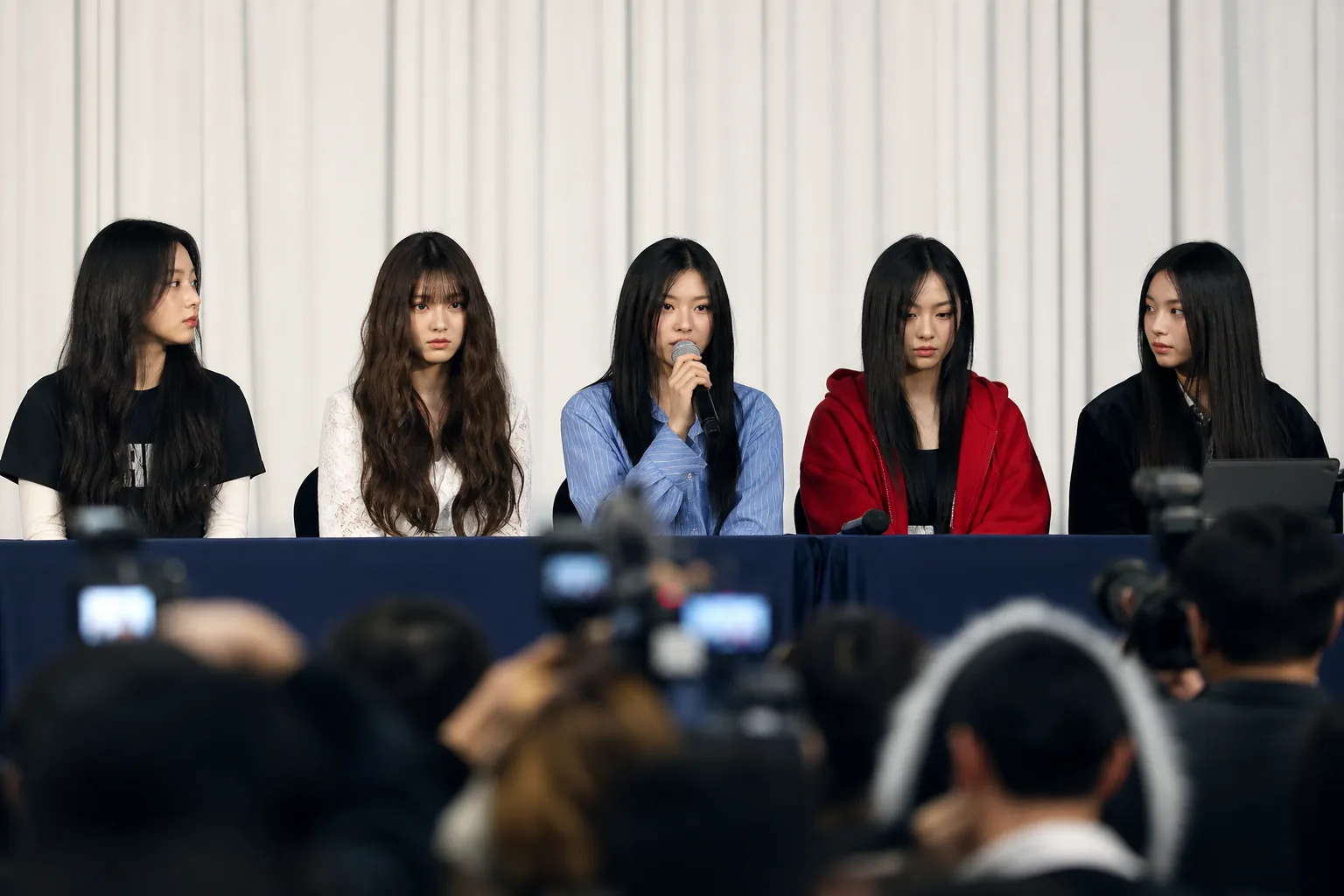
That does not mean the members alone carry responsibility for every consequence of a corporate dispute. K-pop conflicts often involve agencies, executives, legal representatives, parents, investors, and public opinion moving at once. Still, the debate shows how artist branding depends on more than chart performance. A group can have global recognition and a loyal fan base while still facing questions about trust, professionalism, and how it acknowledges people affected by a public standoff.
For NewJeans, the challenge is complicated by the group’s image. Since debut, the act has been associated with freshness, youth culture, visual clarity, and a sound that helped reshape mainstream girl group trends. That identity made the group commercially powerful, but it also makes prolonged conflict harder to separate from the brand. A comeback campaign would need to persuade listeners that the music can lead the conversation again.
What A Return Would Need To Address
A neutral path forward may require more than a release date. The group and its management will likely need a clear communication strategy that acknowledges the unusual circumstances without turning every promotional appearance into a legal or corporate statement. Silence may protect active proceedings, but too much ambiguity can allow critics and supporters to define the narrative for them.
The issue also reflects a larger shift in K-pop. Fans increasingly expect artists to have agency and a voice, while companies still control many of the systems that make idol careers possible. When those expectations collide, the public often asks young performers to answer for decisions shaped by adults, contracts, and business structures. NewJeans’ situation has become one of the clearest examples of that tension.
If NewJeans does move toward a formal comeback, the response will probably depend on both the music and the tone of the rollout. Strong songs may restore focus, but they may not erase the questions now attached to the group’s return. The anniversary video has shown that public interest remains high. The harder task will be converting that attention into a stable comeback narrative after months of dispute-driven scrutiny.



Join the Conversation
Log in to share your thoughts and join the conversation with other fans.