
Two Women Arrested After Alleged Trespass At CORTIS Dormitory In Seoul

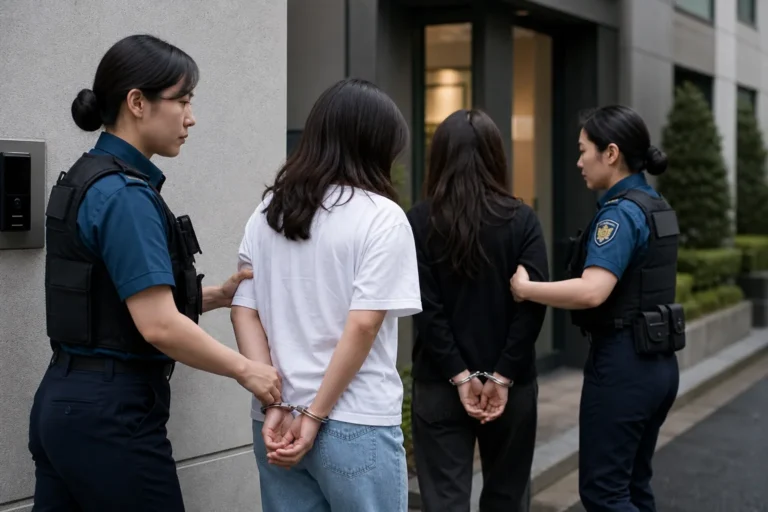
Two foreign women have been arrested after allegedly entering the dormitory building used by the K-pop group CORTIS in Seoul, a case that has quickly drawn attention because it touches one of the most sensitive issues in idol management: the line between public fandom and private life.
The incident reportedly took place at around 2 a.m. on July 23 in Yongsan-gu, Seoul. Police were called after a manager noticed signs that something was wrong near the group’s residence, including a package outside the dormitory that appeared to have been opened and a front door that was not secured. Officers later found the women on another floor of the apartment building and took them into custody.
The two women were identified as Chinese nationals. During questioning, they reportedly denied damaging the package or entering the actual dormitory space. They said they had obtained the dorm address through social media and went to the building after buying that information online.
Private Address Allegedly Sold Online
The claim that the dormitory address was purchased on social media has become one of the most closely watched details of the case. Idol dormitories are not public venues, and agencies generally keep residential information private to protect artists, managers, and staff from stalking, crowding, and unauthorized contact.
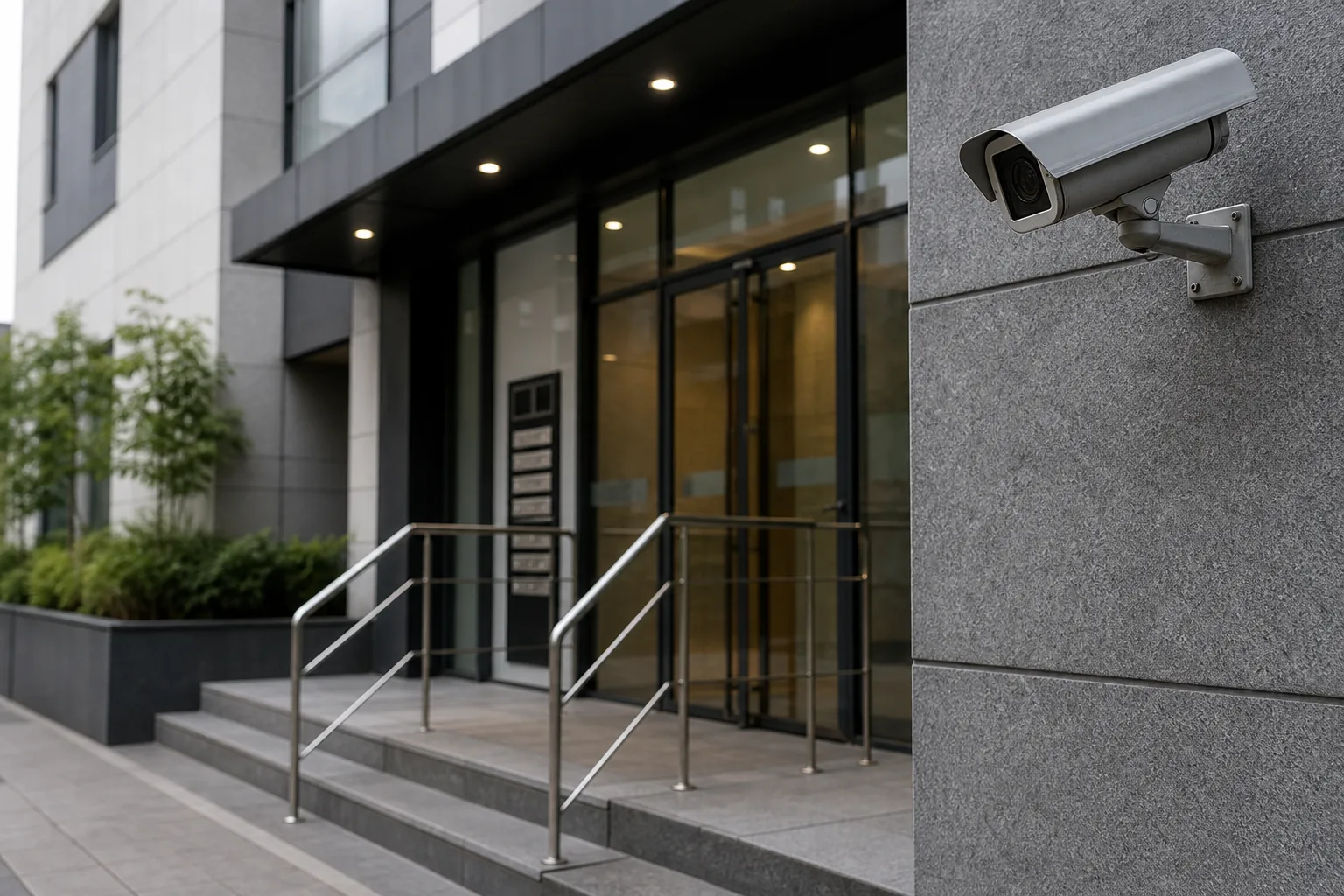
Even when no physical injury is reported, an unauthorized visit to a private residence can create serious safety risks. Dormitory buildings often include shared entrances, delivery areas, elevators, and hallways used by residents who have no connection to the entertainment industry. For artists, the concern is not only whether someone crossed the threshold of a room, but whether private routines, home addresses, and security patterns have been exposed.
The timing also adds weight to the case. A visit at around 2 a.m. is far removed from normal fan activities such as attending concerts, public schedules, fan signs, or broadcasts. It places the encounter in a residential setting at a vulnerable hour, when staff may be limited and building residents expect privacy.
CORTIS, a newer-generation boy group with a fast-growing public profile, has already been part of intense online discussion among K-pop fans this year. As visibility rises, so does the pressure on agencies to manage not only public appearances but also the hidden security work around homes, vehicles, practice facilities, and personal schedules.
Why Dorm Incidents Matter In K-Pop
K-pop dormitory incidents tend to resonate beyond one group because they reflect a recurring problem across the industry. Fans can follow official schedules, buy albums, attend performances, and engage with artists through approved platforms, but private residences are outside that relationship. When address information circulates online, it can encourage behavior that agencies, artists, and most fans view as invasive.
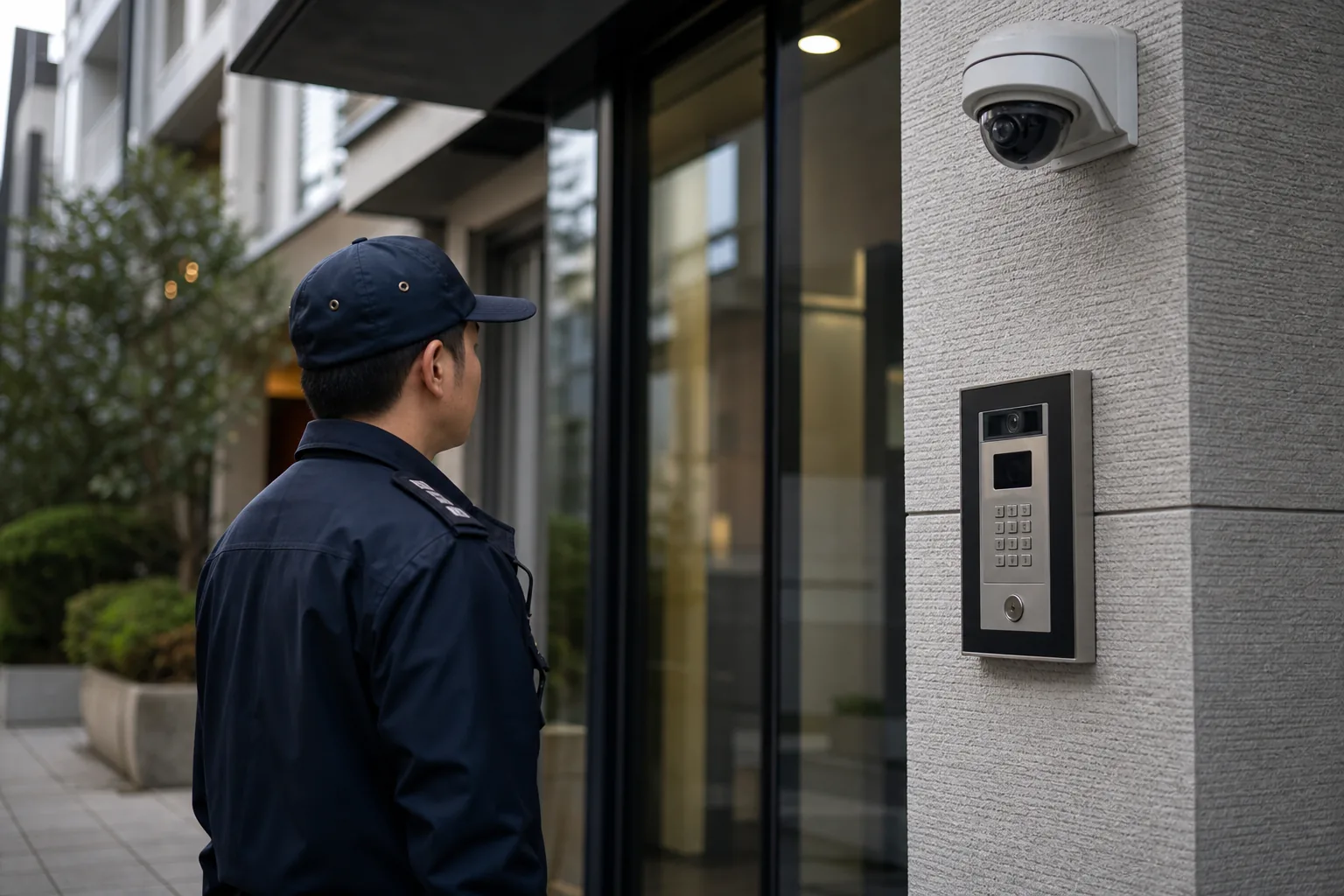
The reported explanation from the women, if accurate, also points to a market for personal information. A dorm address being sold on social media suggests that private details may be treated as collectible or tradable content. That is especially concerning in an industry where artists’ movement patterns can be pieced together from sightings, delivery clues, livestream backgrounds, and posts by people near entertainment facilities.
For agencies, this kind of incident can force a reassessment of basic security practices. Managers may need to review delivery handling, building access, surveillance coverage, resident communication, and how quickly staff can respond to unusual activity. Apartment security is complicated because agencies do not control every part of a shared building, and ordinary residents should not have to absorb the disruption of idol-related trespassing attempts.
The case also places responsibility on fan communities. Most fans reject invasive behavior, but online spaces can sometimes amplify private information faster than it can be removed. When addresses or personal schedules appear online, reposting them can expand the risk even when the person sharing does not intend to cause harm.
Public support for an artist does not require physical access to private spaces. The CORTIS case is a reminder that the safest fan culture is one that separates enthusiasm from entitlement, especially when young artists live and work under constant public attention.
Police handling of the case will determine what legal consequences follow. For now, the reported arrests have already renewed discussion about how K-pop agencies, building managers, online platforms, and fans can respond when private residential information becomes part of an informal online marketplace.
As the industry continues to globalize, the challenge is likely to become more complicated. International fans may travel for concerts, pop-up events, or personal trips, while social media can make private information appear easily accessible across borders. That makes clear boundaries more important, not less. Idol dormitories are homes, and protecting them is part of protecting both artists and the people who live around them.



Join the Conversation
Log in to share your thoughts and join the conversation with other fans.