
Prosecutors Seek Four-Year Sentence For Actor Son Seung Won In DUI Appeal

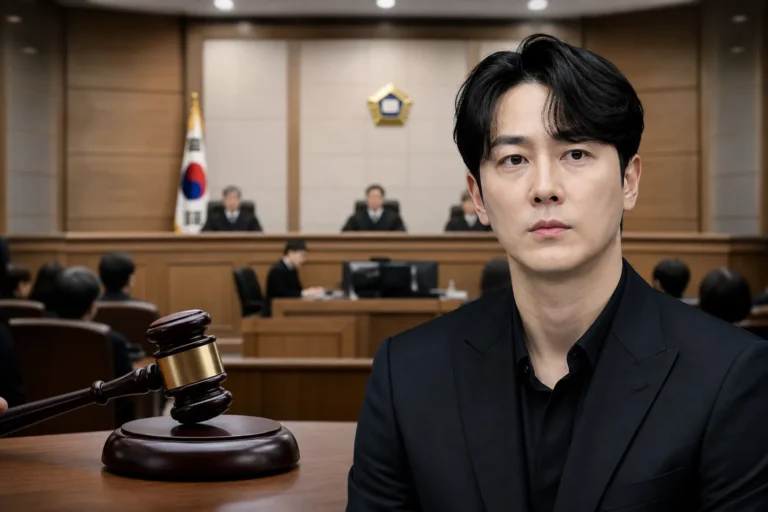
Prosecutors have asked an appellate court to sentence actor Son Seung Won to four years in prison as his latest drunk-driving case moves through a second trial. The request came during the first appeal hearing held on July 23 at the Seoul Western District Court, where the court also closed arguments in the case.
Son, 36, is facing charges including violation of the Road Traffic Act for drunk driving. The case has drawn attention in Korean entertainment circles because it involves what authorities describe as his fifth drunk-driving offense, renewing scrutiny of repeat offenses by public figures and the legal consequences that follow them.
Appeal Hearing Concludes After Sentencing Request
At the hearing, prosecutors asked the appellate panel to impose the same four-year prison term they had sought in the first trial. They argued that Son has multiple prior offenses of a similar nature and that the risk of reoffending remains high. The prosecution position places emphasis on his record rather than treating the latest incident as an isolated mistake.
Son had previously received a one-year prison sentence in the first trial and was taken into custody after that ruling. His side has asked the appellate court for leniency, stressing that he has admitted the charges and has been reflecting on his conduct. His legal representative also noted that he accepted the first-trial findings and did not file an appeal himself.
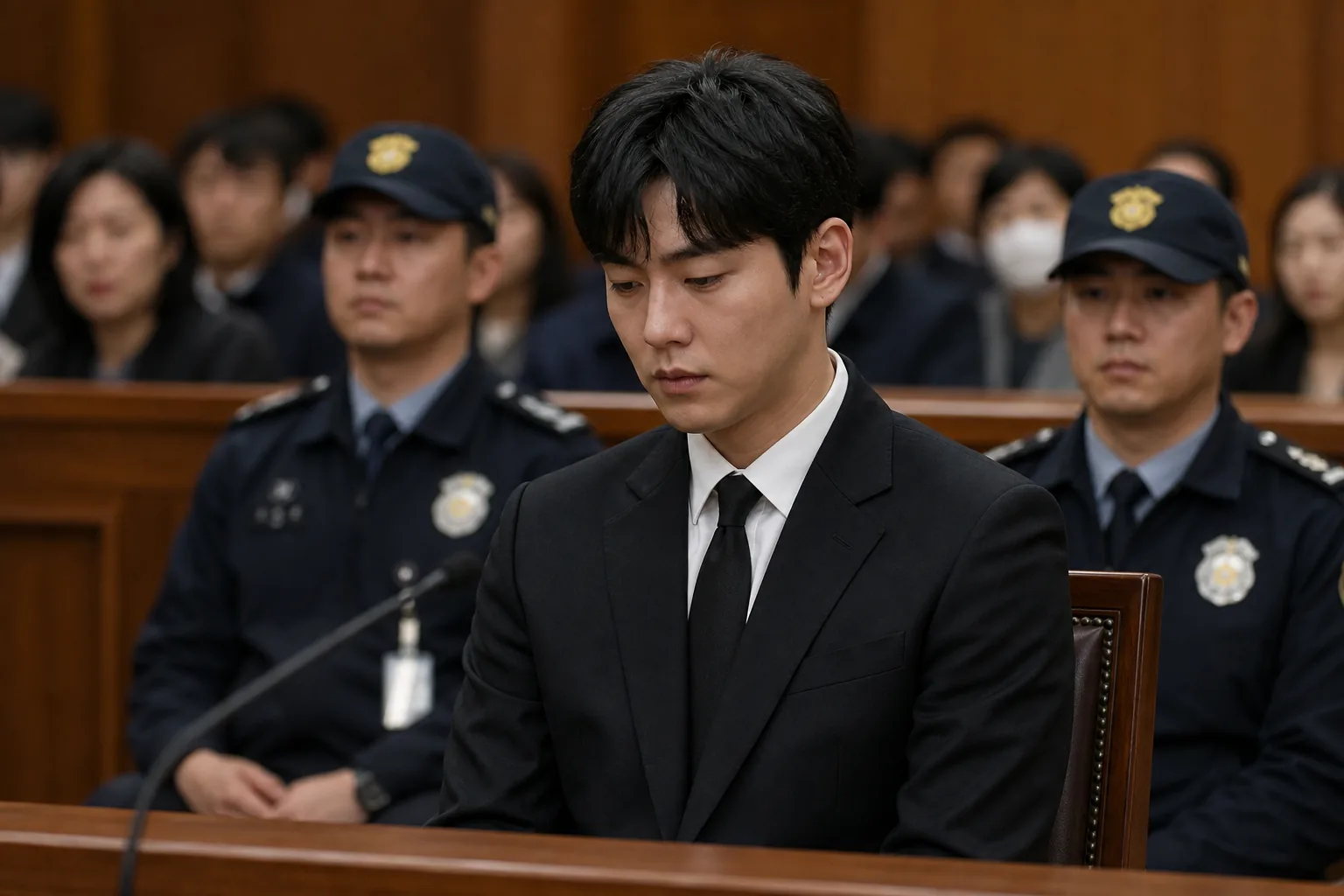
In his final statement, Son expressed remorse and said he has been reflecting on the case daily. He said he intends to spend the remaining period in repentance, pay for his wrongdoing, and live responsibly for his family after returning to society. He also stated that he would not repeat the same mistake.
The Incident Behind The Case
The latest charges stem from an incident in November 2025, when Son was caught after driving in the wrong direction on Gangbyeonbuk-ro while under the influence. His blood alcohol concentration was measured at 0.165 percent, a level far above South Korea’s legal threshold for drunk driving and one that prosecutors have treated as a serious aggravating factor.
The case also includes an allegation connected to evidence concealment. After the incident, Son was accused of asking his girlfriend to remove a black box storage device from a vehicle that had been taken to Yongsan Police Station. That allegation has added another layer to the case beyond the drunk-driving charge itself, as it concerns conduct after the traffic offense.
Son’s history is central to why the appeal has attracted public attention. He had been punished several times in the past for drunk driving. In 2018, he was involved in a drunk-driving hit-and-run case and became the first entertainer to be sentenced under the so-called Yoon Chang-ho Act, a strengthened legal framework introduced after public outrage over fatal drunk-driving incidents. In that earlier case, he ultimately received a prison sentence of one year and six months on appeal.
Why The Case Resonates Beyond One Actor
The entertainment industry often faces intense public scrutiny when celebrities are involved in criminal cases, particularly cases connected to road safety. Drunk driving is treated not only as a personal failing but also as a public risk, and repeat offenses tend to intensify criticism because they suggest previous punishments did not prevent the same conduct from happening again.
Son’s case arrives at a time when public expectations for entertainers remain high. Actors, singers, and television personalities build careers on visibility and audience trust, and criminal allegations can quickly shift the conversation from professional work to accountability. For repeat drunk-driving cases, that scrutiny is often sharper because the offense carries a clear risk to other drivers, passengers, and pedestrians.
The appellate court will now consider the prosecution’s sentencing request, the defense plea for leniency, Son’s statement of remorse, and the record of the case. The outcome will determine whether the one-year prison sentence from the first trial is maintained, reduced, or increased toward the term prosecutors are seeking.
For now, the case remains a notable legal development involving a Korean actor whose past offenses have already shaped public understanding of the latest proceedings. The appeal verdict is expected to clarify how strongly the court weighs repeated drunk-driving history, the measured alcohol level, and the alleged post-incident attempt to conceal evidence.



Join the Conversation
Log in to share your thoughts and join the conversation with other fans.