

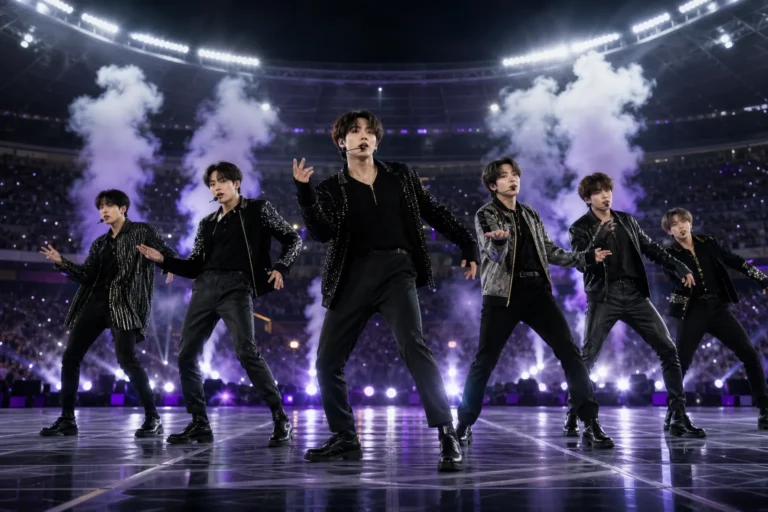
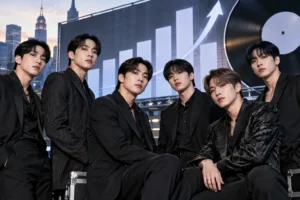
BTS’s halftime appearance at the 2026 FIFA World Cup has become one of the week’s most discussed K-pop moments after sharp criticism from a U.S. political-news podcast spread across social media. The performance had already drawn mixed responses from viewers, and the later commentary pushed the conversation beyond music circles into a broader debate about live performance standards, global visibility, and how K-pop artists are judged on mainstream international stages.
The criticism focused on the group’s vocals, movement, and overall stage energy during the halftime show. One segment compared the appearance unfavorably with past landmark Super Bowl halftime performances, arguing that the members appeared tired and that parts of the performance lacked impact. The remarks quickly circulated through short video clips, quote posts, and fan accounts, where they were interpreted in sharply different ways depending on viewers’ prior opinions of the group and the commentator.
For BTS, the World Cup stage represented another major global platform after years of crossing between pop, sports, diplomacy, and large-scale televised events. A halftime performance at the tournament carries an unusual level of scrutiny because it is watched not only by fans but also by casual sports viewers, critics, and audiences with little connection to K-pop. That broader audience can amplify both praise and criticism, especially when brief clips are separated from the full performance context.
A Performance Judged Beyond Fandom
The debate shows how differently a K-pop performance can be evaluated once it moves outside the industry’s usual spaces. Fans often weigh choreography difficulty, scheduling pressure, camera direction, stage design, and the demands of singing while dancing. General viewers may focus more narrowly on whether the televised result felt powerful, polished, and immediate. When those expectations collide, the same three-minute performance can become evidence for completely different arguments.
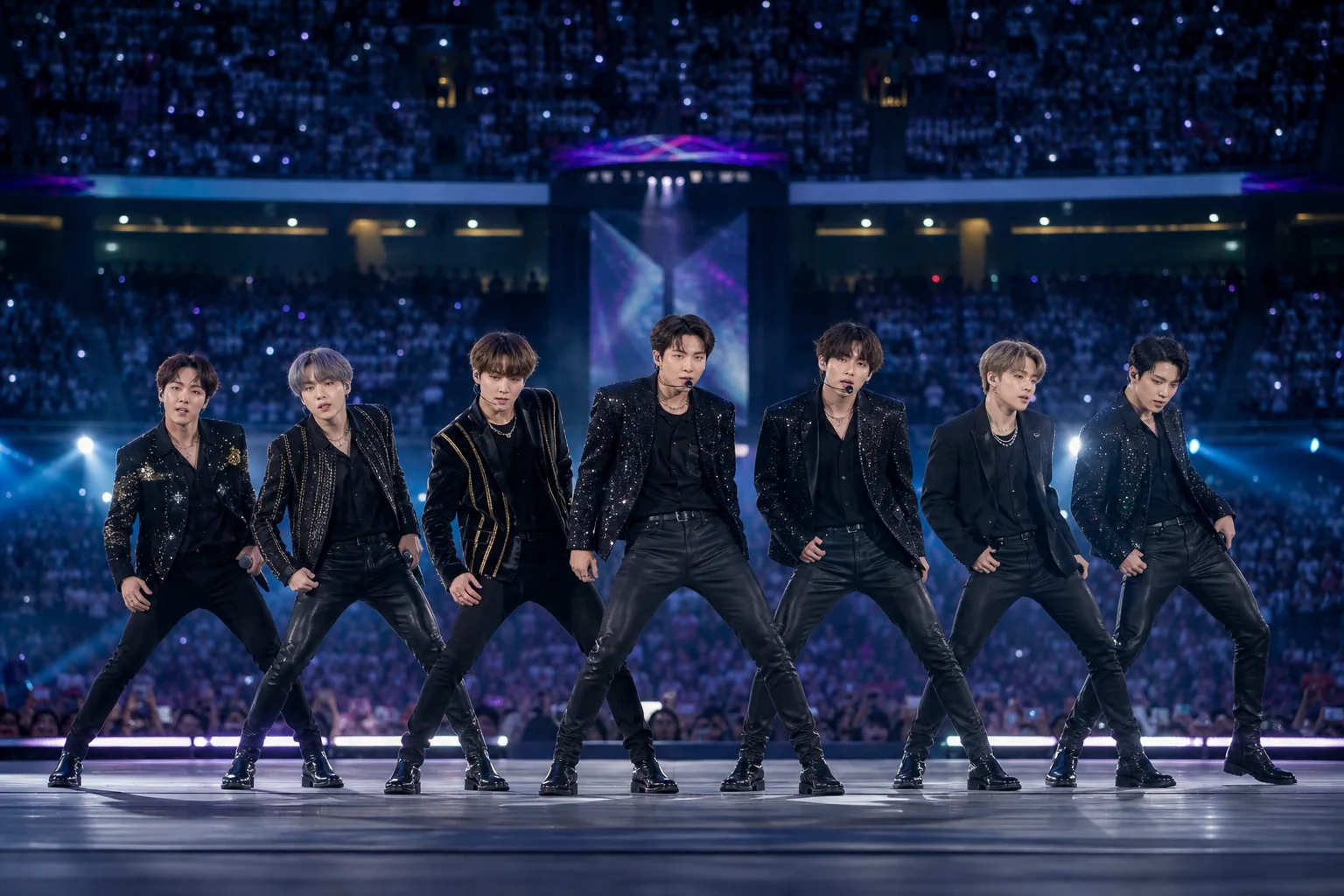
Some online users agreed with the criticism and said the halftime stage did not meet the scale of the occasion. Others argued that the reaction was exaggerated and that singling out BTS ignored the technical realities of a stadium show, including sound mixing, broadcast delays, open-air acoustics, and the compressed format of a global sports event. The discussion also included people who were less interested in the performance itself and more concerned with the political and cultural identity of the media figure delivering the critique.
The response was further complicated by fan-war dynamics. In K-pop spaces, commentary about one top act rarely stays limited to that act alone. Rival fandoms, casual listeners, and longtime supporters often enter the same thread with different motives, turning criticism of a performance into arguments about industry reputation, popularity, and double standards. As a result, the conversation around BTS quickly expanded into a broader fight over whether negative outside commentary should be amplified, dismissed, or challenged.
Why The Debate Spread So Quickly
There are several reasons the controversy gained traction. BTS remains one of the most recognizable Korean music acts worldwide, so any appearance on a major global broadcast attracts attention far beyond a normal comeback stage. The World Cup setting also raises the stakes: performances connected to international sports events are often treated as cultural statements, not just entertainment segments. When a well-known media personality criticizes such a moment, the reaction becomes part of the story.
Short-form platforms also favor conflict. A single clipped sentence about lip-syncing, dancing, or stage presence travels faster than a balanced review of the full set. Once circulated, the clip becomes a prompt for users to declare sides. Supporters may defend the artists’ professionalism and history of live performance, while critics may use the clip as confirmation of earlier doubts. That structure rewards strong reactions and makes nuance harder to sustain.
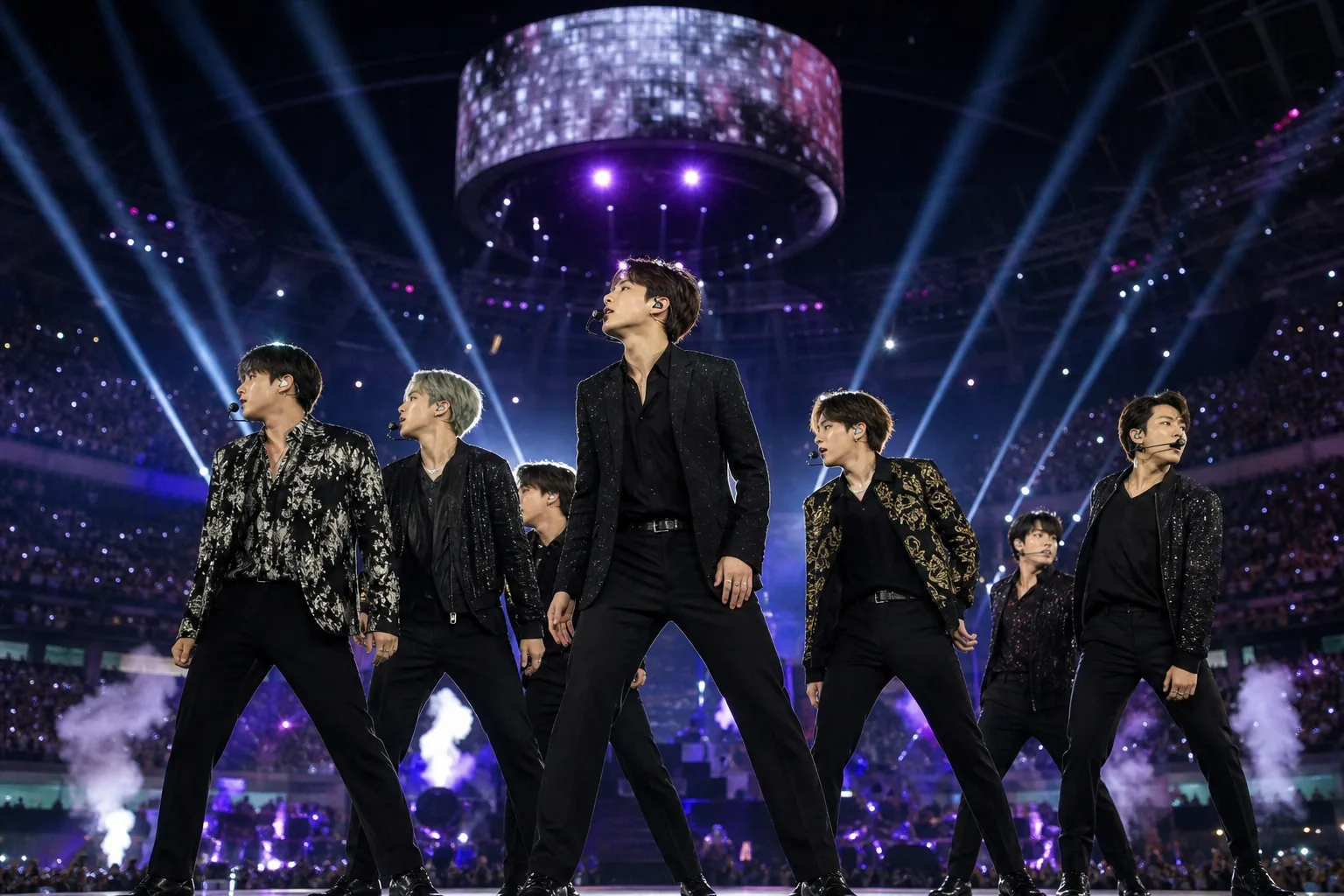
Still, the intensity of the debate points to BTS’s continuing cultural weight. Few artists generate this level of discussion from one televised appearance, and fewer still can turn a halftime show into a cross-platform argument involving music fans, sports viewers, and political-media audiences. The backlash and defense both underline the same reality: BTS performances are no longer judged only as K-pop events. They are treated as global pop moments, with all the heightened expectation that comes with that status.
The controversy is unlikely to change the group’s standing on its own, but it may remain part of a larger conversation about how K-pop is presented on Western and international broadcasts. For artists working at that scale, every live stage is assessed through multiple lenses at once: entertainment value, national representation, fandom pride, technical execution, and celebrity culture. BTS’s World Cup halftime debate shows how quickly those lenses can turn a performance into a wider argument about pop music’s place on the world’s biggest stages.

Join the Conversation
Log in to share your thoughts and join the conversation with other fans.