
BTS RM Reflects on How Art, Books, and Fashion Can Create Overwhelming Emotional Reactions

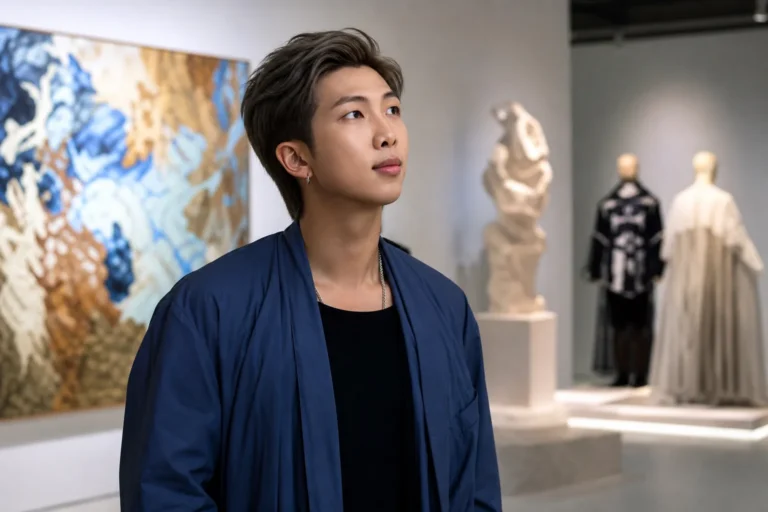
BTS leader RM has renewed public interest in the way art can affect the body as well as the mind after speaking about his experience with a condition commonly known as Stendhal syndrome. The rapper, songwriter, and art collector described moments when books, fashion, and visual culture have produced a reaction strong enough to stay with him for years.
The topic surfaced during RM’s recent appearance in an interview connected to Fashion Neurosis, where he reflected on personal taste, romance, clothing, and the memories attached to creative discovery. While the conversation was not a medical lecture, his remarks stood out because they gave fans another glimpse of how deeply he processes art and design.
Stendhal syndrome is generally used to describe a powerful psychosomatic response to beauty, especially in museums, historic cities, or settings filled with major works of art. People who describe the experience often mention symptoms such as dizziness, a racing heartbeat, disorientation, or emotional overwhelm. The phrase has long carried a mix of clinical, cultural, and literary meaning, but in popular discussion it has become shorthand for being physically moved by an encounter with beauty.
A Longstanding Link Between RM and Art
RM’s comments resonated because they fit a pattern that fans have watched develop over many years. He has frequently shared visits to museums, galleries, and architectural spaces, often using his public platforms to highlight paintings, sculpture, design, and books. Those posts helped shape his reputation not only as a musician but also as a public figure with a careful, sustained relationship to visual culture.
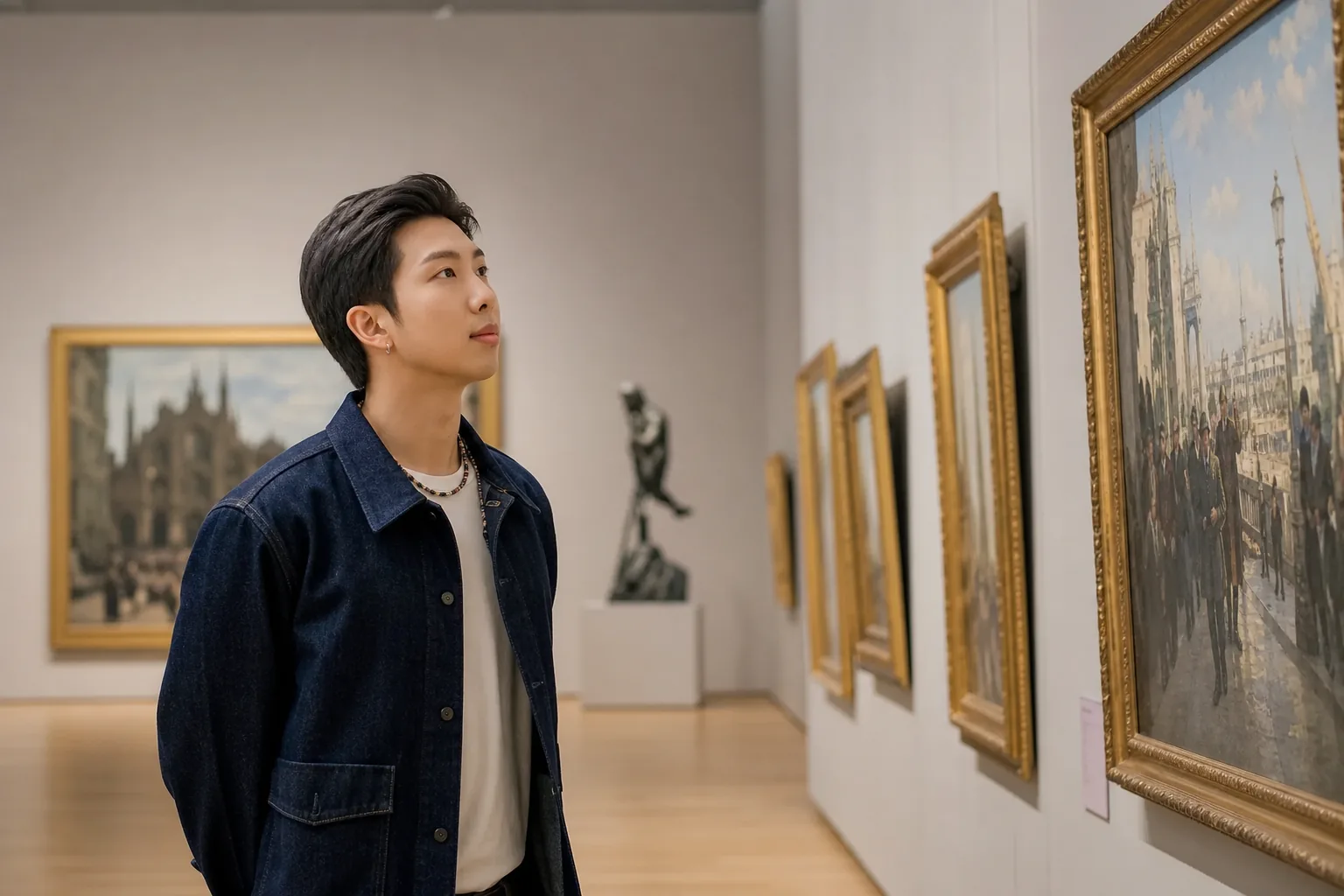
In the interview, RM connected the feeling to formative moments from earlier in his career. He recalled the impact of literature, including the novel Demian, which fans often associate with themes that appeared during BTS’s Wings era. He also spoke about encountering fashion in Seoul around the mid-2010s, remembering how entering a store and seeing the work of designer Rick Owens left an impression even though he could not afford the pieces at the time.
That detail gave the discussion a grounded quality. Rather than framing art as something distant or decorative, RM described it as something encountered in ordinary life: a book read at the right age, a store visited before fame fully changed his circumstances, or an image that arrives before a person can explain why it matters. His account suggested that creative influence can begin well before it becomes visible in an artist’s public work.
Why Fans Responded Strongly
After clips and excerpts from the interview circulated online, many fans reacted with curiosity. Some said they had not previously heard of Stendhal syndrome, while others connected RM’s comments to earlier discussions about his museum visits and reading habits. The response quickly became educational as fans shared explanations of the term and revisited older moments in which RM had spoken about being affected by art.
The conversation also highlighted the unusual role RM plays in K-pop fandom culture. Idol interviews often focus on performances, album schedules, personality questions, or behind-the-scenes anecdotes. RM’s remarks moved the discussion into a more reflective space, linking pop music with literature, fashion history, and the emotional experience of looking closely at creative work.
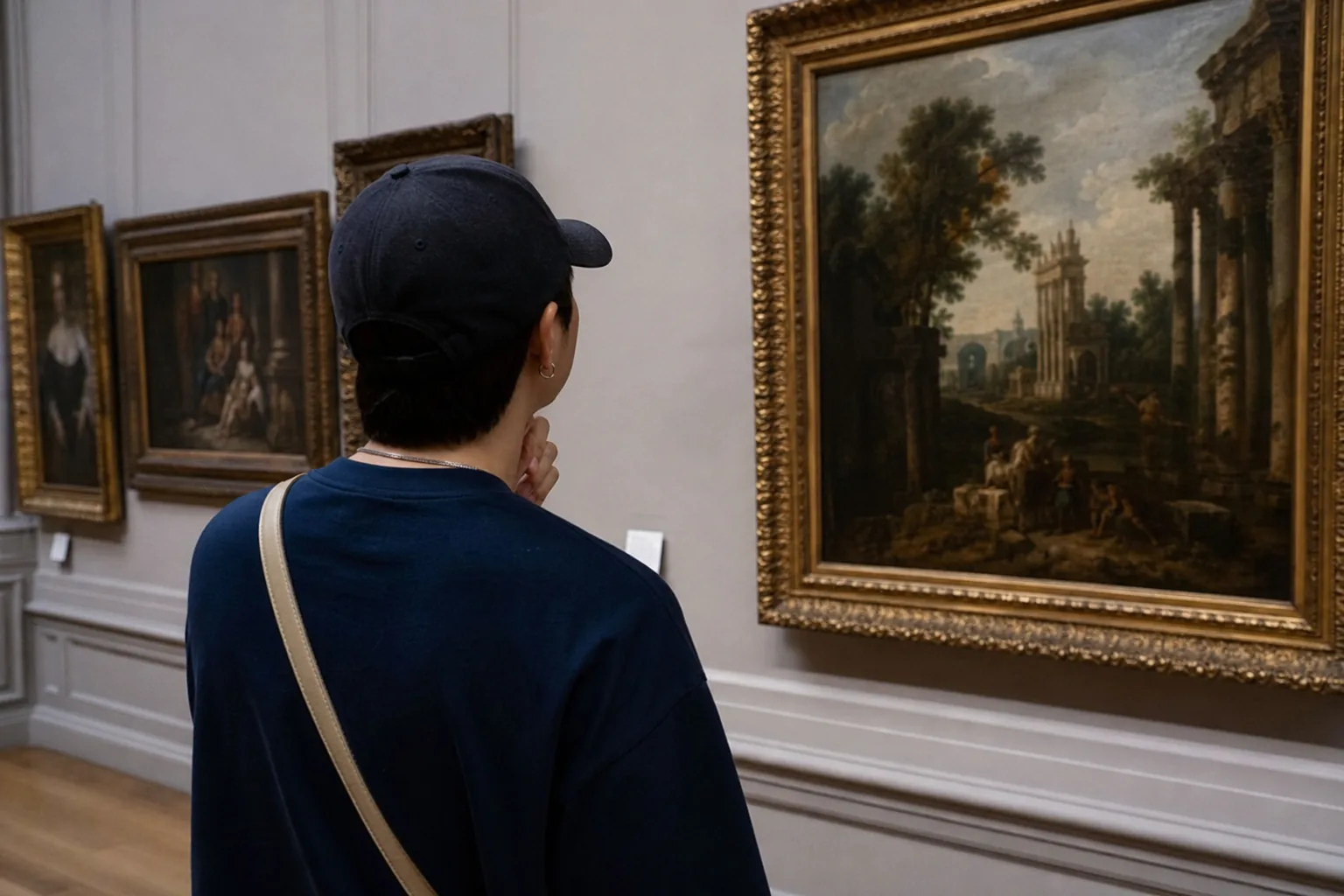
For BTS, that kind of cross-disciplinary conversation is not new. The group’s music and visual projects have often drawn on literature, mythology, psychology, contemporary art, and youth culture. RM, as one of the group’s central writers and speakers, has frequently been a bridge between those references and the audience. His latest comments gave fans another way to understand how personal encounters with art may feed into broader artistic choices.
A Personal Reflection, Not a Diagnosis
It is important to treat RM’s remarks as a personal reflection rather than a public diagnosis. Stendhal syndrome is widely discussed in cultural and psychological contexts, but it is not a phrase most people use in everyday conversation. RM’s description was less about defining a medical condition and more about naming the intensity of a response that many people recognize in softer forms: the sudden rush of emotion that can come from a painting, a song, a piece of clothing, or a line in a book.
That may be why the story spread so quickly. RM gave fans language for a feeling that can be hard to explain. His comments suggested that admiration for beauty can be more than taste or preference; it can be physical, memorable, and transformative. For an artist whose career has been built on turning private thought into public work, the idea felt especially fitting.
As BTS continues to move through a new phase of activity and individual projects, RM’s reflections underline the intellectual and emotional range that has long informed his artistry. Whether he is discussing music, museums, books, or fashion, his public voice continues to encourage fans to look more closely at the creative influences around them.



Join the Conversation
Log in to share your thoughts and join the conversation with other fans.