
SEVENTEEN Dino Solo Release Faces Plagiarism Accusations Over Trot Sound

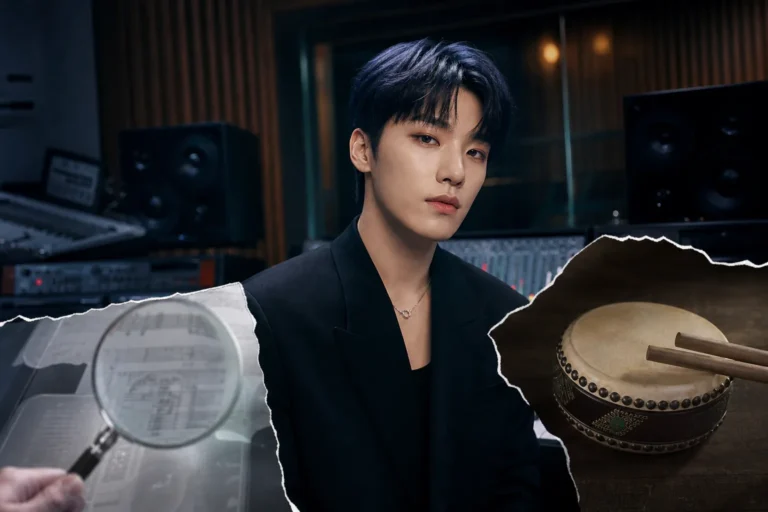
SEVENTEEN member Dino’s latest solo activity under his comic alter ego Picheolin has become the subject of a fast-moving plagiarism debate, after listeners compared the new track with a recent release by BIGBANG’s Daesung. The controversy began around the rollout of Dino’s song and music video for “Micheo Micheo”, with attention centering on whether its melody and production choices are too close to Daesung’s trot single “Hando-Chogua.”
The dispute has developed around one of K-pop’s more complicated creative questions: when does genre similarity become a more serious allegation of copying? Both songs draw from trot, a Korean popular music style known for its distinctive vocal phrasing, rhythmic bounce, and melodic turns. That shared foundation has made the debate more difficult to separate from the genre’s familiar musical vocabulary.
Why The Comparison Spread Quickly
Dino released the project through the Picheolin persona, a character-driven side of his solo work that leans into humor, performance, and exaggerated entertainment styling. The concept already set the release apart from a conventional idol solo track, but the conversation shifted after previews and clips circulated online. Listeners began placing short portions of the song beside Daesung’s recent trot release, arguing that the resemblance went beyond a general genre mood.
The core of the criticism focuses on the perceived overlap in melody, pacing, and sonic color. Some listeners say the structure sounds close enough to invite questions about creative credit or influence. Others have pushed back, arguing that trot songs can naturally share certain flourishes and rhythmic patterns because the style relies on recognizable conventions. The disagreement has kept the subject active because both positions point to a real tension in popular music: genres are built from repetition, but individual songs still need a recognizable identity.

For Dino, the discussion arrives at a sensitive moment. SEVENTEEN members have built a reputation for performance precision, self-driven artistry, and a steady stream of group and solo projects. A solo release, especially one tied to a character concept like Picheolin, gives an artist room to experiment with tone and presentation. At the same time, that visibility means any similarity to another high-profile artist’s work is likely to be dissected quickly by fans, casual listeners, and critics.
The Role Of Trot In K-Pop Experiments
Trot has a long history in Korean music, and its influence has repeatedly resurfaced in idol projects, variety-show stages, and novelty singles. Its dramatic melodic phrasing and upbeat performance style make it useful for artists who want to create something playful or instantly recognizable. Because of that, modern K-pop uses trot not only as a genre but also as a reference point for comedy, nostalgia, and public-friendly entertainment.
That context matters because Dino’s Picheolin identity appears designed to operate in a heightened, comedic register rather than as a traditional ballad or dance-pop solo persona. However, the presence of genre influence does not automatically settle the plagiarism question. A song can borrow from a style without copying a specific work, but listeners often judge similarity through the most memorable parts of a track: a hook, a repeated phrase, a rhythm, or a combination of all three.
Daesung’s name also raises the stakes. As a member of BIGBANG, he is associated with one of K-pop’s most influential second-generation groups, and his solo trot work has its own established public image. When a newer release is compared to a song from an artist with that level of recognition, the debate can quickly become bigger than the music itself. It can turn into a discussion about seniority, influence, fandom loyalty, and how much creative overlap the industry should tolerate.
No Formal Finding Has Been Announced
At this stage, the controversy remains a public-facing accusation rather than a confirmed legal or industry finding. No formal plagiarism ruling has been announced in connection with Dino’s release, and the available discussion is centered on listener comparisons and online debate. That distinction is important because plagiarism claims in music often require detailed analysis of melody, harmony, arrangement, access, and protectable expression, not only surface-level similarity.
The release may still continue to be judged by how Dino’s team responds, whether additional clarification is offered, and how the broader audience receives the full track beyond short comparison clips. For now, the episode shows how quickly K-pop conversations can move when a song lands near a familiar sound. It also underlines the creative risk of using a genre as recognizable as trot: the style can make a release memorable, but it can also make listeners more alert to echoes of songs they already know.
For SEVENTEEN fans and general K-pop listeners, the debate is likely to remain focused on the music itself until there is either a statement or a shift in public attention. The central question is not whether trot influence belongs in idol music, because it clearly has a place there. The question is whether this particular release has enough of its own musical identity to stand apart from the Daesung track now being used as the main comparison point.


Join the Conversation
Log in to share your thoughts and join the conversation with other fans.