

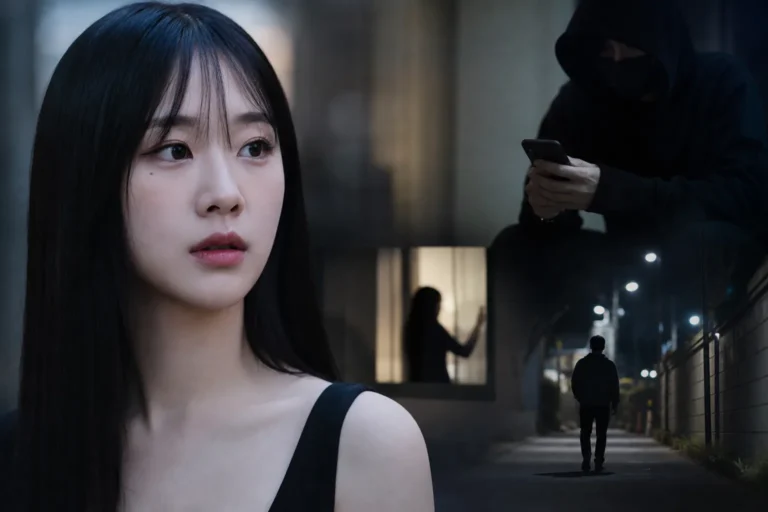
KARA member Heo Young Ji has spoken publicly about a stalking ordeal she says lasted for about seven years, describing a pattern of harassment that extended beyond her own daily life and reached members of her family. Her comments have renewed attention on the safety risks that Korean entertainers can face when obsessive fan behavior crosses into surveillance, intimidation, and contact with relatives.
Heo discussed the experience during a recent crime-themed television program that examined stalking, home intrusion, privacy violations, and related cases. The episode centered on the fear created when a person who should have no access to someone’s private life repeatedly appears in spaces connected to home, family, or work. For idols, whose careers often rely on visibility and fan closeness, those boundaries can become especially difficult to protect.
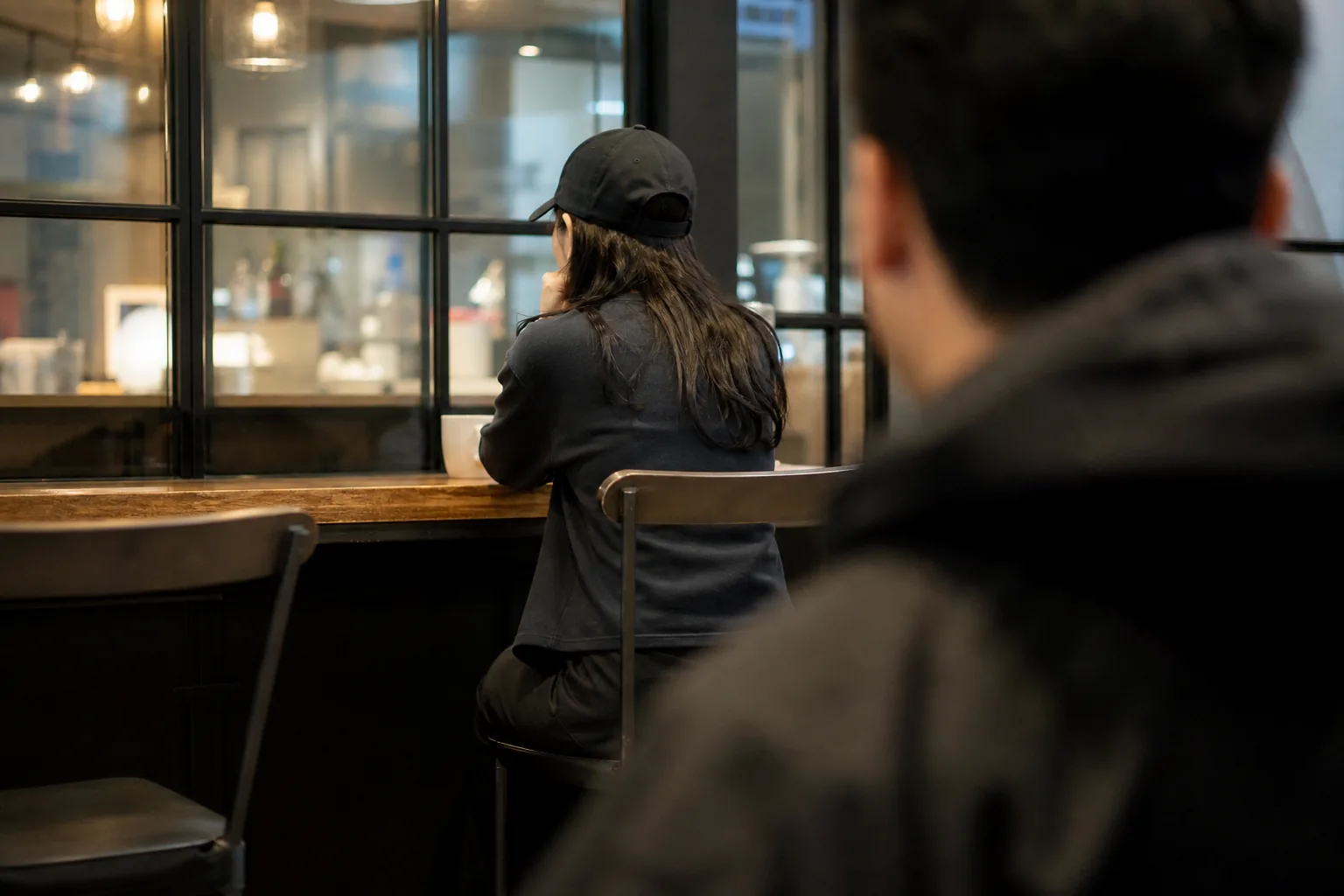
The singer said the harassment began in 2016 and continued for years. During that period, the person involved allegedly visited a cafe operated by her parents and waited there. The situation was not limited to public appearances or fan events; it moved into places connected to her family routine, making the ordeal more personal and harder to dismiss as ordinary celebrity attention.
Heo also said the person obtained private information connected to her family, including vehicle details, and contacted her parents and older sister. Those claims point to one of the most distressing aspects of stalking cases involving public figures: the harm can spread to relatives who did not choose a public career but become reachable because of the celebrity’s fame.
Family Contact Made The Situation More Serious
A key part of Heo’s account involved the way an ordinary act of kindness was allegedly misread. Her parents had once given food to the person because they believed they were dealing with a fan. Heo said the stalker later interpreted that gesture as evidence of a special connection, a misunderstanding that appeared to intensify the person’s behavior rather than calm it.
The person allegedly sent messages to other fans claiming that objections to the supposed relationship were driven by jealousy. Heo also described threatening remarks, adding to the concern surrounding the case. In 2020, she consulted a lawyer, a step that underlines how seriously she and her family had to treat the continued harassment.
Her comments arrive amid a broader conversation about sasaeng behavior, the Korean term often used for obsessive fans who violate celebrities’ privacy. While passionate fandom is a major part of K-pop’s global growth, sasaeng conduct sits outside normal support. It can include following artists to private locations, attempting to obtain personal information, contacting relatives, or trying to enter residential spaces.
Super Junior’s Kyuhyun, who appeared on the same program, also described a frightening dormitory incident from earlier in his career. He recalled that a fan once hid in a fire hose cabinet in an apartment hallway in an apparent attempt to see the door passcode when someone entered. His account placed Heo’s experience within a longer pattern of artists describing intrusions at places where they should feel secure.
Why Idol Privacy Remains A Public Safety Issue
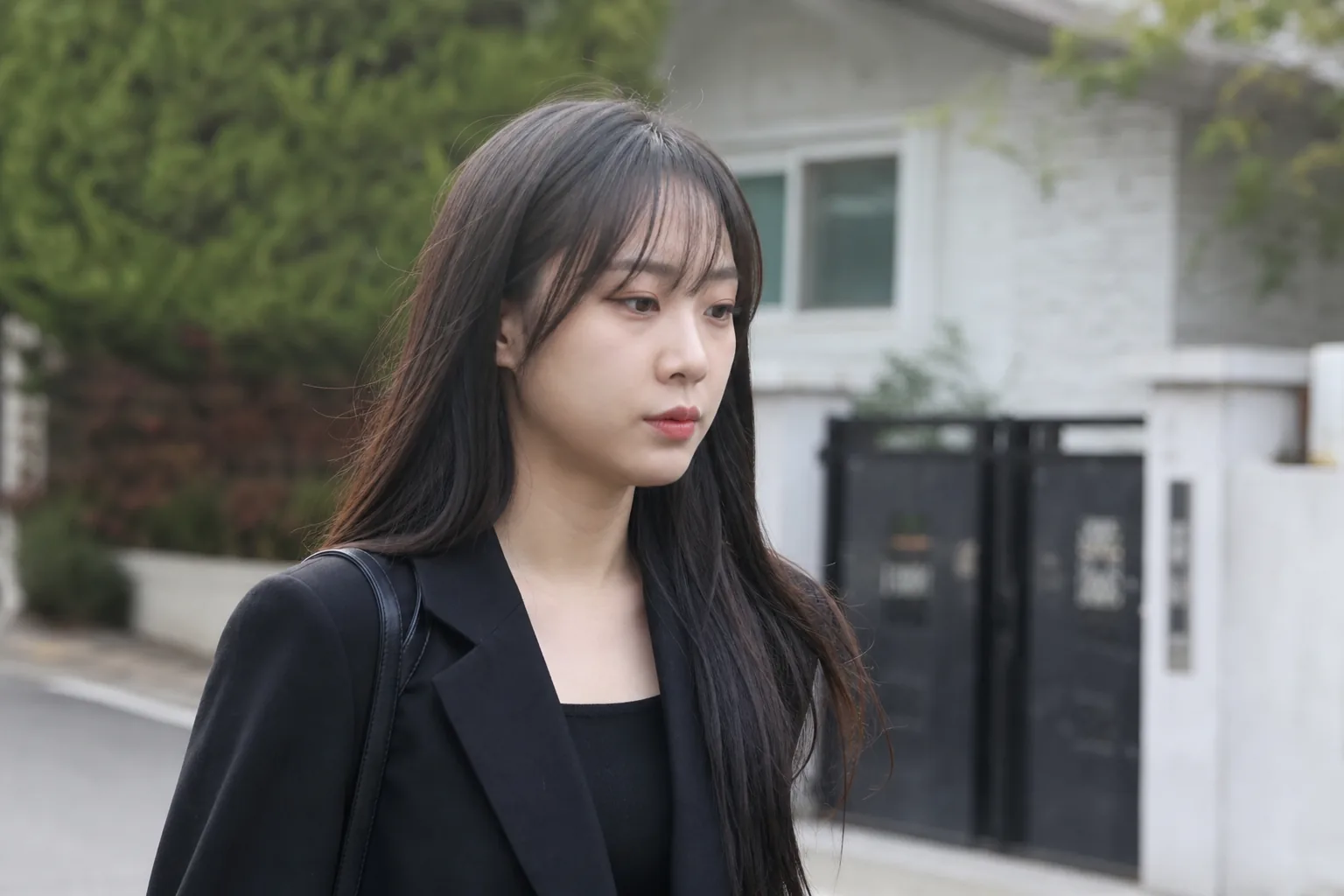
Heo’s disclosure is notable because it shifts the discussion from abstract fan misconduct to the practical consequences of prolonged harassment. A celebrity may be the direct target, but the burden can include parents, siblings, managers, neighbors, and venue staff. When private data is collected or family businesses are visited repeatedly, the issue becomes more than discomfort; it becomes a question of personal safety and legal protection.
The entertainment industry has taken stronger public stances against stalking in recent years, with agencies increasingly warning against airport crowding, unauthorized filming, leaked schedules, and visits to artists’ homes. Still, enforcement can be difficult when behavior unfolds across multiple locations and over long periods. Victims may also hesitate to speak publicly because doing so can invite further attention or speculation.
Heo’s decision to share her experience gives fans and industry observers a clearer view of how long such harassment can persist. It also highlights why boundaries around artists’ families are essential. Supporting an idol does not create a right to approach relatives, monitor vehicles, obtain private contact details, or reinterpret polite gestures as personal intimacy.
For K-pop audiences, the episode is a reminder that fandom culture depends on consent and distance as much as admiration. Public performances, broadcasts, fan meetings, and official social media give artists controlled ways to connect with supporters. Contact outside those channels, especially when it targets home spaces or family members, can quickly become harmful.
Heo Young Ji’s account does not only revisit a painful period in her career; it adds urgency to an ongoing industry challenge. As Korean entertainment continues to expand globally, stronger norms around privacy may be as important as legal remedies. The central message is straightforward: an artist’s visibility should never be treated as permission to enter their private life.
Join the Conversation
Log in to share your thoughts and join the conversation with other fans.