
Ma Dong Seok Joins ATEEZ’s Viral BAD Challenge With Playful Ma-san Pose

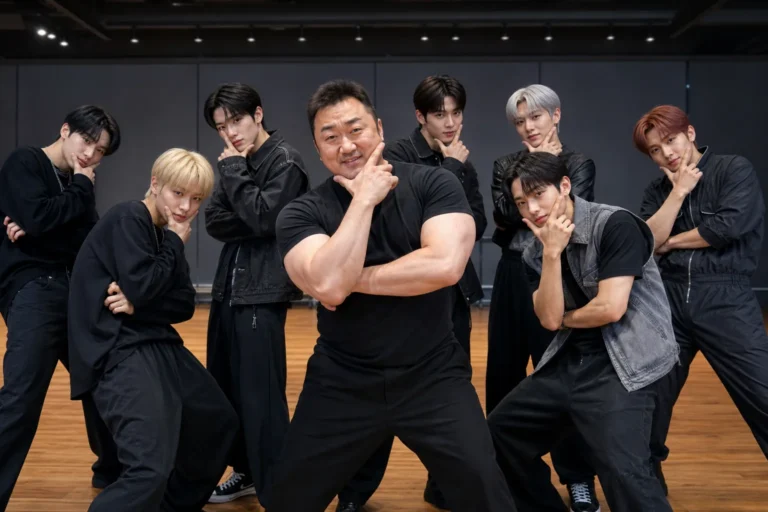
Ma Dong Seok has added an unexpected twist to ATEEZ’s viral BAD challenge, turning a short social media post into a lively crossover between Korean film and K-pop fandom. The actor, also widely known internationally as Don Lee, drew attention after sharing a playful pose inspired by ATEEZ member San, whose choreography moment from the group’s latest track has been circulating widely online.
The post was simple, but the reaction was immediate. Ma uploaded a photo to his personal social media account with the caption “Ma-san,” a joke that blended his own surname with San’s name. Fans quickly connected the image to the dance challenge, reading it as a lighthearted tribute to the idol’s now-recognizable move rather than a conventional celebrity endorsement.
The appeal of the moment came from contrast. Ma is best known for action-heavy screen roles, a commanding physical presence, and a tough-guy image built through films such as The Roundup series and other Korean box office hits. Seeing that persona folded into a nimble idol dance meme gave fans a compact, easy-to-share joke: one of Korean cinema’s most recognizable action stars was joining a K-pop trend on his own terms.
A Film Star Steps Into ATEEZ’s Viral Moment
ATEEZ’s BAD challenge had already been gaining traction because of San’s expressive performance style. Dance challenges often depend on a short movement that can be recognized in seconds, and San’s pose supplied exactly that: clear enough for fans to imitate, distinctive enough to be instantly linked back to the song, and flexible enough to be adapted by people outside the group’s immediate fan base.
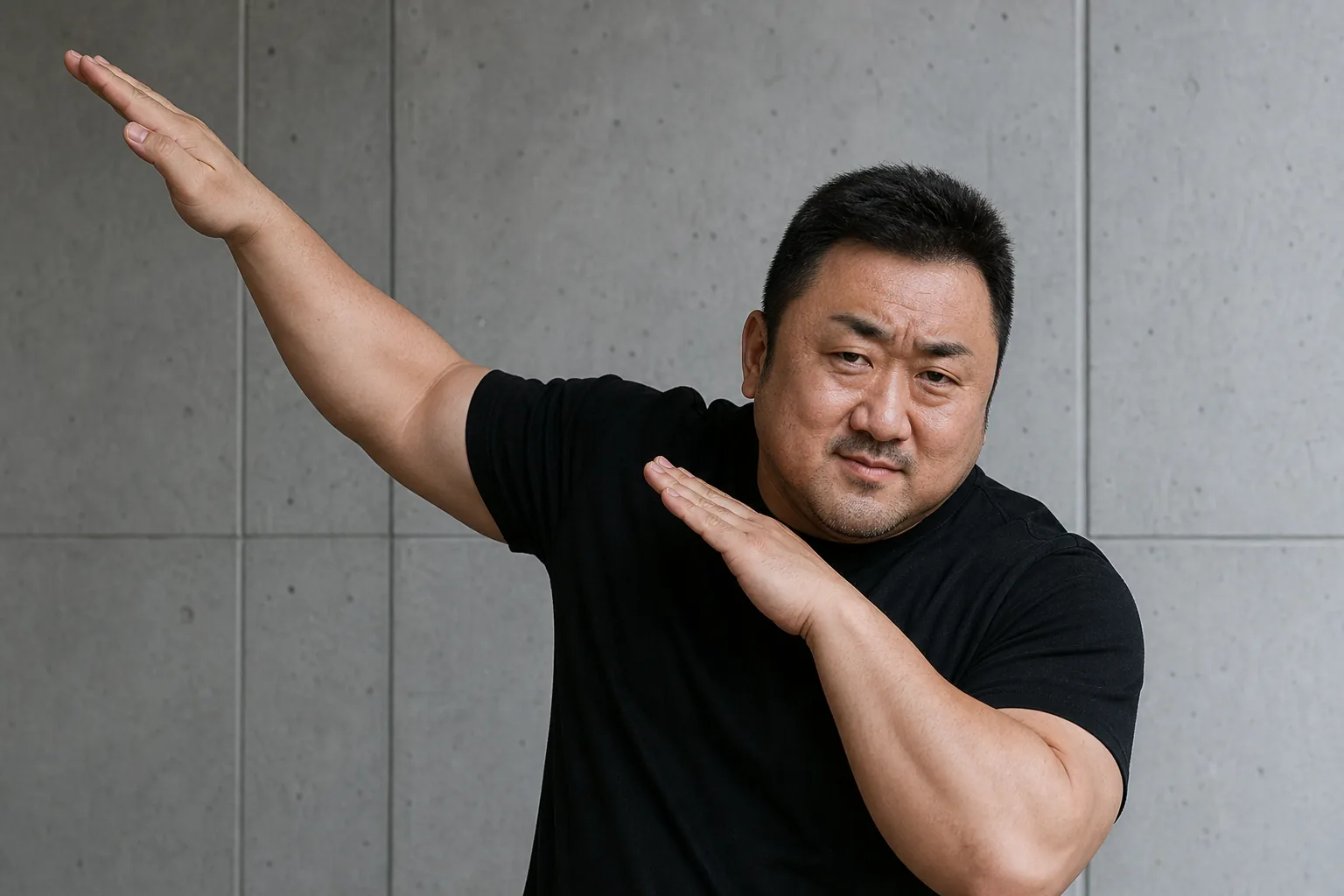
Ma’s version leaned into humor rather than technical dance accuracy. The “Ma-san” wording gave the post a built-in punchline, while the pose let him participate without changing the focus from the original choreography. That balance is part of why the photo traveled quickly among fans: it acknowledged the source, kept the tone casual, and allowed both ATEEZ supporters and film audiences to understand the joke.
The crossover also underscored how K-pop promotion now moves through a wider entertainment ecosystem. A dance challenge is no longer only a fan activity attached to a music release. It can become a shared format for actors, variety personalities, athletes, and creators, each bringing a different audience into contact with the song. When a public figure with Ma’s profile joins in, the challenge gains another route into mainstream conversation.
Why The ‘Ma-san’ Joke Landed
For ATEEZ, the moment adds another layer to the visibility around BAD. The group has built a reputation for intense performance, sharp stage presence, and a fandom that is quick to amplify memorable details. A high-profile actor’s playful nod fits neatly into that environment because it gives fans a fresh clip, image, and nickname to circulate without needing a formal collaboration.
For Ma, the post shows a different kind of celebrity fluency. Instead of treating a K-pop trend as distant youth culture, he stepped into the joke with a short caption and a recognizable pose. That approach made the interaction feel informal, which is often what helps viral entertainment moments spread. Fans tend to respond strongly when a celebrity joins a trend without making it feel overproduced.
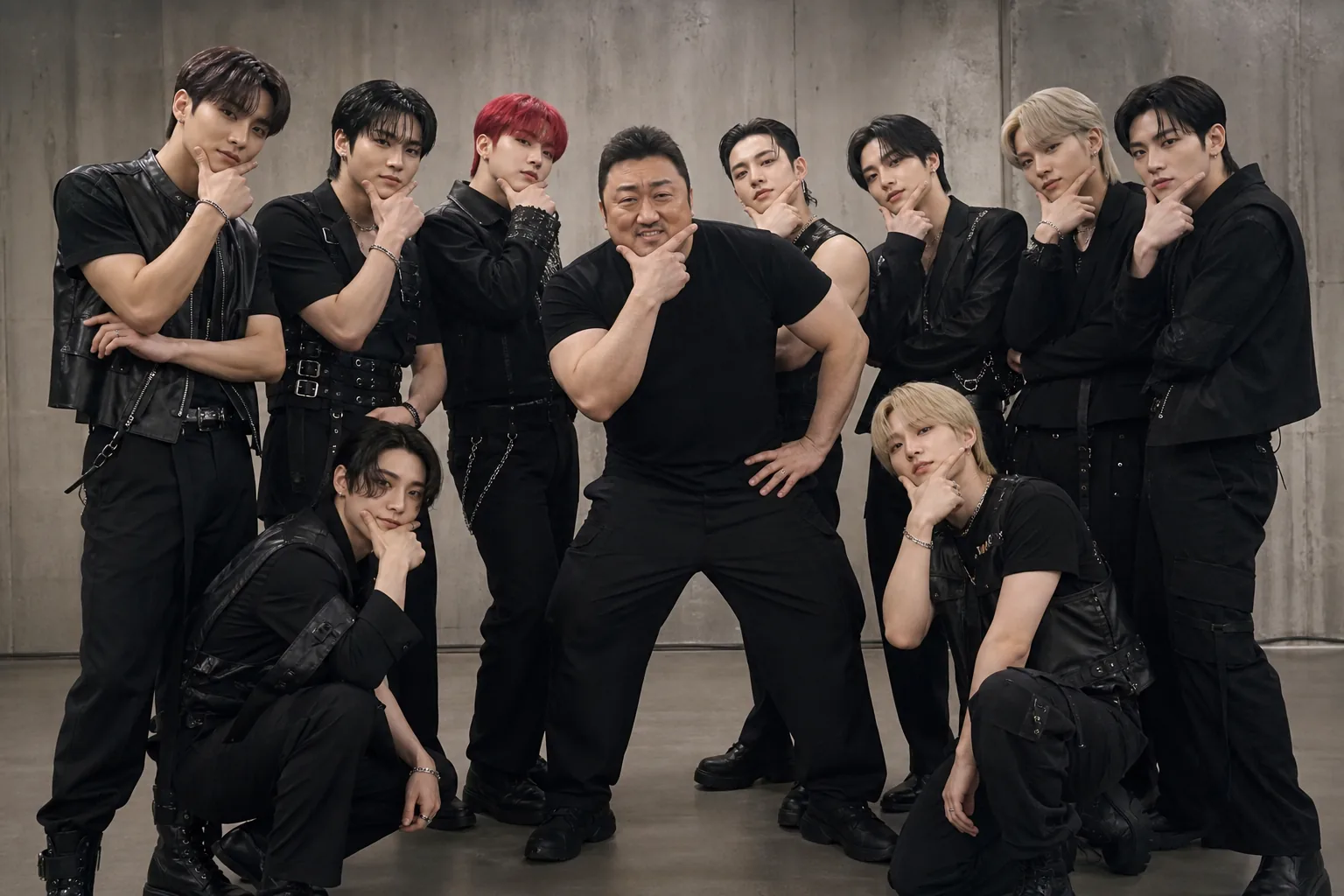
The response also reflects the growing overlap between Korean popular culture sectors. Global audiences often discover actors through streaming dramas and films while following K-pop through short-form platforms, concert clips, and challenge videos. A moment like this connects those habits. It is not a major industry announcement, but it is a useful snapshot of how Korean entertainment personalities now share the same online stage.
As the BAD challenge continues to circulate, Ma’s “Ma-san” pose is likely to remain one of its more memorable outside contributions. It works because it is brief, funny, and easy to recognize. More importantly, it shows how a single image can extend a K-pop promotion beyond music circles, turning choreography into a broader pop-culture reference point.


Join the Conversation
Log in to share your thoughts and join the conversation with other fans.