
BTS and Jung Ho Yeon Put Korean Pop Culture at Center of World Cup Spotlight

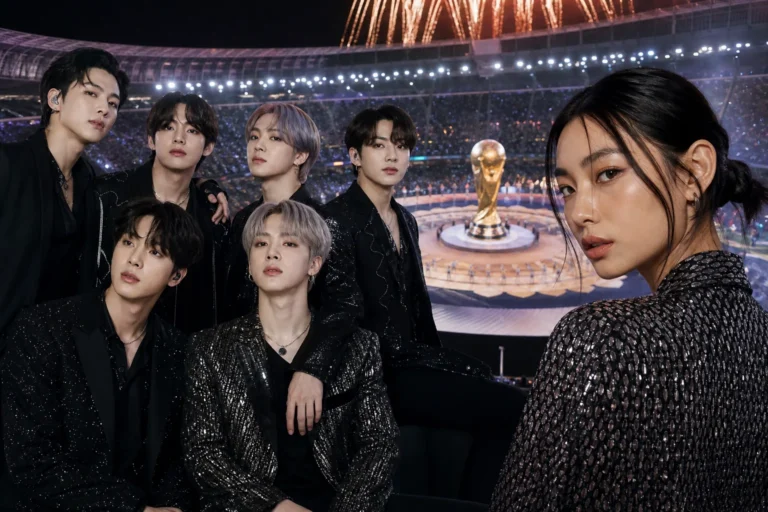
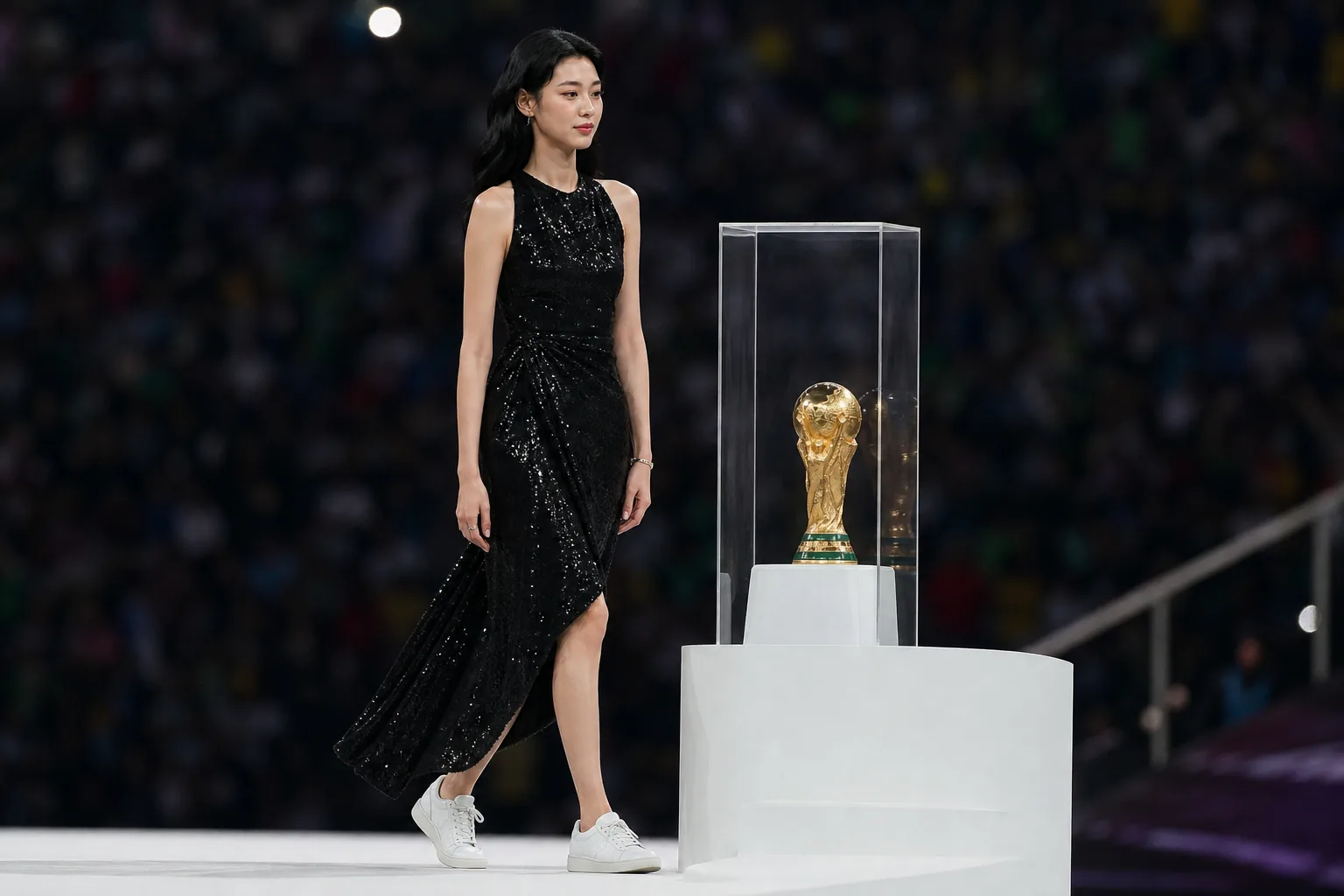
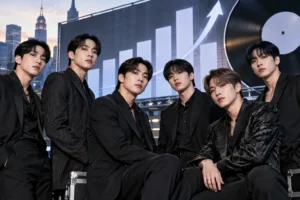
The 2026 FIFA World Cup final became more than a sports finale for many Korean entertainment fans. BTS performed during the halftime show on July 19, while actress and model Jung Ho Yeon appeared during the championship trophy ceremony as an ambassador for Louis Vuitton. Together, the appearances placed Korean pop culture directly inside one of the world’s most visible live events.
The moment carried different meanings for different audiences. For BTS fans, the halftime stage marked another high-profile global performance by the group, reinforcing how K-pop now fits naturally beside the biggest sports and entertainment broadcasts. For viewers following Korean drama, fashion, and film, Jung’s presence showed how Korean screen stars have also become familiar figures at global luxury and cultural events.
BTS Fans Question World Cup Social Media Coverage
After the halftime show, part of the conversation shifted from the performance itself to how it was presented online. Fans noticed that BTS appeared in a general highlight reel alongside other performers, but they argued that the group did not receive the same kind of individual social media treatment that other acts appeared to receive. That comparison quickly became a point of frustration across fan communities.
The reaction reflects the scale and vigilance of BTS’s global fandom. Supporters often track official accounts, broadcast edits, captions, and promotional assets closely, especially when the group is part of a major international event. In this case, the concern was not simply whether BTS appeared at the World Cup, but whether the group was given equal visibility after contributing to the halftime program.
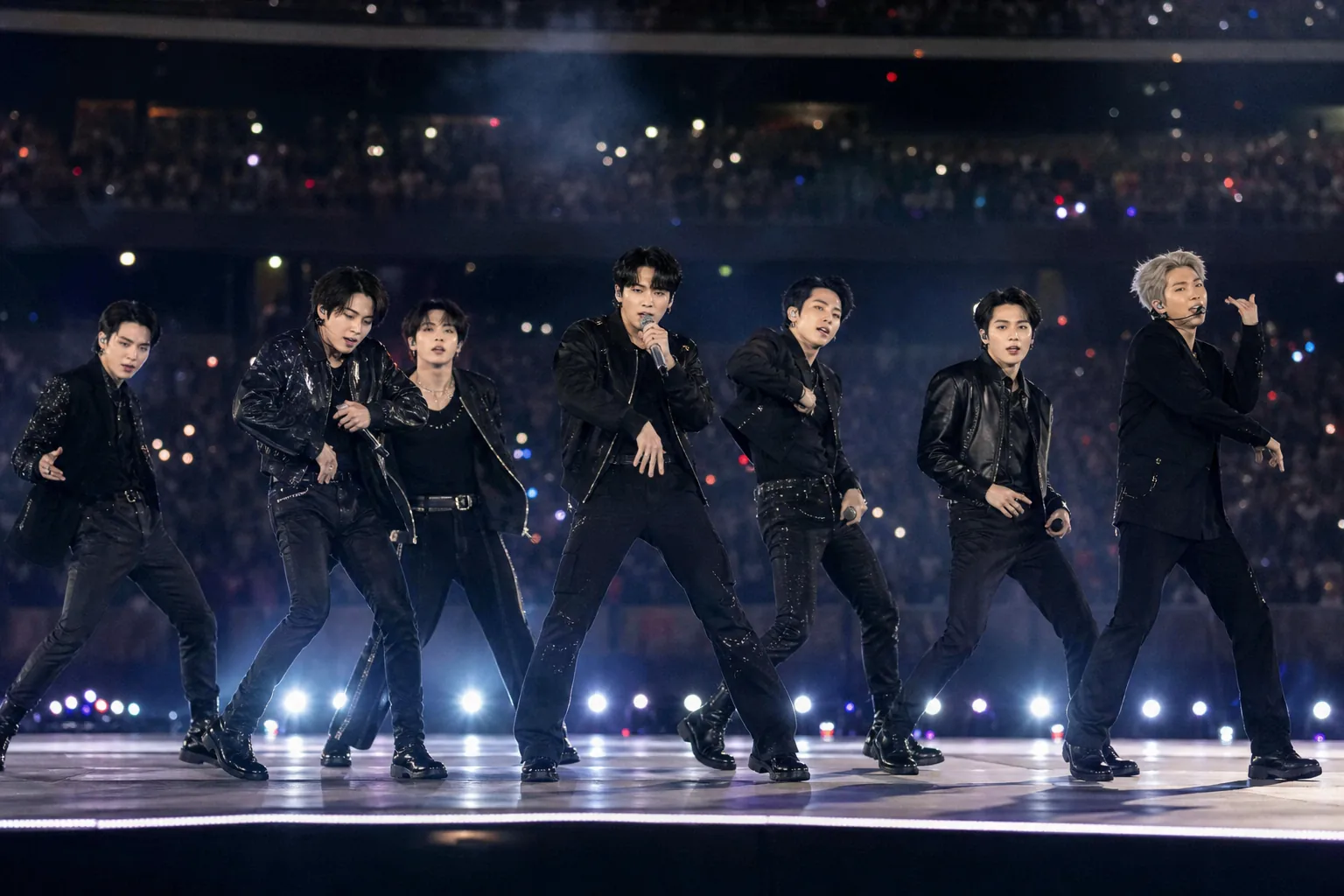
No public article needs fan speculation to recognize the broader issue: presentation matters when a global institution features artists with international audiences. BTS’s inclusion in the first World Cup final halftime-show conversation made the group part of a milestone entertainment format for the tournament. When fans perceive unequal follow-up coverage, the reaction can become part of the event’s story almost as quickly as the performance itself.
Jung Ho Yeon’s Ceremony Appearance Draws Attention
Jung Ho Yeon’s appearance created a separate but related discussion. She took part in the championship trophy ceremony in a luxury-brand ambassador role, stepping onto the global stage in a formal dress styled with sneakers instead of heels. The choice drew notice because it blended a polished ceremony look with practical comfort, a contrast that many viewers found memorable.
Online responses were divided. Some praised the styling and saw her presence as another sign of Korean entertainment’s international profile. Others questioned the fashion choice or reacted skeptically to seeing a Korean actress take such a visible role at a football event. The split response underlined how celebrity appearances at major sports ceremonies can invite both admiration and scrutiny, especially when the figure comes from outside the sport itself.
Jung’s profile has remained tied to a wider Korean-content boom. Her global recognition rose sharply through screen work, and she has continued to build visibility across film, fashion, and brand events. A World Cup trophy ceremony is not a conventional entertainment promotion, but that is precisely why the appearance stood out: it showed how Korean celebrities are now being placed in spaces that once felt far removed from K-drama or K-pop culture.
A Wider Korean Entertainment Moment
Taken together, the BTS performance and Jung Ho Yeon ceremony appearance point to a larger shift in how Korean entertainment travels. K-pop groups, actors, fashion ambassadors, and film talents are increasingly part of global events that are not built primarily around Korean culture. Their presence now functions as a draw for fans, a signal for brands, and a source of conversation across social platforms.
That visibility also brings higher expectations. Fans expect fair recognition, polished presentation, and careful handling from official event channels. Viewers who are less familiar with Korean entertainment may question why these stars are appearing in sports settings at all. Both responses show that Korean pop culture is no longer operating at the edges of global live events; it is visible enough to shape the discussion around them.
The World Cup final offered a compact example of that new reality. A K-pop performance became a debate over institutional recognition, and a Korean actress’s trophy-ceremony role became a conversation about fashion, celebrity, and cultural reach. Whether praised or criticized, both moments kept Korean entertainment in the center of the post-final conversation.
Join the Conversation
Log in to share your thoughts and join the conversation with other fans.