
BTS Caps 2026 World Cup Final as K-Pop Frames Tournament’s Biggest Stages

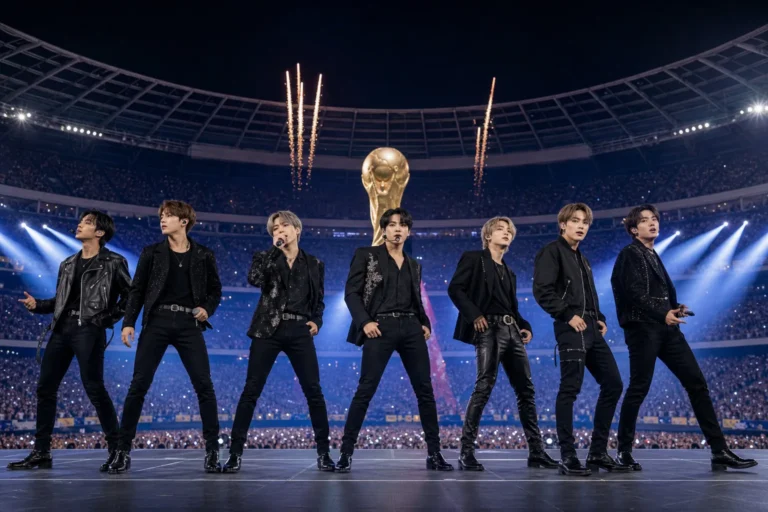
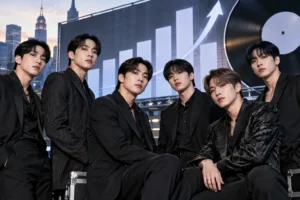
BTS helped close the 2026 FIFA World Cup with a halftime performance at the final, turning one of global sport’s largest stages into another marker of K-pop’s expanding role in live international entertainment.
The group appeared at the World Cup final held at New York New Jersey Stadium on July 20, joining a program that KBS described as the tournament’s first final halftime show. The performance came after the first half of the match and placed BTS alongside other high-profile figures from music and football, including Madonna and Brazilian football legends Ronaldo and Ronaldinho.
According to KBS, BTS performed Dynamite, the 2020 English-language single that became the group’s first Billboard Hot 100 No. 1. The staging was tailored to the occasion: one lyric reference was changed from table tennis to football, a small but pointed adjustment that underlined the setting and gave the familiar song a World Cup-specific frame.
The moment was not simply another celebrity appearance at a sporting event. It arrived at the end of a tournament in which Korean pop culture had been visible from the start. KBS noted that K-pop-related performers appeared at both opening events and the final, with BLACKPINK’s Lisa taking part in the U.S. opening program and EJAE, associated with the hit KPop Demon Hunters song Golden, performing at the Mexico opening event.
K-pop Becomes Part of the Tournament Narrative
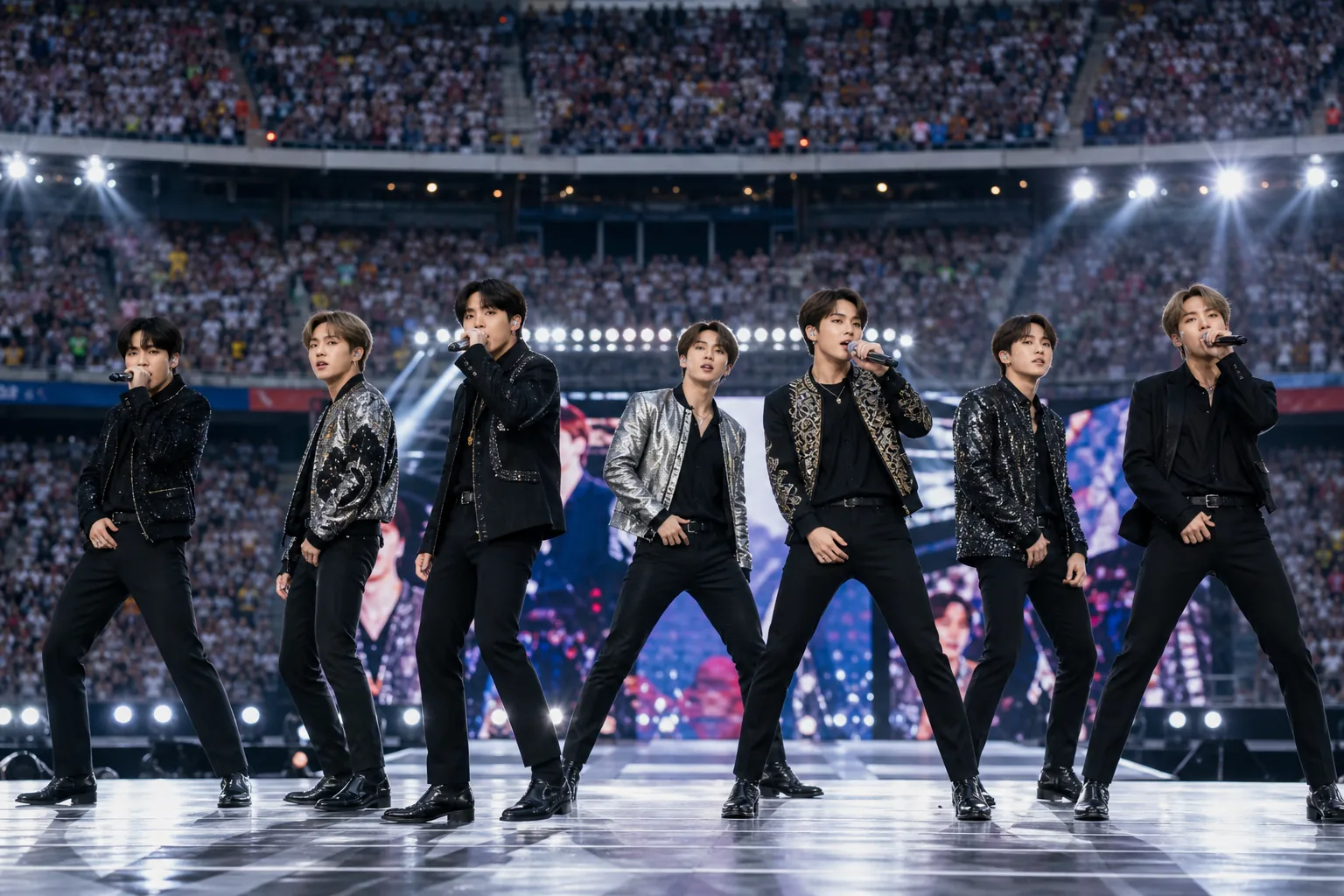
For BTS, the final offered a rare kind of audience: football fans in the stadium, television viewers around the world, and K-pop listeners following the event through social platforms at the same time. Fans who could not enter the stadium gathered at outdoor viewing areas, where KBS reported that some attendees openly said they had come because of BTS rather than the match itself.
That split audience matters. A World Cup final is designed around football first, but its broadcast and surrounding spectacle increasingly operate like a global cultural package. By placing BTS into the halftime slot, organizers connected the tournament to a fan base that already moves easily across languages, countries, and platforms. The result was a performance that served both as entertainment for football viewers and as a cultural event for K-pop followers.
The final also showed how Korean entertainment now functions beyond the traditional boundaries of the music industry. K-pop acts have long appeared at awards shows, fashion events, streaming campaigns, and brand launches, but the World Cup offers a different scale. It is one of the few events capable of putting pop performance in front of an audience that may include casual viewers, national-team supporters, and fans who would not normally seek out a K-pop stage.
Why the World Cup Stage Matters
KBS framed the 2026 tournament as one in which K-pop decorated both the opening and closing chapters. That framing is important because it suggests continuity rather than a single booking. The appearances of Lisa, EJAE, and BTS gave the event a recurring Korean pop presence, making K-pop part of the tournament’s entertainment identity rather than a standalone guest moment.
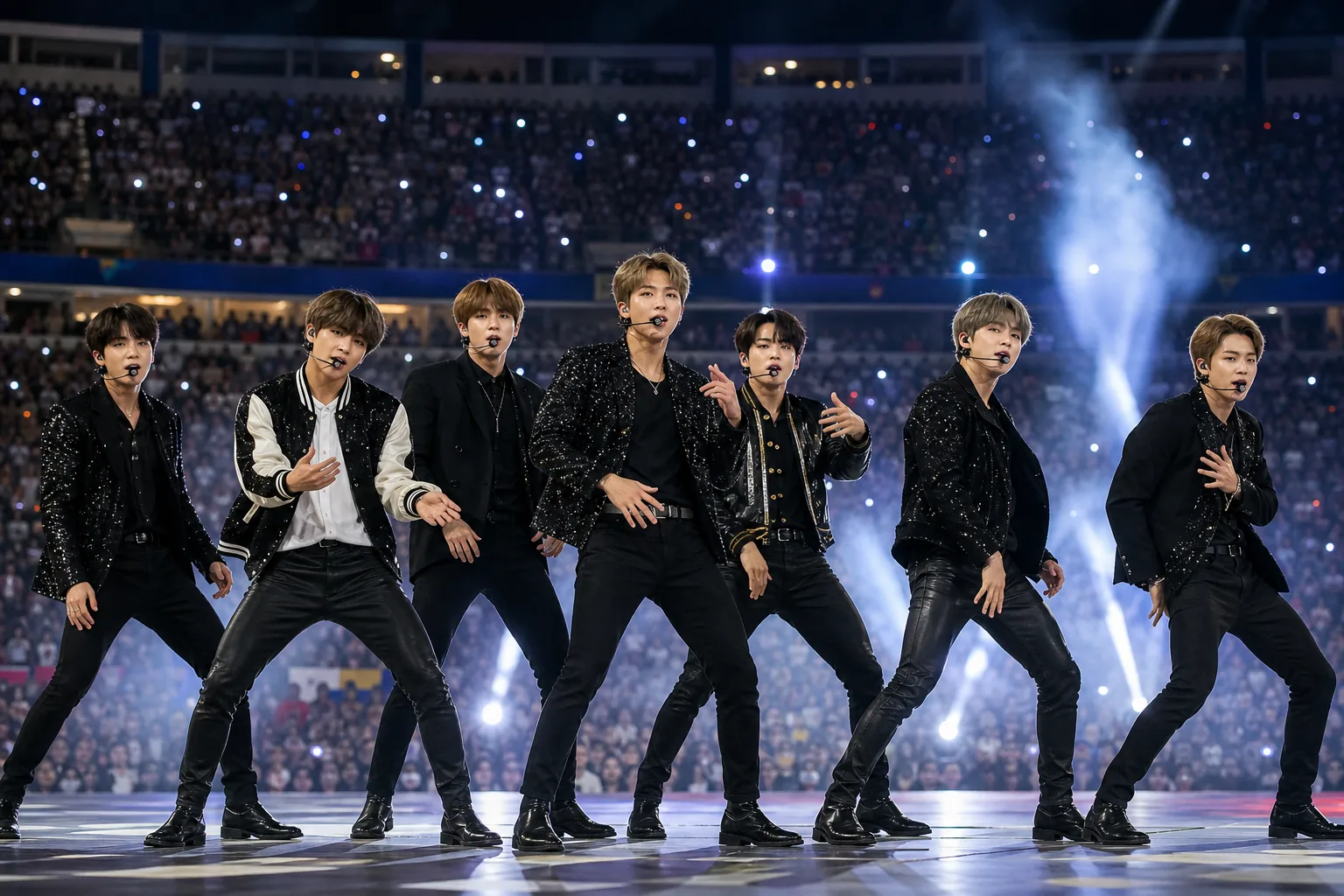
The performance also came with timing that may benefit BTS’s own live schedule. KBS reported that the group is due to hold world tour concerts at the same New York New Jersey Stadium in early August, with crowds expected to exceed 80,000. A World Cup final appearance in the same venue gave the stadium audience and global broadcast viewers a preview of BTS as a large-scale live act in that setting.
For the wider Korean entertainment business, the symbolism is clear. K-pop is no longer being introduced to global institutions as a niche export or a novelty guest genre. It is increasingly being programmed as a reliable part of major-event spectacle, capable of delivering instantly recognizable songs, disciplined staging, and an audience that follows performances in real time across multiple media channels.
There are still questions about how sports audiences respond to pop-driven halftime formats, especially at tournaments with deep traditions and intense national stakes. But BTS’s appearance made clear that the World Cup final is no longer limited to football ceremony alone. In 2026, its closing stage also became a snapshot of how Korean pop culture continues to occupy the center of global live entertainment.

Join the Conversation
Log in to share your thoughts and join the conversation with other fans.