


Lee Sora has returned to a television music stage with new material, marking a meaningful moment for one of Korea’s most distinctive veteran vocalists. The singer appeared on KBS2’s The Seasons – Sung Si Kyung’s Ear Candy, where she introduced her latest single, “I’ll Forget Your Face,” and reminded viewers why her restrained, emotionally direct style still carries unusual weight in Korean popular music.
The appearance, aired as part of the July 17 episode, was significant because it was described as her first live broadcast performance of a new song in seven years. For longtime listeners, the stage was less about spectacle than presence: a rare chance to hear Lee place a newly released song into the intimate setting of a music talk program, in front of an audience primed for close listening rather than high-volume promotion.
Lee Sora’s reputation has long rested on interpretation as much as range. Her performances often favor tension, space, and conversational phrasing, which can make even a brief television appearance feel like a larger musical event. On The Seasons, that reputation shaped the mood of the segment, with the comeback presented as a careful return rather than a routine promotional stop.
A New Song After a Long Wait
“I’ll Forget Your Face” drew additional interest because the song was composed by JANNABI, the band known for a retro-leaning sound and melodic songwriting. Lee explained during the broadcast that she was attracted to the melody and approached the track with care. According to the source report, she received the song in March, wrote the lyrics in May, and completed recording without needing many takes.
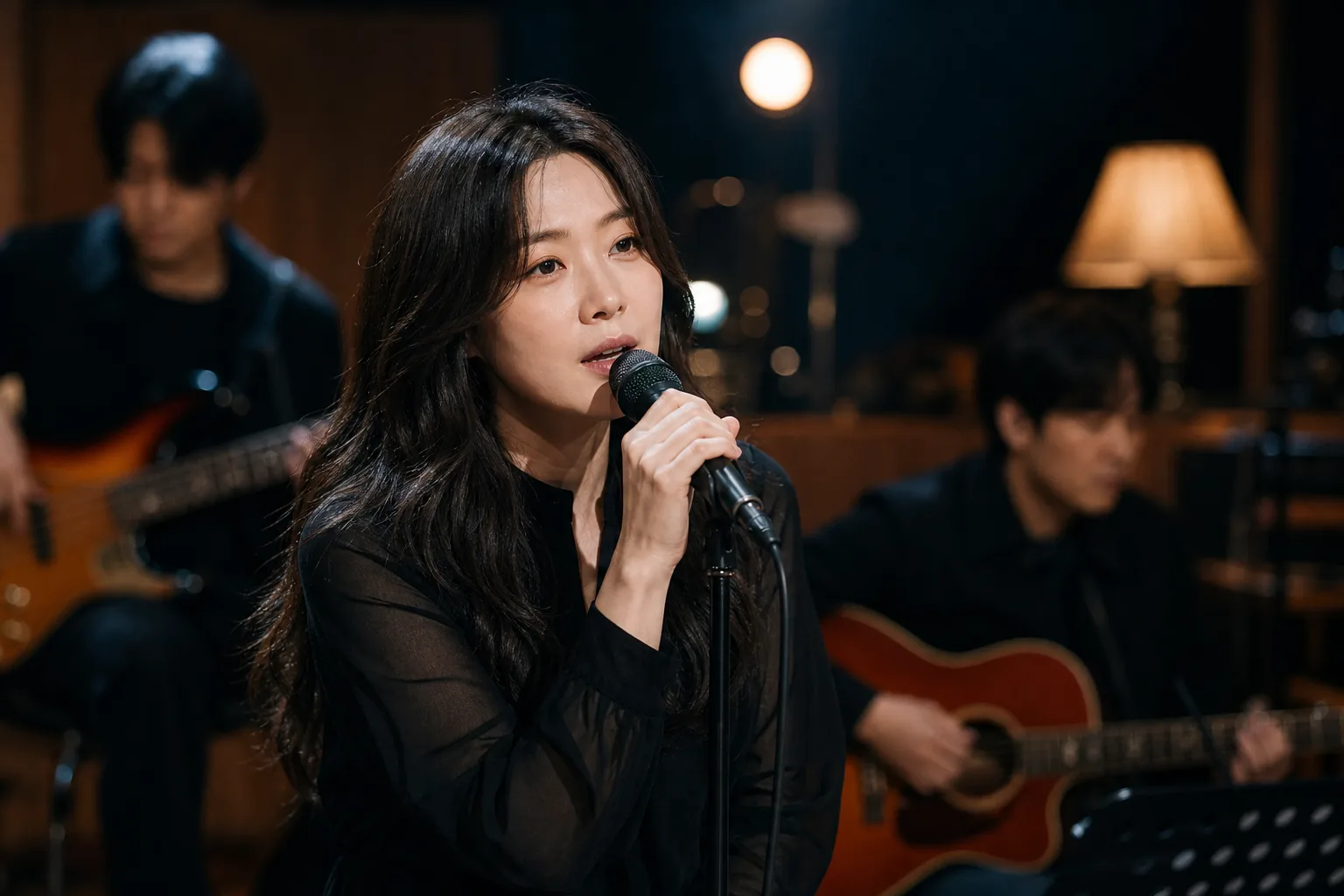
That timeline matters because it frames the single as a considered project rather than a sudden comeback vehicle. Lee Sora has never been an artist whose appeal depends on constant visibility. Instead, her public appearances tend to gain attention precisely because they are selective, and this stage fit that pattern: a new song, a respected composer, and a setting built around live singing and conversation.
After performing the new single, Lee continued the emotional arc of the episode with “To You Who Do Not Love Me,” one of the songs closely associated with her career. The pairing gave the broadcast a bridge between present and past, allowing viewers to hear how her new material sits beside the older work that helped define her status among Korean vocalists.
Humor and Candor on The Seasons
The segment was not only a vocal showcase. In conversation with host Sung Si Kyung, Lee spoke candidly about returning to television after a long break and admitted that she often feels embarrassed watching her own performances. This time, however, she said she watched because she wanted to see how viewers reacted, a small detail that made the comeback feel more personal.
Lee also discussed her recent stint as a special DJ on MBC radio’s Two O’Clock Date, saying that speaking with listeners felt comfortable and meaningful. Her comments pointed to a broader through line in her career: whether singing or talking on air, she appears most interested in voice as a source of comfort rather than as a display of celebrity polish.
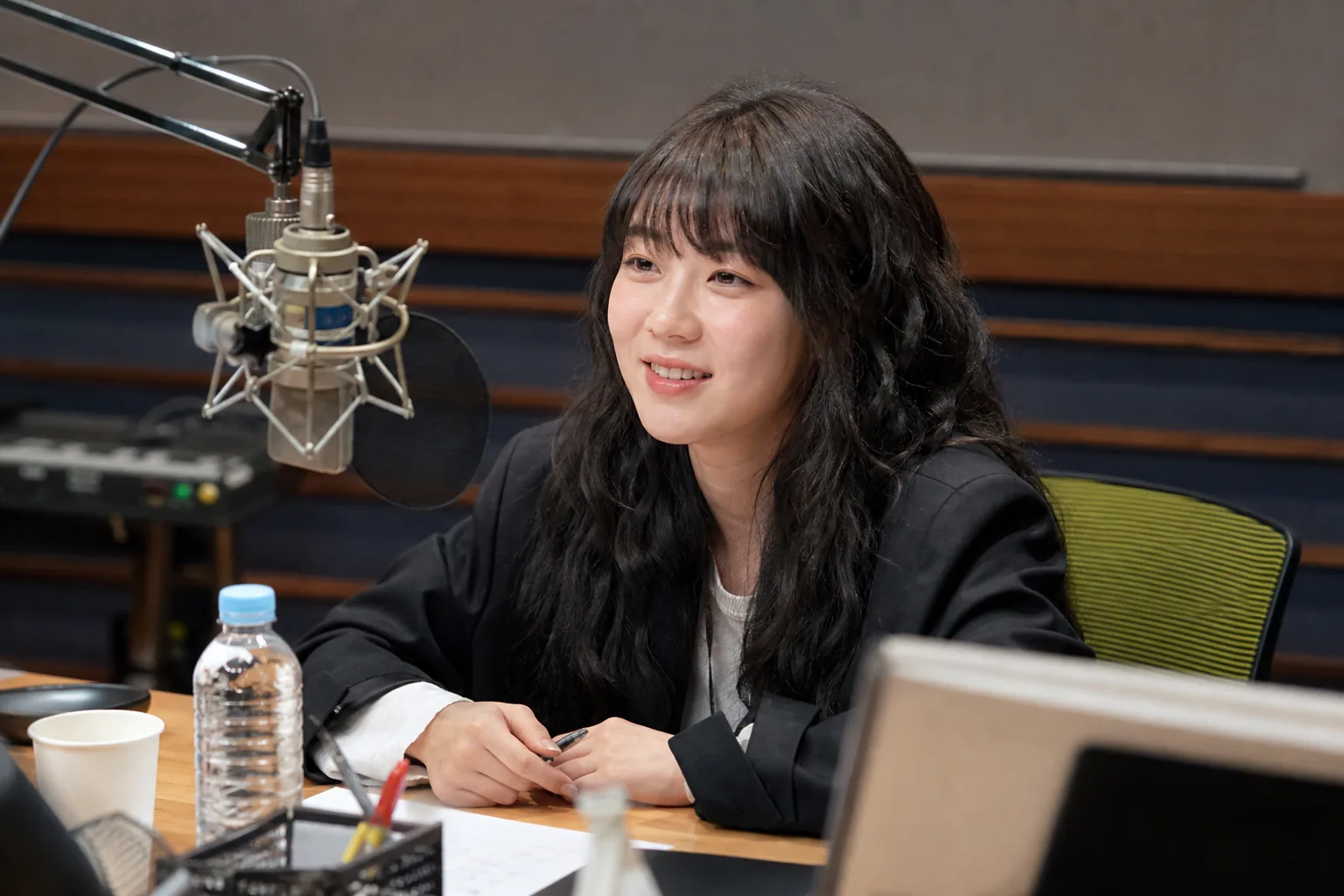
The episode also showed her dry sense of humor. One moment that drew attention involved Lee explaining an earlier comparison she had made between Sung Si Kyung’s face and a “sink countertop.” She clarified that she had intended to describe a smooth impression, like marble or porcelain, but the phrase came out in her typically blunt style. The exchange gave the broadcast an easy warmth and balanced the heavier mood of the performances.
JANNABI Connection Adds Another Layer
JANNABI’s involvement gave the comeback a generational link. The band prepared a surprise video message expressing admiration for Lee, and she responded by performing JANNABI’s “She” in her own style. The moment underlined how Lee’s influence travels across different corners of Korean music: not through trends, but through a vocal identity younger musicians continue to recognize.
For fans, the performance of “She” also worked as a quiet answer to the question of why this comeback stage resonated. Lee Sora did not need to reinvent herself for television. Instead, she absorbed a song associated with another act and reshaped it through her phrasing, showing the interpretive strength that has kept her work relevant even during long gaps between major public stages.
The broadcast arrives at a time when Korean music programming is often dominated by rapid comeback cycles, viral clips, and high-concept visual campaigns. Lee’s appearance moved at a different pace. Its news value came from scarcity, history, and craft: a veteran singer presenting new music after years away from that kind of stage, while speaking plainly about nerves, reactions, and the comfort she hopes her voice can still provide.
Whether “I’ll Forget Your Face” leads to more frequent broadcast activity remains unclear. What the The Seasons episode made clear is that Lee Sora can still turn a single appearance into a wider conversation about musicianship, memory, and the continuing role of live vocal performance in Korean entertainment.

Join the Conversation
Log in to share your thoughts and join the conversation with other fans.