

BTS joined a star-studded World Cup final halftime show that highlighted K-pop’s global reach while drawing debate over football’s first extended final intermission.
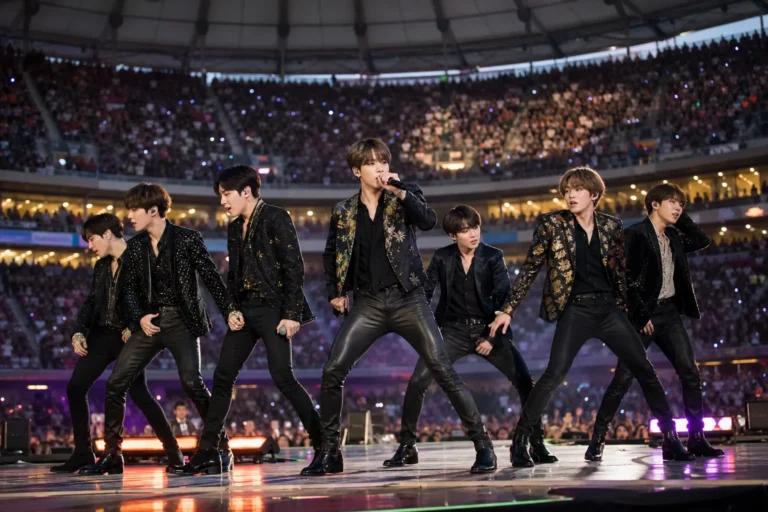
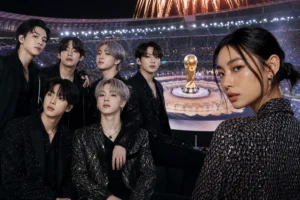
BTS helped bring K-pop into one of football’s most visible spaces on Sunday, July 19, when the group appeared as part of the first halftime show staged during a FIFA World Cup final. The performance at MetLife Stadium in East Rutherford, New Jersey, placed the Korean act alongside global pop names including Madonna, Shakira and Justin Bieber, turning the Spain-Argentina final into a test case for how far tournament organizers can blend sport, music and mass entertainment.
The appearance was not an isolated moment. From the opening fixtures of the 2026 World Cup in Mexico, the United States and Canada to the final in New Jersey, Korean popular culture had been woven into the tournament’s ceremonial program. Yonhap News Agency reported before the final that singer EJAE performed the official song DNA with Andrea Bocelli at the Mexico City opening event, including Korean-language lyrics, while BLACKPINK’s Lisa appeared at a Los Angeles opening match with the soundtrack song GOALS.
That sequence gave the tournament an unusually strong K-pop throughline. A World Cup is still defined by national teams and matches, but the entertainment around it has become a separate global broadcast product. For K-pop, which already depends on fast international circulation through video, streaming platforms and fan communities, the World Cup offered a stage that reaches viewers who may not follow Korean music closely.
K-pop’s tournament-wide visibility
Yonhap framed the lineup as evidence of K-culture’s rising status at global events. The agency cited cultural critic Kim Heon-sik, who argued that K-pop’s presence at the World Cup reflects its appeal to younger audiences and its ability to draw new viewers into football. That assessment helps explain why FIFA would place Korean artists at multiple points in the tournament rather than treating them as a single guest booking.
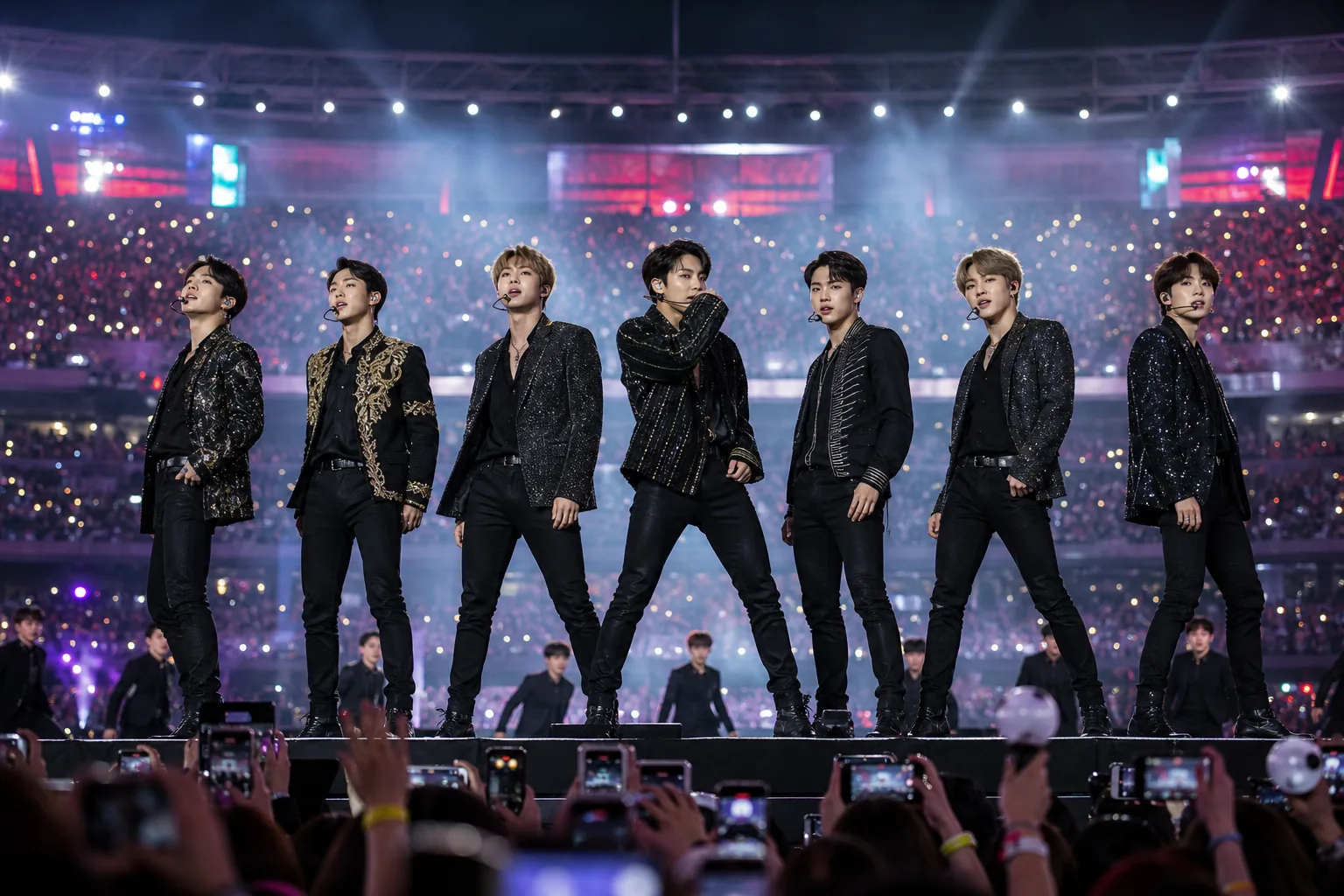
BTS’s role carried particular symbolic weight. Jungkook had previously performed Dreamers at the 2022 Qatar World Cup opening ceremony, giving the group a direct connection to football’s biggest stage even before the members reunited for this final-era appearance. This time, BTS appeared not as a solo-linked act but as part of the headline entertainment package closing the tournament, strengthening the association between K-pop and large-scale sports spectacles.
The final also showed the risks of importing a Super Bowl-style format into football. According to talkSPORT, the interval from the end of the first half to the start of the second lasted 27 minutes and 24 seconds, far longer than a standard football halftime and longer than the 17-minute window the outlet reported had been expected. The extended break became one of the night’s central talking points, separate from the individual performances.
A milestone with mixed reactions
Audience reaction split between those who saw the show as a landmark entertainment moment and those who felt it disrupted the match. talkSPORT reported that former England players Stuart Pearce and Wayne Rooney were unimpressed during broadcast coverage, with Rooney delivering an especially blunt verdict on the halftime production. Their criticism centered less on any one artist than on whether the World Cup final should pause for an extended concert-style presentation.
That tension matters because it will shape how future football events use pop acts. For FIFA and partners, a halftime show can create sponsorship value, social media clips and global music moments beyond the game itself. For traditional football audiences, however, the final is already the event, and a long break can feel like a distraction from the competitive rhythm that gives the match its importance.
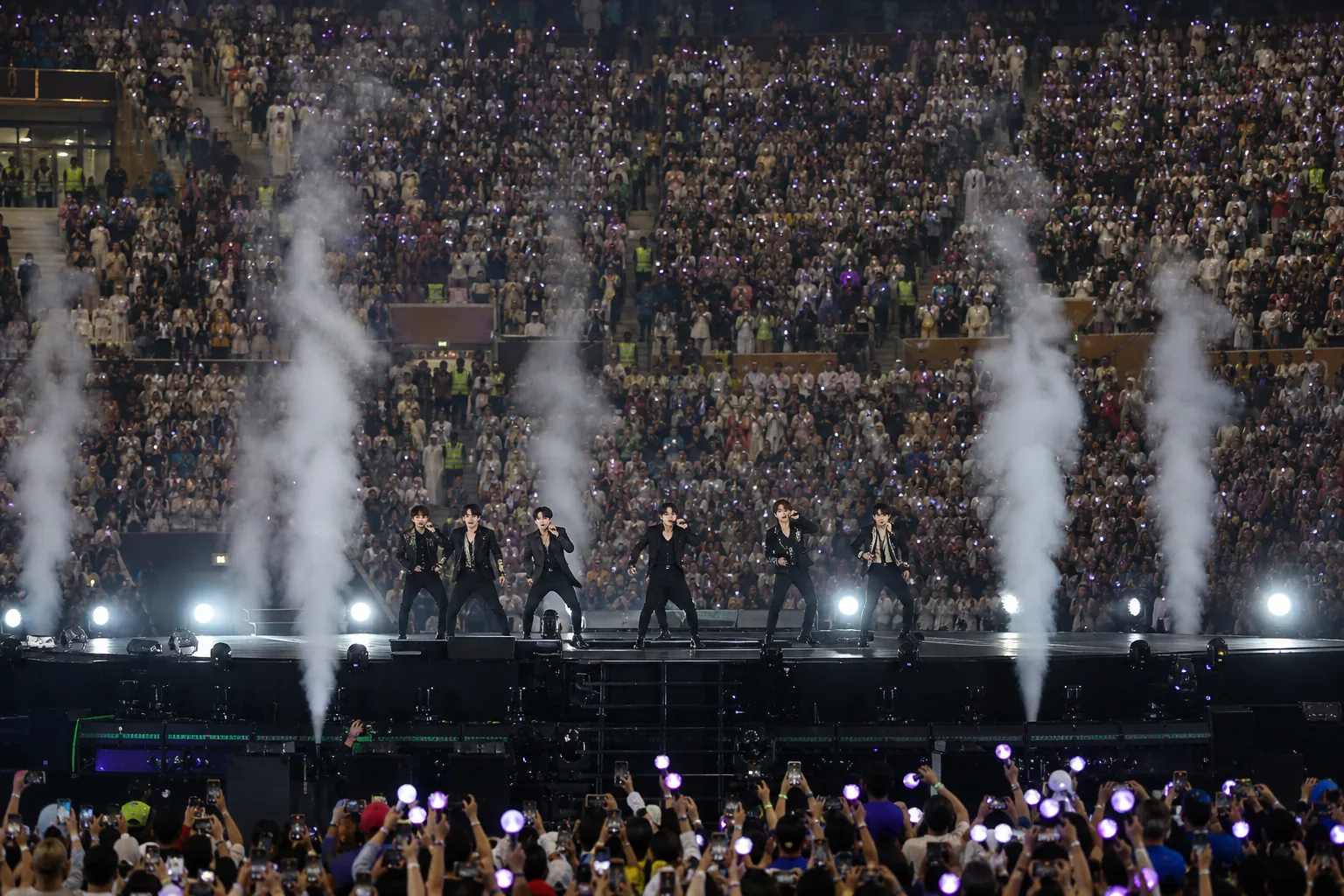
For BTS and K-pop more broadly, the takeaway is still significant. The group appeared in a lineup designed for the largest possible international audience, after a tournament that had already featured Korean artists at major ceremonial points. Even when the format drew debate, the booking confirmed that K-pop is now treated as a mainstream global entertainment language rather than a niche regional export.
The next question is whether organizers refine the balance. A shorter format, clearer timing and a presentation built around the flow of the match could make future halftime shows less divisive. But the 2026 final has already established one fact: when football tried its biggest experiment with mid-match entertainment, K-pop was not on the margins. It was at the center of the stage.

Join the Conversation
Log in to share your thoughts and join the conversation with other fans.