
Super Junior and BIGBANG Members Revisit Agency-Driven Rivalry in Second-Generation K-Pop

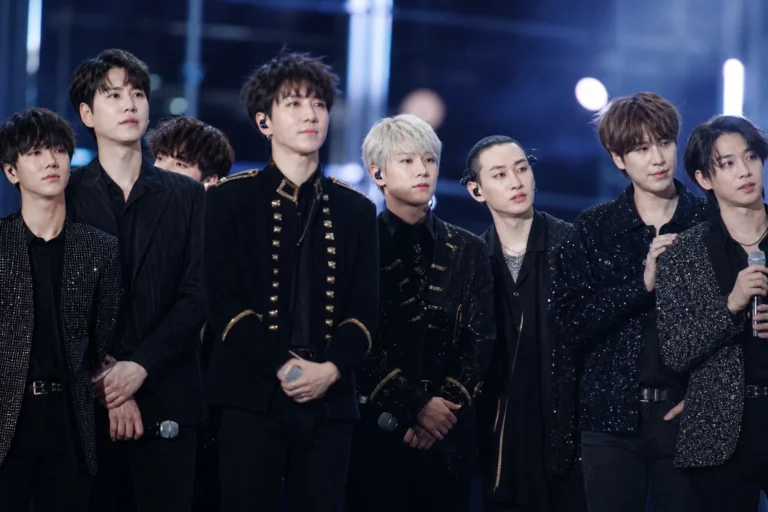
Super Junior members Leeteuk and Heechul have offered a candid look back at one of K-pop’s most competitive eras, describing a music industry in which agency pressure often shaped how idol groups viewed one another. Their comments came during a July 17 appearance with BIGBANG’s Daesung on the YouTube channel ZIP DAESUNG, where the three artists reflected on the atmosphere surrounding second-generation K-pop promotions.
The conversation stood out because it placed the rivalry between major groups in a broader industry context. Rather than framing the tension as simple personal competition between singers, the idols described a system where labels, broadcast expectations, and promotional customs created a sense that every public appearance carried strategic importance. For fans who remember the peak years of BIGBANG and Super Junior, the exchange added detail to a period often remembered for massive fandoms, packed music shows, and sharply defined agency identities.
Leeteuk recalled that entertainment companies held especially strong influence at the time, saying the scene was heavily shaped by the power of SM Entertainment and YG Entertainment. According to his account, the rivalry was not limited to chart performance or award shows. It affected the day-to-day mood of promotions, with artists from different agencies often treated as competitors even when the performers themselves had little desire to escalate tensions.
Music Shows Became A Symbol Of Competition
One example the idols discussed was the ending stage at televised music programs. Heechul said groups could be made to wait because companies wanted them positioned prominently at the close of a broadcast. In his memory, BIGBANG and Super Junior were both expected to remain until the final stage, even when the artists were tired and simply wanted to leave after completing their own work.
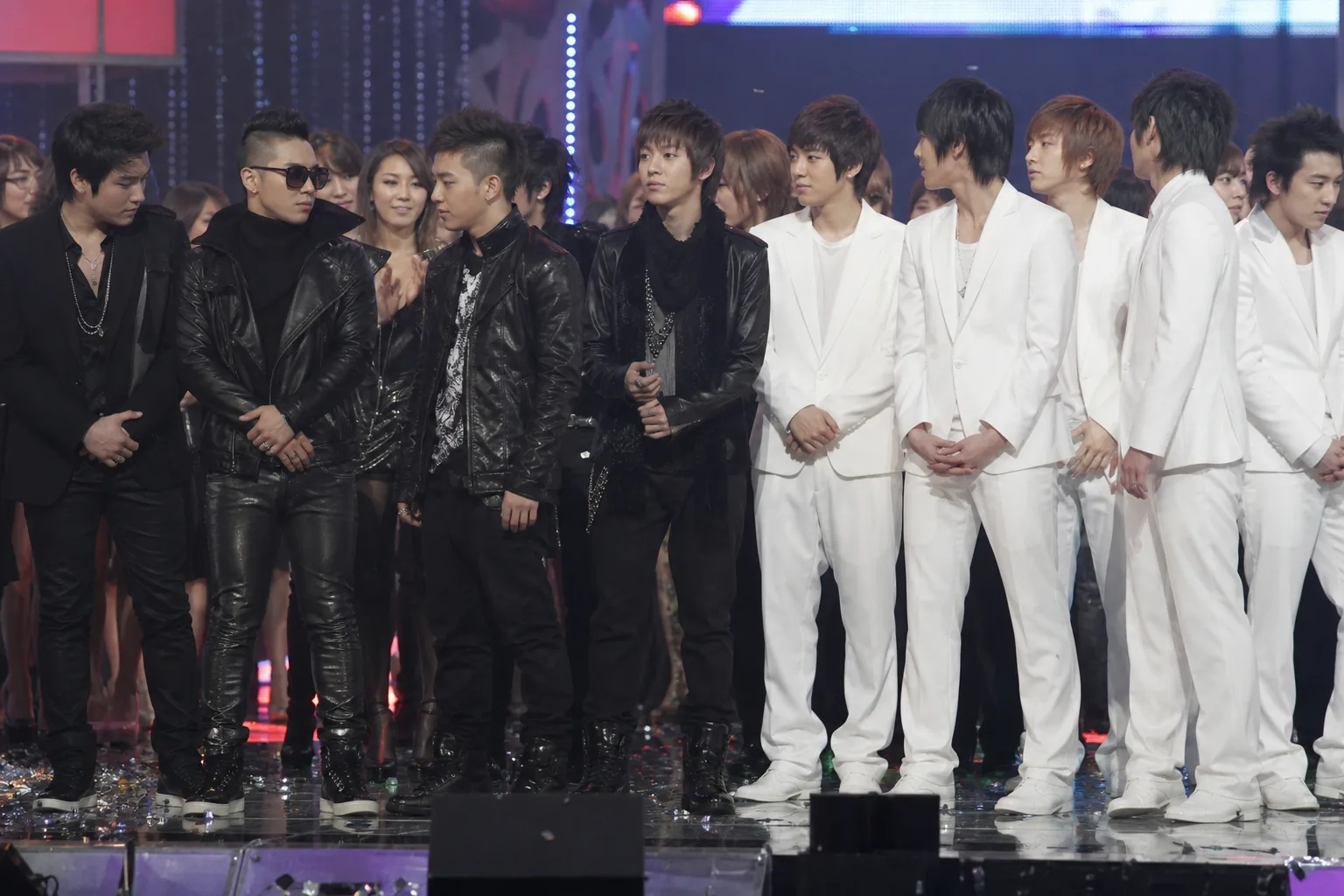
Heechul described the situation as frustrating because the standoff was not necessarily driven by the singers. His comments suggested that what appeared to viewers as rivalry could sometimes be the visible result of behind-the-scenes image management. Daesung agreed with the larger point, noting that artists were encouraged to think in competitive terms even when they personally did not feel the same level of conflict.
That distinction matters because second-generation K-pop is often remembered through dramatic fandom narratives: group versus group, company versus company, and chart battle versus chart battle. The new comments complicate that picture. They suggest that some of the era’s tension came from structural pressure around visibility, hierarchy, and broadcast access, rather than from direct hostility among idols.
Broadcast Access Came With Extra Obligations
The artists also recalled that music-show appearances were tied to broader broadcast relationships. Leeteuk said idols at the time were expected to appear on certain variety programs in order to maintain access to music programs. Daesung agreed, pointing to the importance of flagship entertainment shows as part of the promotional path for singers.
That system made idol schedules even heavier. A comeback was not only about rehearsing, recording, styling, and performing on stage. It could also mean a chain of variety tapings, public appearances, and relationship-building obligations with broadcasters. For major groups, the workload reinforced visibility. For the performers, however, it could mean little room to recover during already demanding promotional cycles.
Heechul connected that pressure to the way injuries and exhaustion were handled. He said that even when he was using crutches, there was pressure to appear if a broadcaster might interpret absence as disrespect. While he spoke with humor, the memory pointed to a harsher standard for artist availability. He also observed that younger idols today are more likely to rest when they are sick, calling that approach the right direction.
Leeteuk added his own joke about the lack of rest, saying that if the old expectations still applied, he might not have appeared that day after a long drive and a car accident the day before. The tone of the exchange was light, but the underlying point was serious: second-generation idols often worked in an environment where endurance was treated as part of professionalism.
A Changing View Of Idol Labor
The discussion arrives at a time when fans are more attentive to artist health, agency responsibility, and the sustainability of idol schedules. Modern K-pop still demands intense training and promotion, but public expectations have shifted. Canceled activities due to illness, temporary hiatuses, and mental health breaks are now more openly discussed than they were in earlier eras.
For Leeteuk, Heechul, and Daesung, the memories appear to carry both nostalgia and criticism. Their stories do not erase the achievements of second-generation groups, whose performances helped define K-pop’s global expansion. Instead, they highlight the cost behind that growth: long waits, intense company rivalries, broadcast obligations, and a culture that often rewarded artists for pushing through pain.
Their remarks also help explain why relationships between idols from rival groups can look different from the narratives built around them. While companies and fandoms may have emphasized competition, performers were often navigating the same demanding system. In that sense, the conversation reframes one of K-pop’s most mythologized eras as not only a period of rivalry, but also a shared workplace shaped by pressure from above.
As newer generations inherit a larger and more international industry, the reflections from Super Junior and BIGBANG members serve as a reminder that K-pop’s history is not only about iconic stages and fan wars. It is also about how the business of visibility shaped the lives of artists who were asked to keep performing, keep appearing, and keep competing long after the cameras stopped rolling.

Join the Conversation
Log in to share your thoughts and join the conversation with other fans.