
Super Junior’s Heechul Recalls Being Scouted By Host Bar During Trainee Days

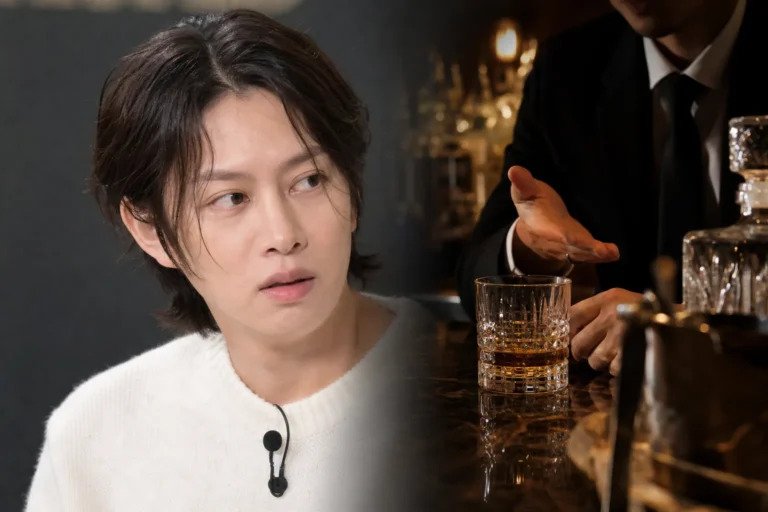
Super Junior members Heechul and Leeteuk revisited an unusual pre-debut memory during a recent appearance on ZIP DAESUNG, drawing attention for a story about being approached by a host bar while they were still SM Entertainment trainees. The anecdote, shared on the July 17 episode hosted by BIGBANG’s Daesung, offered a glimpse into the unpredictable social environment surrounding young entertainers before their official debut.
According to the report, Leeteuk and Heechul appeared together on the program and spoke about their trainee years, a period long before Super Junior became one of K-pop’s defining second-generation groups. Leeteuk described the two as close at the time and recalled that Heechul often asked him to accompany him when they went out. The conversation then moved to a specific incident near Cheongdam intersection, an area closely associated with entertainment companies, nightlife, and celebrity culture in Seoul.
Heechul said that someone once lowered a car window and handed him a gold-colored business card, telling him to get in touch. At first, the card apparently did not make clear what business it represented. He later realized it was connected to a host bar, a venue where male staff are typically paid to entertain customers. The detail surprised the others on the show and quickly became the headline point of the exchange.
Leeteuk added that the approach came with an enticing pitch. He recalled being told that working there could make enough money to buy an entire building. The two trainees reportedly joked that if their idol debut did not happen, they might join hands and go down that path instead. Heechul then continued the joke, suggesting that if he had taken that route, he might have ended up with even more money than he has now.

A trainee memory reframed through veteran idols
The story landed less as a scandal than as a reminder of how uncertain the trainee system can be before debut. For young performers, especially those training in major entertainment districts, the years before public recognition often involve long schedules, limited income, and constant uncertainty over whether a debut will ever come. In that context, Heechul and Leeteuk’s memory reads as a vivid example of the outside temptations and strange encounters that could cross paths with aspiring idols.
It also shows how differently such stories can be received when told by veteran entertainers. Super Junior debuted in 2005 and has since built a two-decade career across music, television, radio, musicals, and variety programming. Because Heechul and Leeteuk are now established public figures, the anecdote functions as a retrospective slice of idol history rather than a current controversy. Their joking delivery gave the story a light tone, but the underlying setting still points to the precariousness of pre-debut life.
Daesung’s program has increasingly become a place where senior idols can revisit industry memories with a degree of candor. Conversations between artists who experienced similar eras often produce stories that would be difficult to tell in a more formal promotional interview. Here, the shared second-generation context mattered: Daesung, Heechul, and Leeteuk all came up during a period when Korean idol culture was expanding rapidly but had not yet reached the global infrastructure and visibility it has today.
The mention of Cheongdam also adds industry context. The district has long been tied to agencies, salons, nightlife, restaurants, and private social networks around the entertainment business. For trainees moving through that environment, opportunity and risk could appear in unusual forms. A business card handed through a car window may sound almost cinematic, but the story underlines how aspiring performers could be recognized for their looks or charisma even before the public knew their names.

Why the anecdote drew attention
The incident gained attention because it sits at the intersection of idol mythology and adult nightlife, two areas that are usually kept far apart in public-facing K-pop narratives. Idol trainee stories often focus on discipline, practice rooms, diets, auditions, and debut evaluations. Heechul’s recollection adds a less polished detail to that narrative, suggesting that the path to debut was not only demanding inside the agency but also shaped by encounters outside it.
Still, the reported exchange should be understood as a personal memory told humorously on a variety program, not as evidence of any broader allegation. Neither member described accepting the offer, and the story was framed around how startling and tempting the pitch sounded at the time. Their careers ultimately moved in a different direction, with Super Junior becoming one of SM Entertainment’s flagship acts and a major contributor to K-pop’s international growth.
For fans, the appeal of the anecdote is likely its mixture of surprise and familiarity. Heechul has long been known for blunt, quick-witted variety appearances, while Leeteuk often plays the role of steady narrator in group discussions. Together, they turned a strange trainee-era approach into a story about uncertainty, friendship, and the alternate lives they never lived. Nearly twenty-one years after Super Junior’s debut, those memories continue to give audiences new angles on how unpredictable the road into K-pop once was.



Join the Conversation
Log in to share your thoughts and join the conversation with other fans.
I did not expect ??topic??on my feed today ?? The context behind the headline makes the story much more interesting.