
Jungkook and Winter Dating Rumors Draw Fresh Attention After Alleged Lovestagram Post

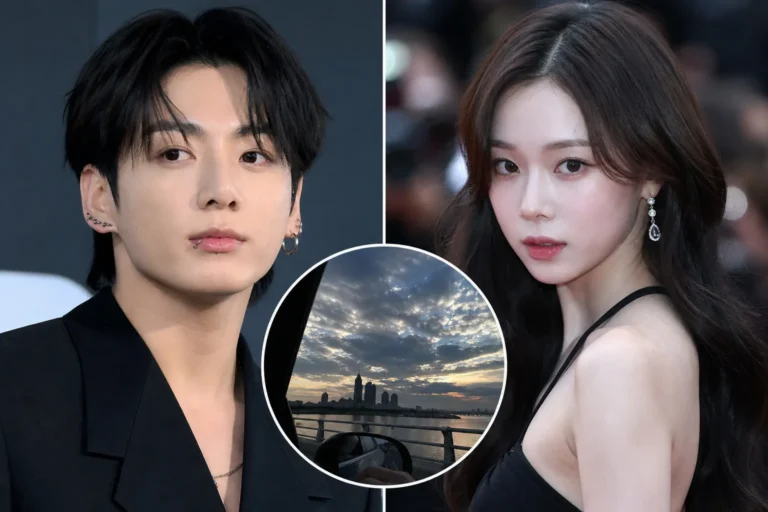
Dating speculation involving BTS’s Jungkook and aespa’s Winter has resurfaced online after Korean netizens debated what some fans described as a new alleged lovestagram clue. The discussion, which spread through online community posts, once again placed two of K-pop’s most visible idols at the center of an unconfirmed rumor cycle built around social media interpretation.
The latest debate follows earlier claims by some fans that Jungkook and Winter have used matching items or shared details that point to a private relationship. The source report said neither idol has confirmed the speculation, and no official statement from their respective sides was cited. That distinction matters: at this stage, the story is about the reaction to online claims, not a verified relationship.
Why the rumor resurfaced
The renewed attention appears to center on a post that framed recent social media activity as a possible lovestagram signal. In K-pop fandom language, lovestagram usually refers to Instagram posts or online updates that fans interpret as hidden signs of a romantic relationship. Those interpretations can involve timing, objects, captions, songs, emojis, locations, or visual similarities between posts.
In this case, the conversation quickly expanded beyond the alleged post itself. Some commenters revisited older claims, including discussion of matching belongings and a rumored couple tattoo. Others pushed back, arguing that fans were drawing broad conclusions from details that could easily be coincidental or unrelated. The result was a familiar split between those treating the clues as meaningful and those criticizing the speculation as excessive.
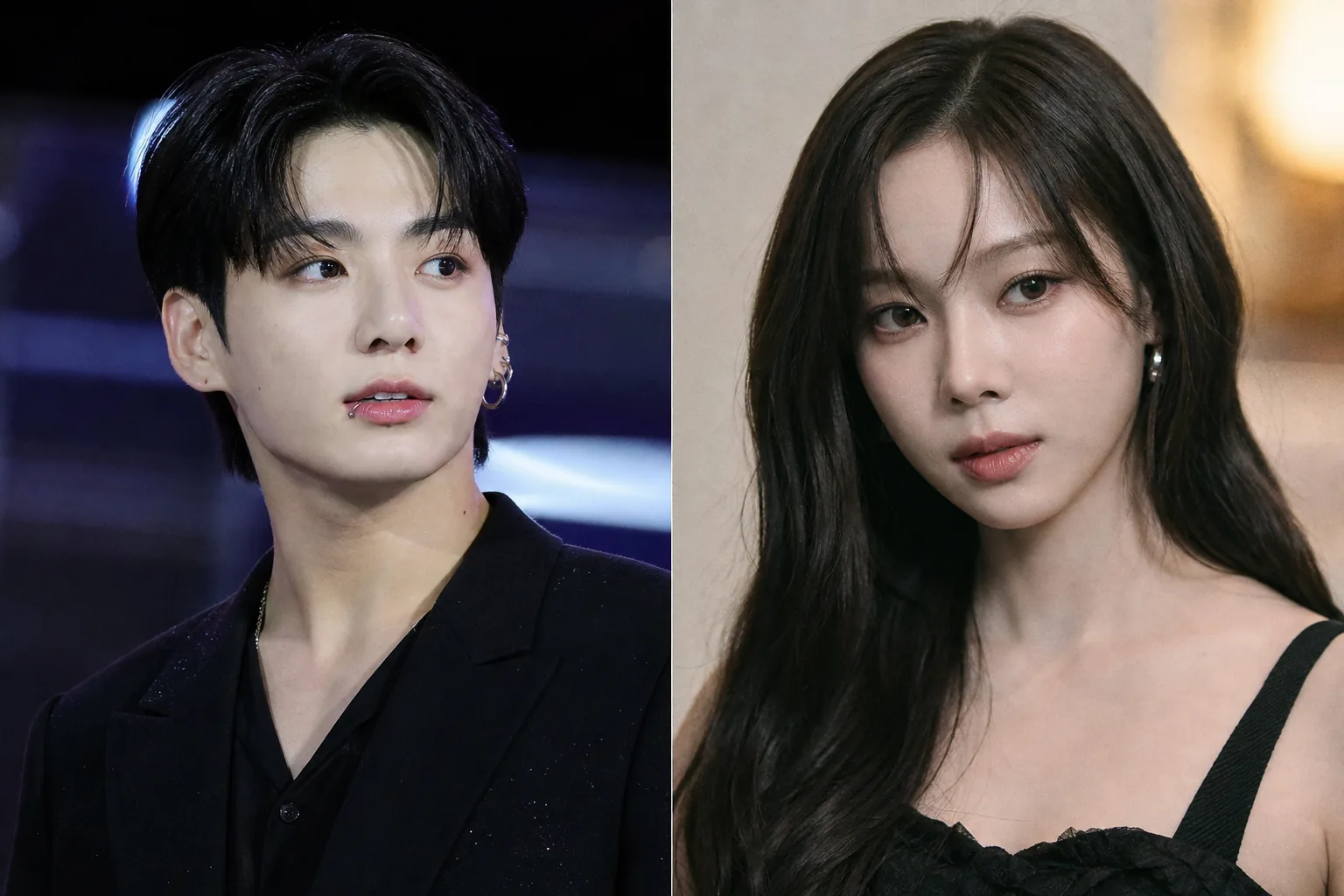
The report also noted that some reactions specifically defended Winter from repeated association with the rumor. For many fans, the frustration is not only about whether a dating claim is true. It is also about how often female idols become targets of hostile commentary whenever they are linked, fairly or unfairly, to a high-profile male idol.
Divided reactions from Korean netizens
Online responses ranged from jokes and sarcasm to sharper criticism of the people keeping the rumor alive. Some users mocked the intensity of fan analysis, suggesting that too much significance was being attached to ordinary online behavior. Others argued that the alleged evidence, particularly claims about matching symbols or tattoos, kept the speculation from fading.
That divide reflects a broader pattern in K-pop fandom. Dating rumors involving major idols rarely remain limited to the people named in them. They often become arguments about fan entitlement, privacy, misogyny, parasocial attachment, and the different standards applied to male and female performers. Even when no confirmation exists, the discussion can still shape public perception of the artists involved.
For Jungkook, any rumor can gain outsized attention because BTS remains one of the most internationally recognized acts in pop music. For Winter, aespa’s global profile means that a domestic online post can quickly become visible to international fans as well. The larger the audience, the faster a speculative claim can move across languages and platforms.
Privacy remains the central issue
The current discussion shows how quickly unverified idol rumors can become entertainment news in their own right. A single post can prompt fans to revisit months of alleged clues, while critics of the speculation ask why private relationships, if they exist at all, should be treated as public property.
Neither Jungkook nor Winter has publicly confirmed the dating rumors referenced in the report. Without confirmation, the most accurate framing is that online communities are debating alleged signs and the culture around them. The intensity of the response, however, shows how sensitive dating speculation remains in K-pop, especially when it involves artists with large, protective fandoms.
For now, the story is less about proving a relationship than about the way fandom spaces process ambiguity. Some fans see patterns and build narratives from them. Others see the same material as overreach. Until there is a direct statement from the artists or their agencies, the conversation remains speculation, and the clearest fact is the public reaction it has generated.

Join the Conversation
Log in to share your thoughts and join the conversation with other fans.
Mixed feelings about ??topic,??but the wider context really matters here ?쭬 Online reactions are rarely as simple as the first headline makes them look.