

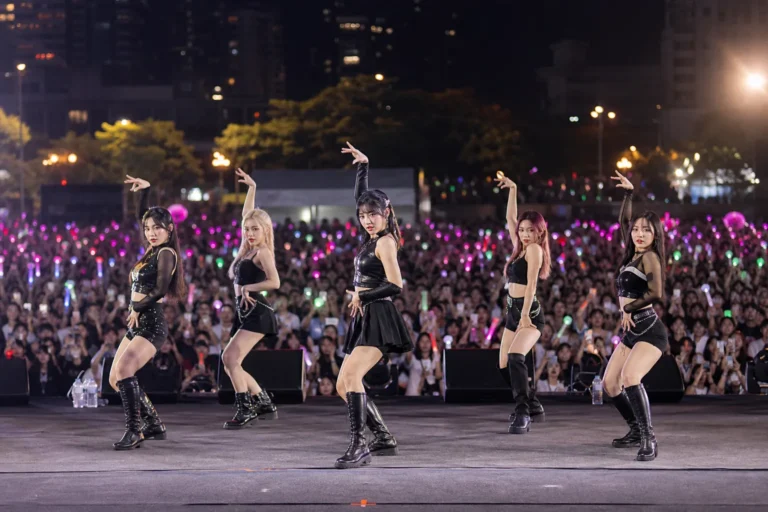
A K-pop cover dance event in Hanoi has drawn roughly 8,000 attendees, turning a public performance space in Vietnam’s capital into a large-scale showcase of Korean pop culture fandom. The event, reported by Korean media as part of the 2026 K-pop Cover Dance Festival in Vietnam, highlighted how deeply K-pop has become embedded in youth culture across one of Southeast Asia’s most active Hallyu markets.
The gathering took place on July 11 near Thien Quang Lake in Hanoi, where local teams competed before a large outdoor crowd. Reports described fans counting along in Korean, singing together, and cheering for performers who had prepared stage outfits, choreography, and group concepts modeled on professional idol performances. The atmosphere was closer to a concert than a small community contest, with the crowd size giving the event a scale that reflected K-pop’s wide reach in Vietnam.
The reported turnout matters because it shows that K-pop fandom in Vietnam is not only digital. While Korean acts routinely trend on social media and streaming platforms, cover dance events require time, rehearsal space, coordination, and physical attendance. That level of participation suggests a fan base with both enthusiasm and organization, especially among younger audiences who see performance as a way to take part in the culture rather than simply watch from a distance.
Competition Becomes Cultural Exchange
The festival was organized around cover dance teams performing choreography associated with major K-pop artists. According to the event coverage, 12 finalist teams were selected from a larger group of applicants after preliminary screening. Those finalists then performed on the Hanoi stage, with the winning team earning a chance to appear in Seoul as part of the broader international cover dance festival program.
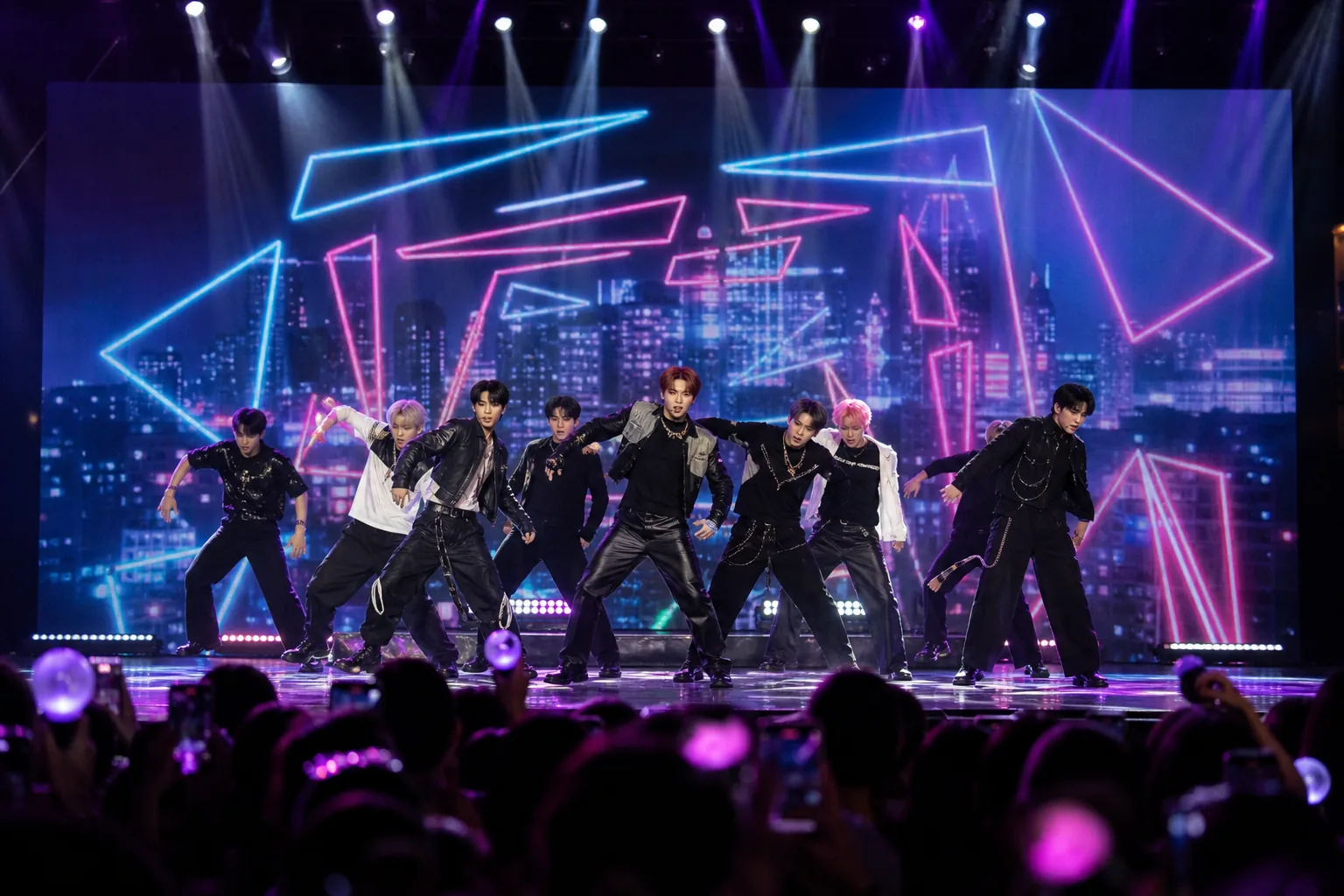
That Seoul opportunity gives the contest a larger purpose than local entertainment. For many participants, cover dance has become a practical bridge between fandom and cultural exchange. Teams study Korean lyrics, styling, camera angles, stage formation, and idol performance details, then translate those references into their own local scenes. The result is a fan-made circuit that keeps Korean pop culture visible even when major Korean artists are not touring in the country.
Vietnam has long been one of the key regional centers for Hallyu, and the Hanoi turnout adds another data point to that trend. Korean dramas, beauty products, food, language learning, and idol music all have established audiences in the country. K-pop stands out because it combines several of those interests at once: language, fashion, choreography, online fandom, and live gathering. Events like the Hanoi festival make that convergence visible in one place.
The contest also points to how K-pop’s international growth is increasingly sustained by fans themselves. Agencies and artists drive global promotion, but local communities keep the culture active between official concerts, album cycles, and fan meetings. Cover dance teams can rehearse for months, build followings on short-form video platforms, and bring audiences into public spaces. That makes them informal ambassadors for the music, even when they are not connected to Korean entertainment companies.
Why Vietnam’s K-Pop Audience Stands Out
The Hanoi event arrived at a time when Korean culture programs are expanding across Southeast Asia, with cultural centers, local partners, and private sponsors often using K-pop as an entry point for broader Korean cultural programming. The appeal is practical: K-pop is instantly recognizable to young audiences, but it can also lead them toward Korean language, tourism, fashion, and other cultural products.
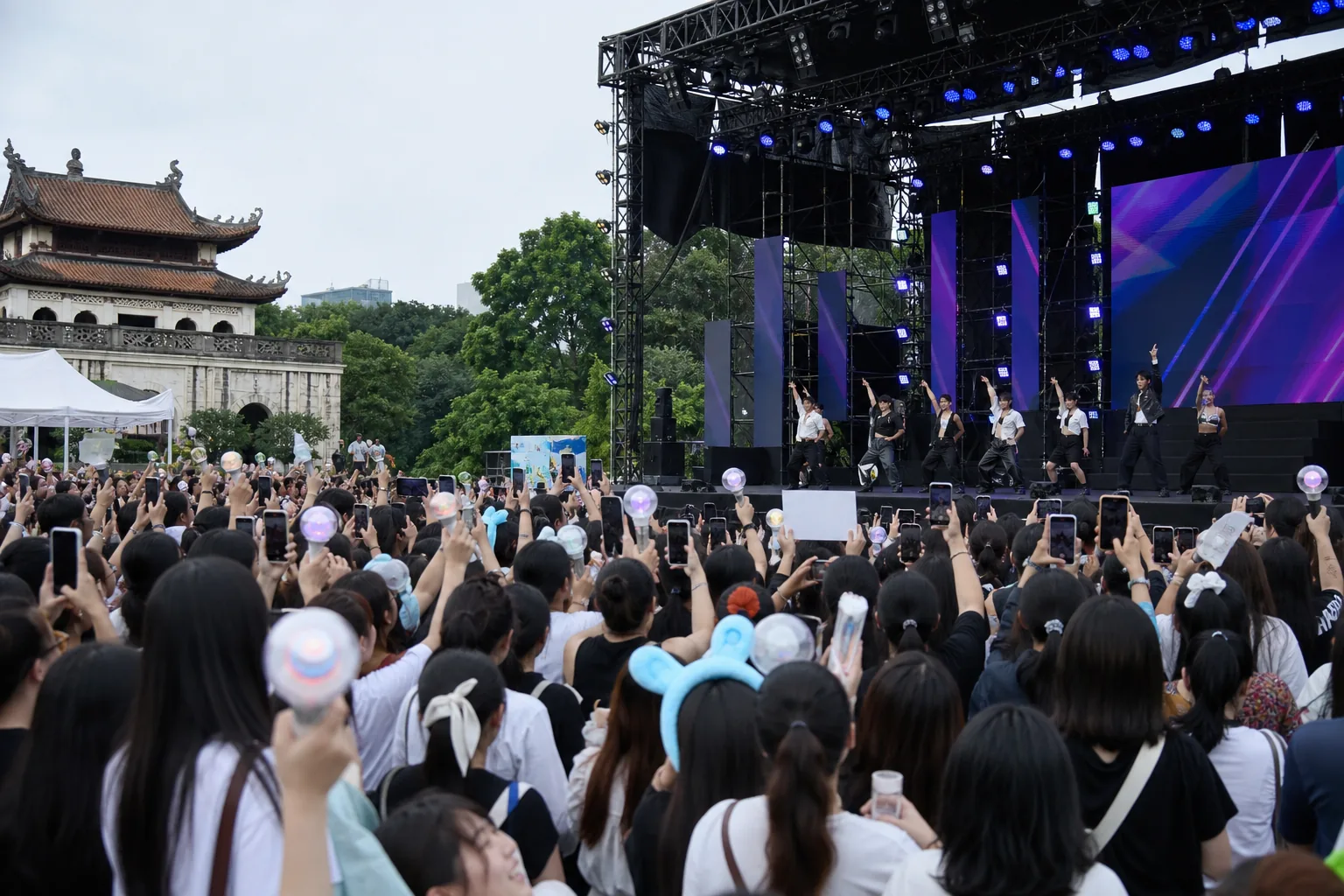
For Vietnam, that connection is especially strong because of the country’s youthful population and high level of digital engagement. K-pop fandom there spreads quickly through online video, but the cover dance format turns that online attention into offline participation. A large crowd watching local performers in Hanoi shows how Korean pop music can become part of a city-level youth culture event, not just a foreign entertainment import consumed through screens.
The reported scenes of fans chanting in Korean and performers competing in carefully prepared costumes also underline a broader shift in global pop fandom. International fans increasingly engage with the details of Korean performance culture, from synchronized choreography to stage styling and fan chants. That fluency helps explain why cover dance contests remain a durable format: they reward close attention, not just casual popularity.
For Korean cultural organizers, the event’s success offers a clear signal. Vietnam’s K-pop audience is large, active, and willing to show up in person. For performers and agencies watching Southeast Asia, it is another reminder that the region is not a secondary market but a central part of K-pop’s global ecosystem. The Hanoi festival did not need a full idol lineup to draw thousands; the fans and cover teams supplied much of the energy themselves.
As K-pop continues to grow internationally, events like this may become as important as formal concerts in measuring the genre’s influence. They show how Korean music is adapted, practiced, and celebrated by local communities. In Hanoi, that influence was visible in synchronized dance, Korean-language chants, and a crowd large enough to turn a summer festival into a snapshot of Hallyu’s staying power in Vietnam.

Join the Conversation
Log in to share your thoughts and join the conversation with other fans.