
Netizens Clash With SM Entertainment Over Styling, Accusing “Xenophobia” in Hearts2Hearts Comeback

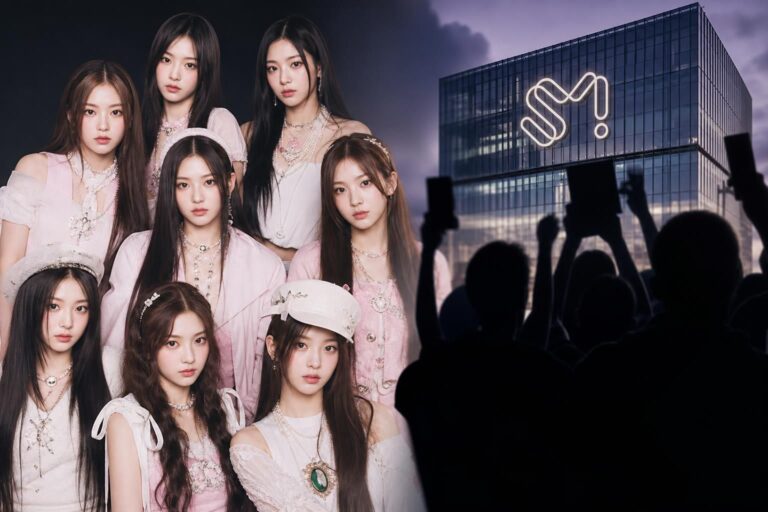
Online backlash has erupted ahead of Hearts2Hearts’s upcoming comeback after fans and netizens criticized SM Entertainment for how the group’s member Carmen was styled in new concept photos. The controversy, which began circulating after the group shared promotional images for their second mini album “Lemon Tang (Lemon Tang)”, centers on claims that Carmen was given an outfit that sharply diverged from the styling used for other members—sparking wider accusations of “xenophobia” and unequal treatment.
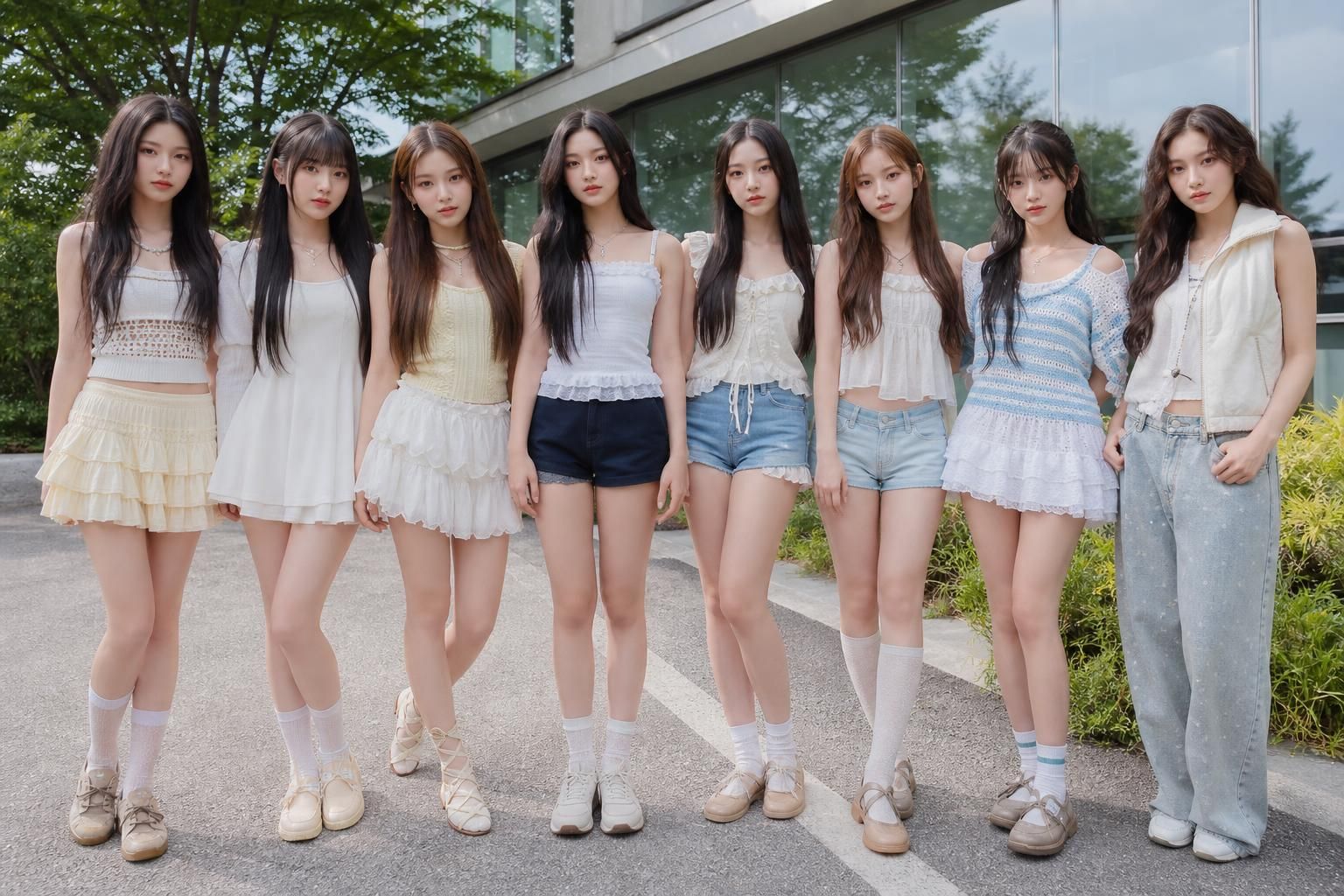
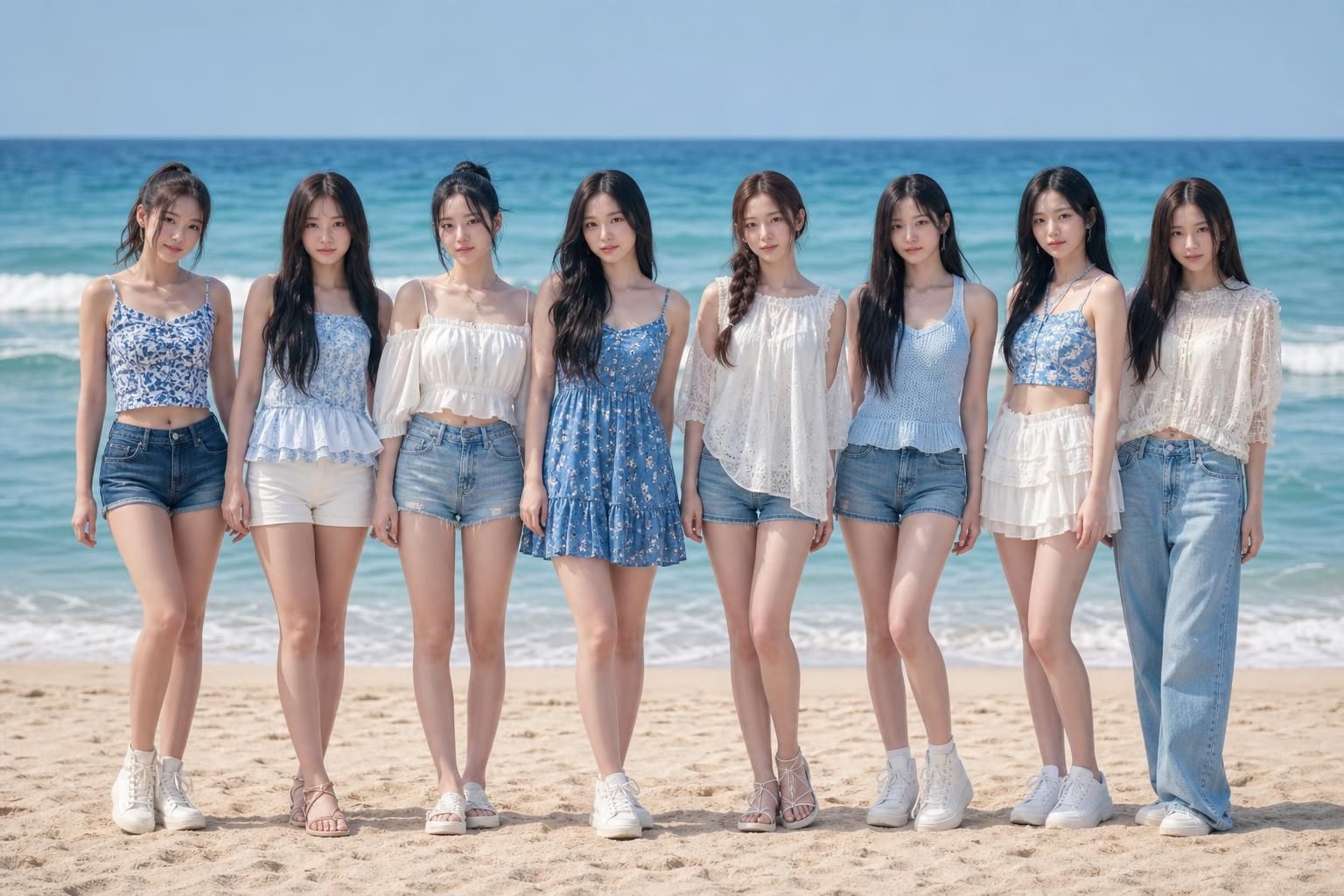
The dispute highlights how quickly K-pop promotional content can become a flashpoint for conversations about representation, equity, and perceived bias—especially when an artist is a foreign member in a group managed by a large Korean agency. Hearts2Hearts’ comeback concept, described by some as beach- or summer-themed, intensified scrutiny over what critics argued was an inconsistent styling choice: Carmen was shown wearing a skirt over long pants, while other members were styled with shorts or skirts.
Concept photos trigger criticism over outfit mismatch
According to reactions shared by viewers on social media, the criticism was first framed as a styling and fairness issue: many users argued it was inappropriate for the group’s summer concept to feature long pants for one member when the rest followed shorter, more seasonal looks. Posts accompanying the photos emphasized how visible the difference was as the images spread, with critics saying the discrepancy made Carmen’s styling feel “unfair” and “not aligned” with the concept aesthetic.
Some commenters acknowledged that Carmen may have been dressing for personal comfort, but the backlash persisted. Fans circulated comparisons between Carmen’s previous styling and the new concept images, arguing that the difference wasn’t merely about preference—rather, it reflected a pattern of unequal visual treatment.
Accusations broaden to “xenophobia” and a history of unequal treatment
As the conversation expanded, criticism moved beyond the outfit itself. Several users pointed to what they described as a long-running issue: a perceived tendency for foreign members to be treated differently by the agency. The argument, as presented in online posts, is that the styling choice may appear minor in isolation, but it becomes more concerning when viewed alongside similar incidents fans say have occurred previously.
In reactions posted around the controversy, fans alleged that SM Entertainment has a record of “microaggressions” toward foreign members, characterizing those actions as subtly discriminatory. One recurring claim was that when multiple data points are combined—such as promotional styling, positioning, and conceptual fit—the result can look like a consistent bias rather than a one-off creative decision. Commenters also referenced other foreign idols, arguing that Carmen’s current situation echoes earlier controversies involving how non-Korean members were represented.
Notably, some observers tried to downplay the matter as “not that deep,” focusing purely on costume differences. However, fans pushing back said the broader conversation reflects more than clothing: they argued it concerns how treatment accumulates over time and how foreign members are positioned visually and narratively in entertainment content.
Agency-style decisions vs. audience interpretation
For the agency and creative teams, styling decisions in K-pop often involve multiple factors—availability of garments, member-specific fit, choreographic considerations, and concept direction. Yet the online backlash illustrates a key reality of modern entertainment marketing: audiences interpret photos instantly, and even minor deviations can be amplified by comparison culture across fan communities.
In this case, the controversy appears to have hinged on visibility and contrast. Because concept photos are intended to present a unified group identity, fans expected consistent silhouettes and a coherent “summer” look. Carmen’s long-pants styling—if perceived as inconsistent with the beach-themed narrative—became the most obvious element to contest, making it easier for viewers to attach larger meanings to the choice.
That tension—between behind-the-scenes production logic and front-facing audience interpretation—is now central to how K-pop controversies spread. A single styling photo can quickly evolve into a symbolic debate about fairness and belonging, especially where foreign representation is involved.
What happens next for Hearts2Hearts and the backlash
Hearts2Hearts’ second mini album “Lemon Tang” is scheduled to release on June 22 at 6 p.m. KST, based on the promotional schedule included in the outlet’s coverage. With the release date approaching, the most immediate variable will be how the group responds—whether through subsequent promotional photos, live performances, or public statements addressing fan concerns.
In parallel, SM Entertainment’s handling of the controversy—whether through clarifying styling rationale, adjusting later visuals, or remaining silent—could further shape public sentiment. If additional teaser images continue to show disparities, the accusation of unequal treatment may intensify. If later promotions align more closely across members, some critics may shift from “xenophobia” allegations to arguing over creative decision-making.
Either way, the episode underscores how K-pop promotion now functions as a continuous feedback loop. Fans do not only evaluate songs and choreography; they scrutinize the visual narratives surrounding identity and representation. As Hearts2Hearts moves toward its comeback, the controversy will likely remain part of the story—even as the focus ideally shifts back to the music.
Join the Conversation
Log in to share your thoughts and join the conversation with other fans.
Love seeing this momentum build. Fans must be feeling so proud right now.
This feels like the kind of update that makes the wait feel worth it for fans 💫
okay this is the kind of entertainment news that makes me want to see how the next update plays out 👀