
Choi Kang Hee Asks Fans Not to Visit Her After Stalking and Threat Concerns

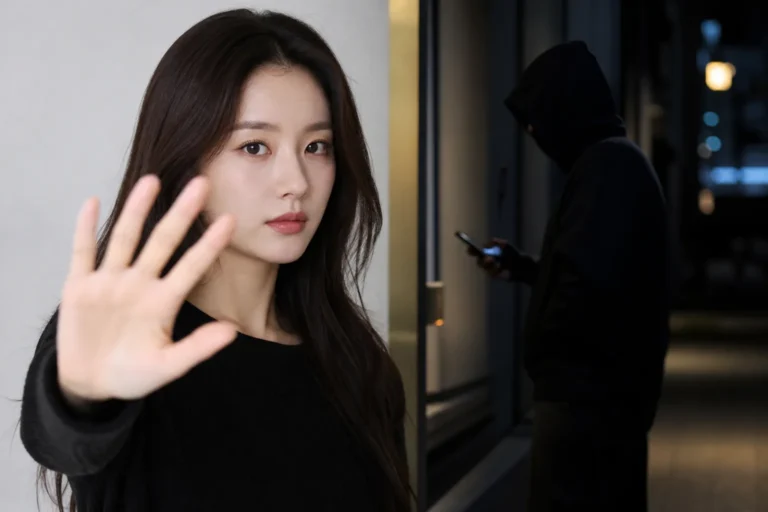
Actress Choi Kang Hee has asked fans and the public not to seek her out in person after describing recent incidents involving unwanted contact, threats, and stalking concerns. In a message shared on July 15, the actress said she would no longer be able to accept letters or gifts sent to a broadcasting station and asked that any fan correspondence be routed through her agency or fan club instead.
The notice was unusually direct for a public-facing celebrity message. Choi explained that a series of recent incidents had affected her enough to cause nightmares, saying the experience made the line between reality and dreams feel blurred. She asked for understanding, cooperation, and prayers while setting a clearer boundary around how supporters should contact her.
According to the report, Choi said she had found a letter warning that if she did not respond, the sender would treat her silence as consent and follow her car. She also said she realized the letter appeared to have come from the same person who had spoken to her a few days earlier. Choi did not identify the person publicly, but she emphasized her request in plain terms: do not come looking for her.
Actress Draws A Clear Line Around Fan Contact
The most immediate change Choi announced is practical. Letters and gifts should no longer be sent to the broadcasting station where she works or appears. Instead, she asked people to use official channels such as her agency or fan club. That distinction matters because a broadcast workplace is not only a professional site but also a predictable location where performers, staff, and visitors may cross paths.
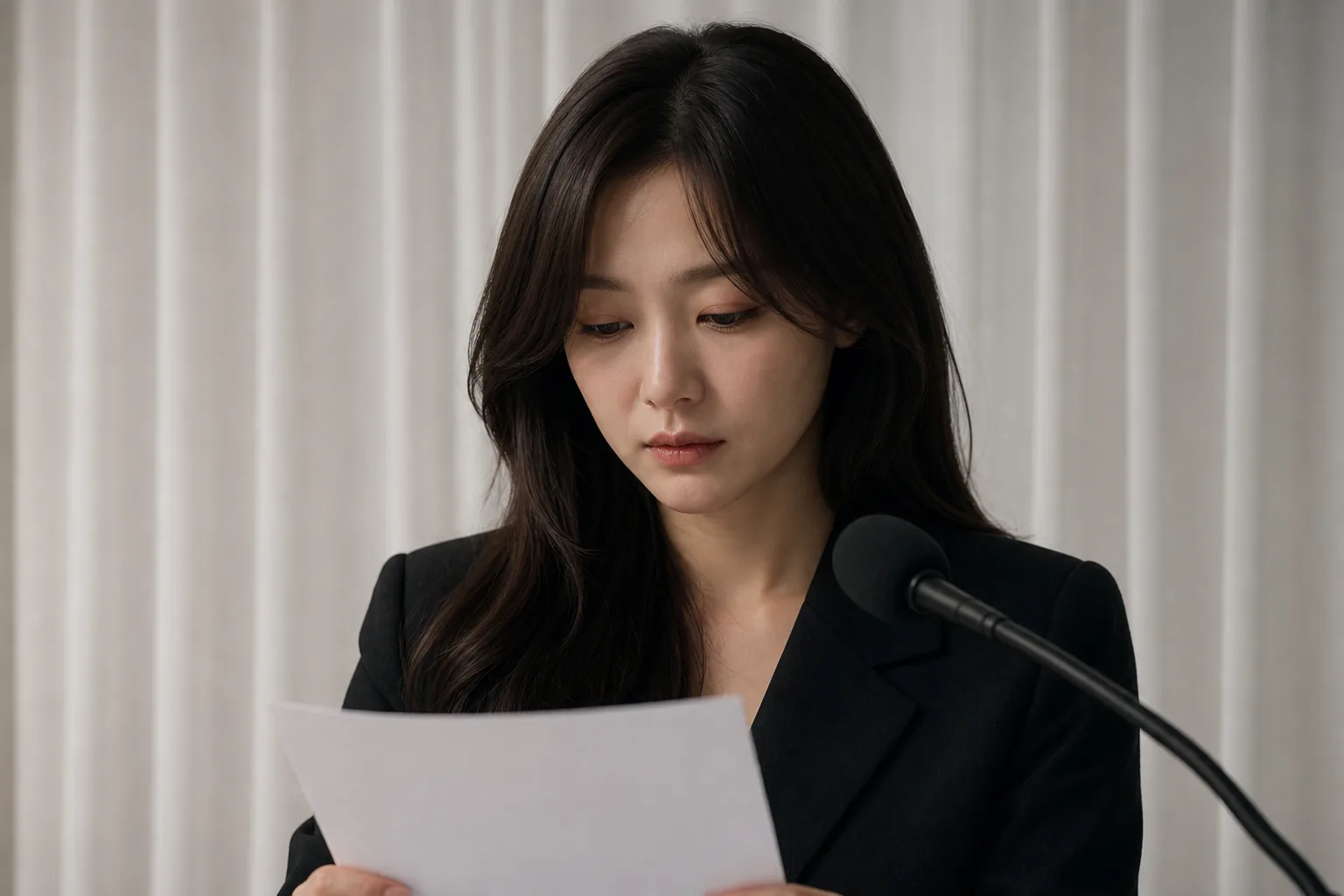
For entertainers, public visibility often creates a difficult overlap between appreciation and access. Fans may feel that handwritten letters, gifts, or brief conversations are harmless forms of support. Choi’s post, however, underlined that contact can become frightening when it happens without consent, especially if it involves waiting near a location, approaching someone repeatedly, or implying that silence means permission.
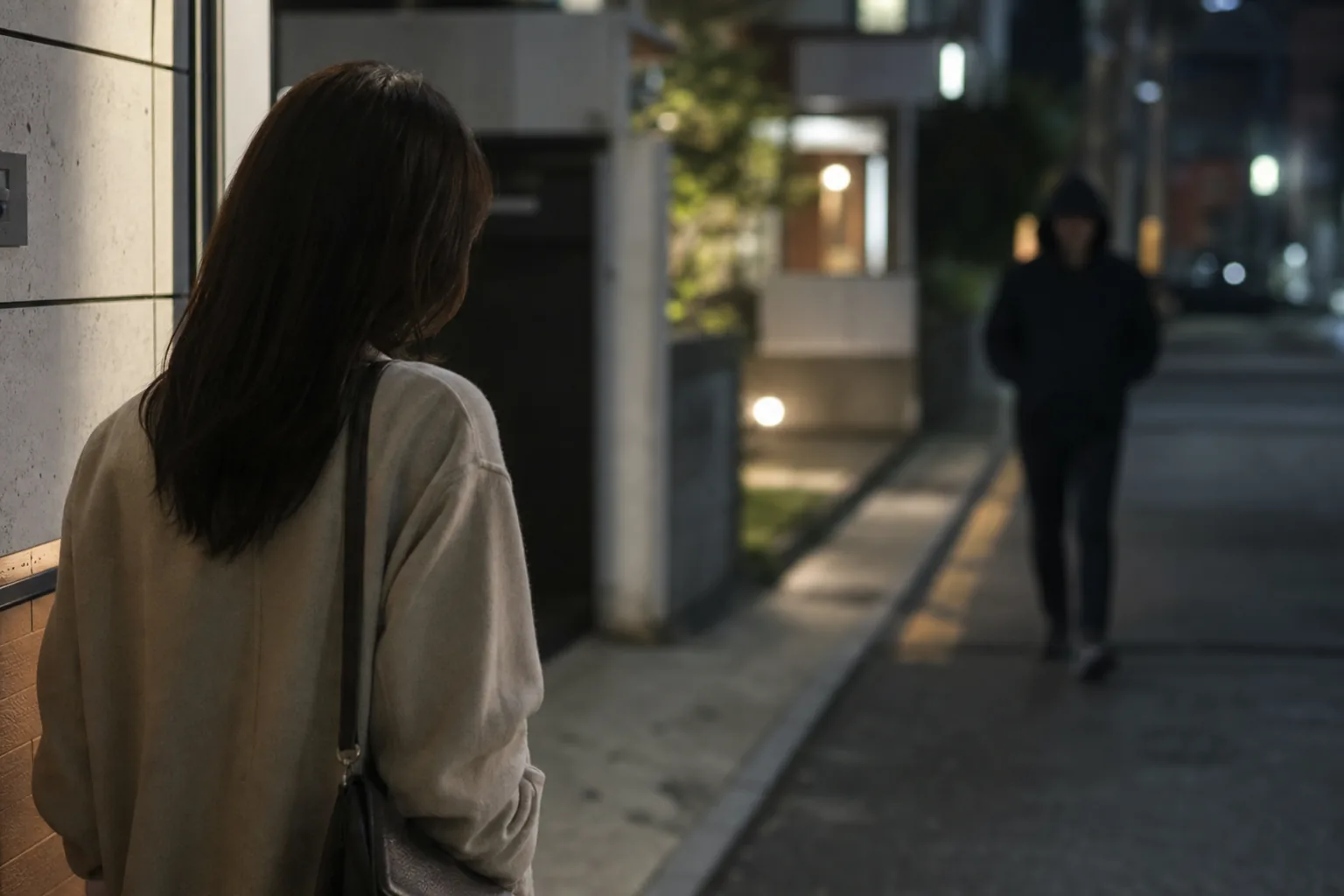
Choi specifically described attempts at conversation without consent, waiting around, and following someone as forms of stalking. She also noted that even actions without malicious intent can cause psychological terror. That point broadened the message beyond one letter or one person: the issue is not only whether a sender considers their behavior threatening, but whether the person receiving it experiences fear, pressure, or loss of control over their movement.
Why The Message Resonated
The actress’s wording drew attention because it combined a personal plea with a public safety boundary. Rather than framing the matter as a simple inconvenience, Choi linked the incidents to mental strain and sleep disturbance. Her decision not to name the person also kept the focus on behavior rather than public confrontation, while still making clear that the situation had crossed a line.
Celebrity stalking has long been a concern in Korean entertainment, where artists can have fixed schedules, visible workplaces, and fan communities that closely track appearances. Choi’s message reflects a wider industry problem: stars are expected to remain accessible and grateful, but that expectation can make it harder to enforce basic privacy. A request not to visit a workplace, follow a car, or force a conversation is not a rejection of fans; it is a safety measure.
The case also shows why official fan channels exist. Agencies and fan clubs can receive letters, screen deliveries, and organize communication in ways that protect both the artist and supporters. Sending items to a broadcast station or attempting direct contact may feel more personal, but it bypasses the structures meant to prevent confusion, pressure, or risk.
Choi’s post is ultimately a reminder that support has boundaries. Admiration does not create a right to a response, a meeting, or physical access to an entertainer’s private movements. By asking people not to look for her and by refusing items sent to the broadcasting station, she has made those boundaries explicit at a moment when she says recent incidents have already affected her sense of safety.
As of the report, Choi’s request stands as both a personal appeal and a public clarification: fans who want to reach her should use official routes, and anyone considering in-person pursuit should stop. The message is direct because the underlying issue is direct. Consent, privacy, and safety remain necessary even in an industry built around public attention.


Join the Conversation
Log in to share your thoughts and join the conversation with other fans.