
WINNER’s Song Min Ho Denies Conspiracy in Military Service Absence Trial

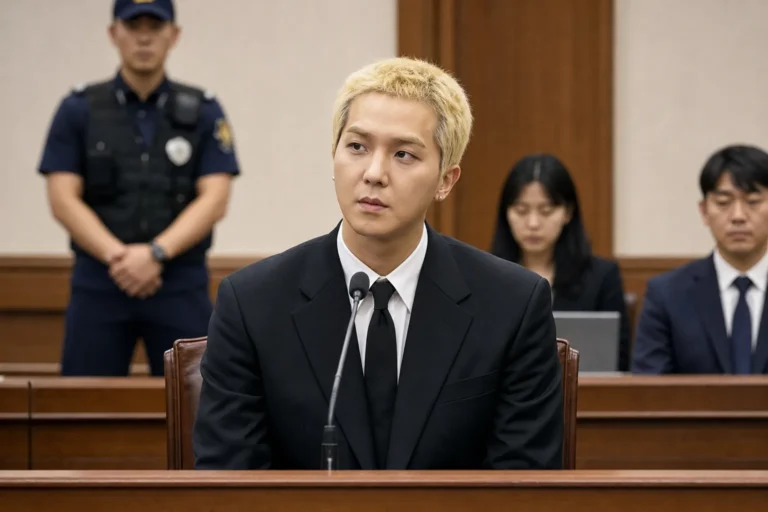
WINNER member Song Min Ho has denied that he conspired with a former social service supervisor to avoid military-related duties, while acknowledging that he bears responsibility for absences during his alternative service period.
The singer appeared as a witness on July 14 at the Seoul Western District Court during the third hearing for his former supervisor, identified by surname Lee. Lee is facing charges connected to allegations that he helped Song violate the Military Service Act by improperly allowing or facilitating absences from assigned social service work.
According to the report, prosecutors are examining whether Song’s absences were the result of an informal arrangement with Lee or whether they stemmed from Song’s health condition and later administrative handling. Song served as a social service worker from March 2023 until December 2024 at the Mapo District Facilities Management Corporation and a public welfare facility in Seoul.
Prosecutors have alleged that Song was absent without approval for 102 of roughly 430 scheduled workdays. That figure has placed renewed attention on how alternative service is monitored, especially when the person involved is a well-known entertainer with a public career and personal ties to officials overseeing attendance.
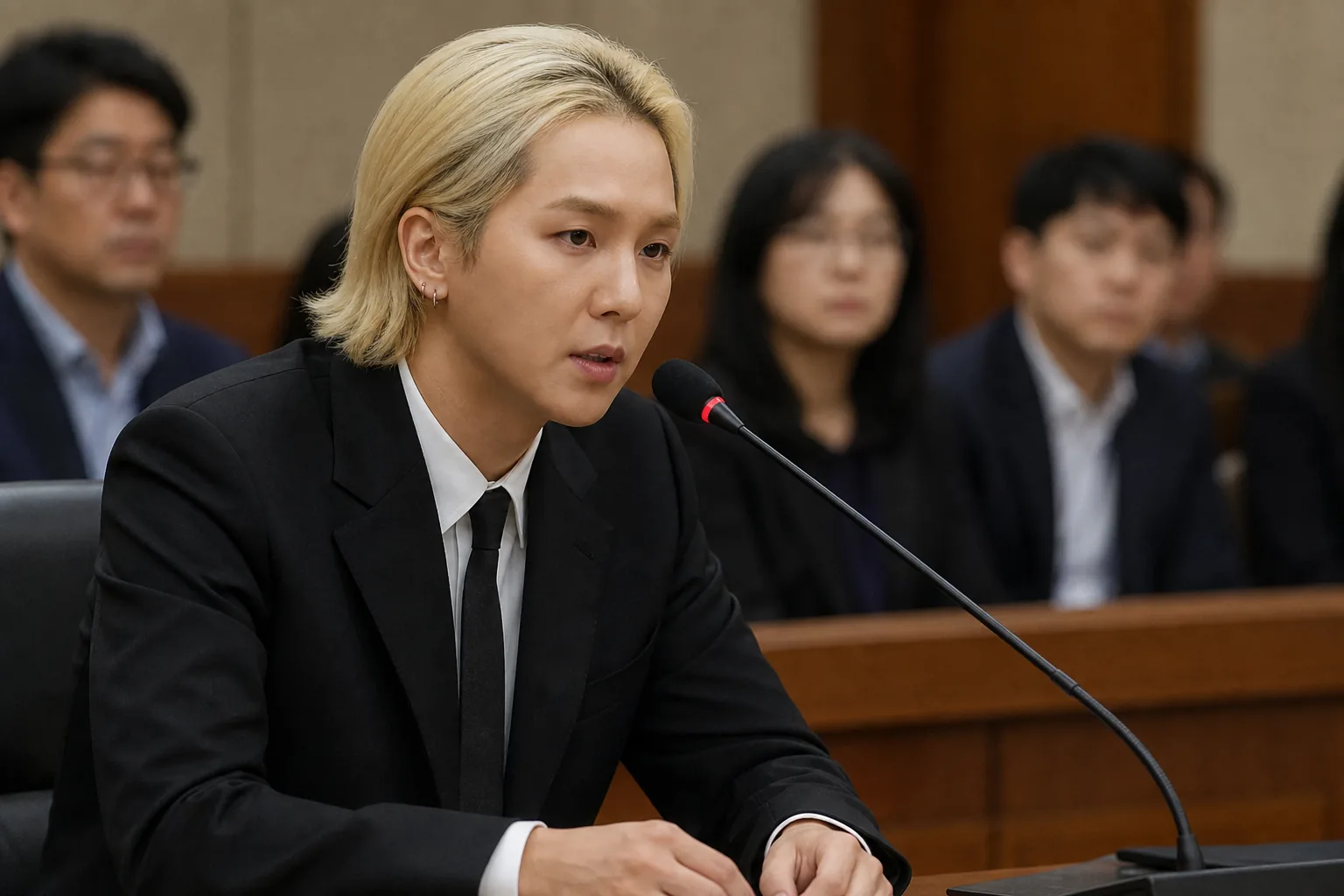
Song Denies Prior Agreement
During testimony, Song rejected the claim that he and Lee had discussed avoiding duty in advance. He said Lee knew about his health issues and sometimes expressed concern about his condition, but argued that this concern should not be interpreted as an instruction or plan to skip service.
Song also said that when Lee suggested he could rest at home during periods when his health worsened, he understood the remarks as personal consideration rather than official permission to evade responsibilities. He maintained that there was no advance agreement, exchange, or coordinated attempt to avoid service.
At the same time, Song did not frame the matter as entirely outside his control. He acknowledged that there were days when he did not report for duty because of health problems and said he takes responsibility for those absences. That distinction is central to the case: whether the conduct was an individual attendance failure, a criminally relevant arrangement with a supervisor, or some combination of administrative lapses.
The hearing also addressed attendance logs. Prosecutors questioned records that appeared to have been completed later rather than on the dates of service. Song said he generally recorded arrival and departure times, but admitted that some logs were filled out in batches. He attributed that to his condition at the time and said he did not intend to create false records.
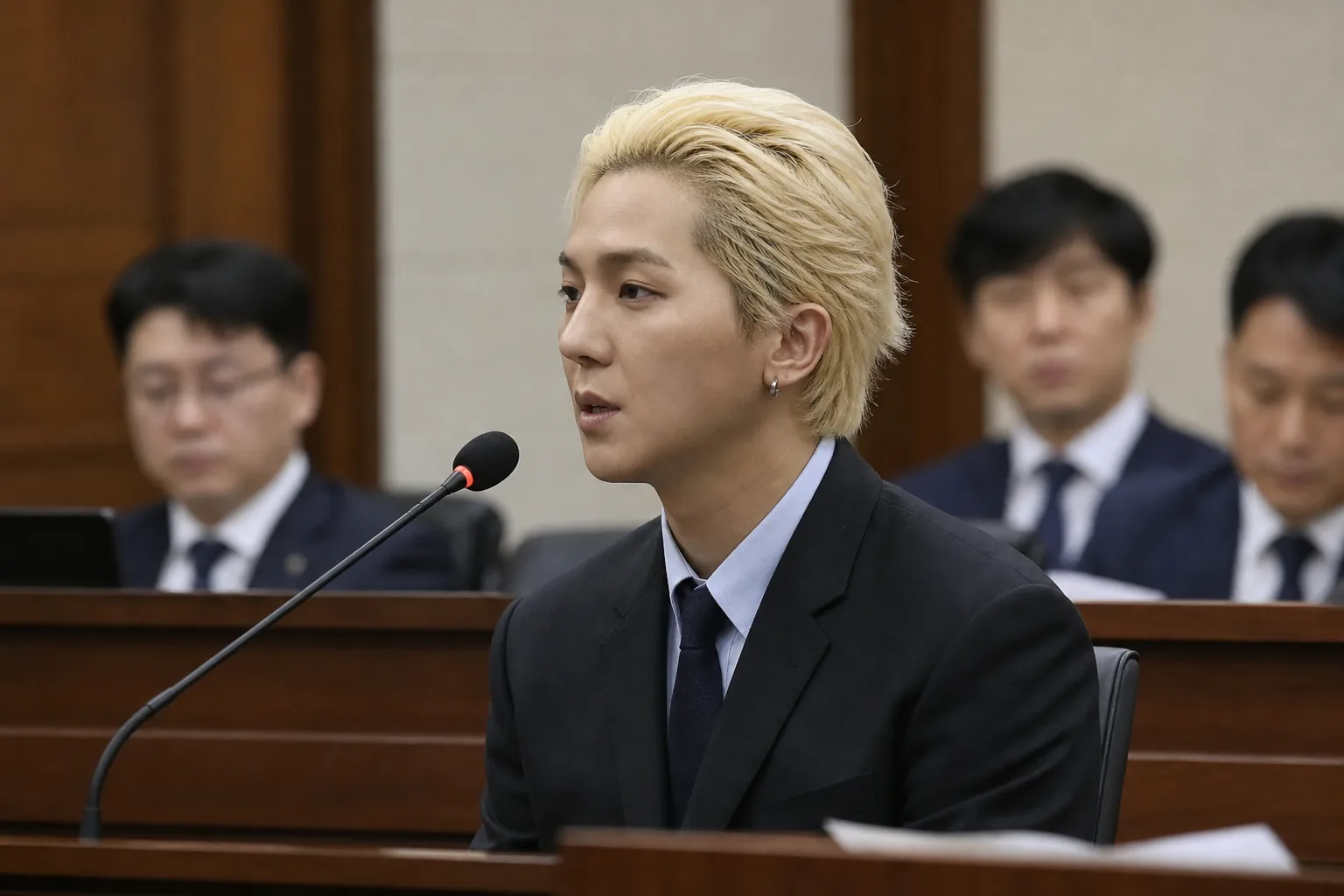
Personal Relationship Under Scrutiny
Another major issue was Song’s personal relationship with Lee. Song reportedly acknowledged that he had helped give career advice to Lee’s child, lent Lee money, and spent time with him outside the workplace, including fishing. Prosecutors questioned whether that relationship influenced the way Song’s service obligations were supervised.
Song denied that the friendship produced special treatment. He characterized the interactions as personal and unrelated to attendance, arguing that they were not part of any benefit-for-leniency arrangement. For prosecutors, however, those details may be relevant to whether the supervisor had a motive to handle Song’s absences differently from an ordinary service worker.
The case is sensitive because South Korea’s military service system is closely watched, and celebrities have often faced intense scrutiny over whether they fulfilled their duties fairly. Alternative service, including work as a social service worker, is lawful for those assigned to it, but public trust depends on consistent oversight and accurate attendance records.
Song’s testimony therefore carries stakes beyond one idol’s reputation. If the court finds that absences were knowingly enabled or records were mishandled to protect him, the case could reinforce public concerns about preferential treatment. If the court accepts Song’s explanation, the focus may shift toward health documentation, workplace discretion, and whether administrative mistakes were overstated as deliberate misconduct.
For now, Song’s position is that he accepts responsibility for his own missed workdays but denies a conspiracy with Lee. The trial will continue to test that account against attendance records, witness testimony, and the nature of the relationship between the singer and his former supervisor.



Join the Conversation
Log in to share your thoughts and join the conversation with other fans.