
Ko Young Wook Draws New Backlash After Suggesting Adult Film Work in Japan

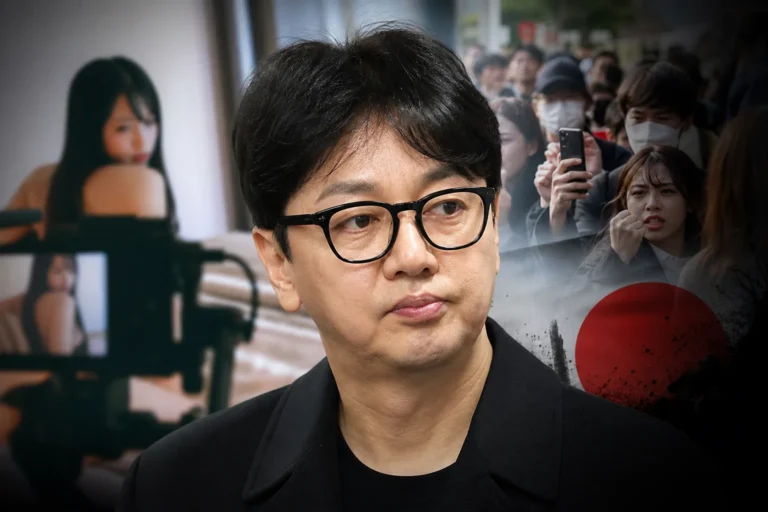
Ko Young Wook, the former Roo’Ra member whose criminal convictions ended his broadcasting career, has drawn renewed backlash after suggesting online that he could seek work in Japan’s adult film industry. The comment, posted on his personal social media account on July 12, quickly spread through Korean entertainment coverage because it touched on a long-running public question: whether a celebrity convicted of crimes involving minors can or should keep trying to return to public life.
According to the report, Ko wrote that he had only wanted to live happily while making people laugh, but that finding work in Korea seemed difficult. He then referred to claims that Japan was short of male adult film performers and added that it could be an option if legally possible. The phrasing was enough to trigger immediate criticism, both because of the nature of the proposed work and because his past offenses involved minors.
Ko first became widely known in the 1990s as a member of Roo’Ra, one of the era’s most recognizable Korean pop groups. The group found mainstream success with bright dance tracks, and Ko later extended his profile through television appearances, including variety programming and animal-themed broadcasts. For years, his public image was tied to a familiar celebrity path: music fame followed by an easygoing presence on entertainment shows.
That career collapsed after a series of sexual assault cases involving minors. Korean reports cited in the latest coverage note that allegations emerged from incidents beginning in 2010, and that Ko was later arrested while already under investigation in a separate case. In 2013, the Supreme Court finalized a prison sentence of two years and six months, along with additional measures that included electronic location tracking and public disclosure requirements.

A comeback attempt that keeps meeting resistance
Ko was released in July 2015 after serving his sentence, but the end of the prison term did not restore his place in the entertainment industry. He became widely described in Korean media as the first celebrity to wear an electronic anklet, a label that has followed every subsequent mention of his name. Broadcasters and the public have shown little appetite for a conventional return.
Even so, Ko has repeatedly signaled that he still wants a route back into public-facing work. After his tracking period ended in 2018 and his personal information disclosure period ended in 2020, attention returned whenever he posted online. In 2024, he opened a personal YouTube channel, but the account was later shut down by the platform. His complaints about that decision only intensified public criticism, especially among viewers who saw the channel as another attempt to rebuild celebrity access.
The latest post is different from a standard comeback hint because it points away from television or music and toward adult entertainment. Still, the reaction has followed a familiar pattern. For many Korean viewers, the issue is not simply what job Ko mentioned, but the broader impression that he is still framing his circumstances around lost opportunity rather than the seriousness of the harm that ended his career.
That is why the discussion has moved beyond one provocative sentence. Korean entertainment has long wrestled with uneven standards for celebrity accountability, with some figures returning after scandals while others remain effectively barred. Ko’s case sits at the harsher end of that spectrum because the convictions involved minors, making his public reappearances especially sensitive.
Why the reaction matters
The backlash also reflects how social media has changed the boundaries of an entertainment career. A celebrity no longer needs a broadcaster or agency to test public reaction; a single post can function as a comeback trial balloon. But the same speed works against them when the public sees the message as evasive, self-pitying, or disconnected from the gravity of past conduct.
For now, there is no confirmed project, employer, or formal move into Japan’s adult film industry. What exists is a public remark and a strong reaction to it. The episode shows that Ko remains a recognizable name, but not in a way that suggests a path back to mainstream Korean entertainment. If anything, the response indicates that his past convictions continue to define how audiences interpret every new attempt to re-enter the conversation.
In practical terms, the controversy is less about whether one former celebrity can find work overseas and more about how long public memory lasts when the underlying offense is severe. Ko’s post may disappear from the news cycle quickly, but the reaction makes clear that Korean audiences are still unwilling to separate his future ambitions from the crimes that ended his career.



Join the Conversation
Log in to share your thoughts and join the conversation with other fans.
The situation around ??topic??needs more context than a viral post can give ?쨺 Glad to see the details laid out before people rush to conclusions.