
ADOR’s NewJeans Inventory Turns Into a Financial Liability as Album Stockpile Mounts


ADOR, the agency behind K-pop group NewJeans, is facing mounting financial pressure after an unexpectedly large stockpile of unsold albums remained on its books, according to a report cited by Korea-focused financial media. The inventory issue has become especially prominent amid a prolonged slowdown in the group’s activities tied to an ongoing contract dispute.
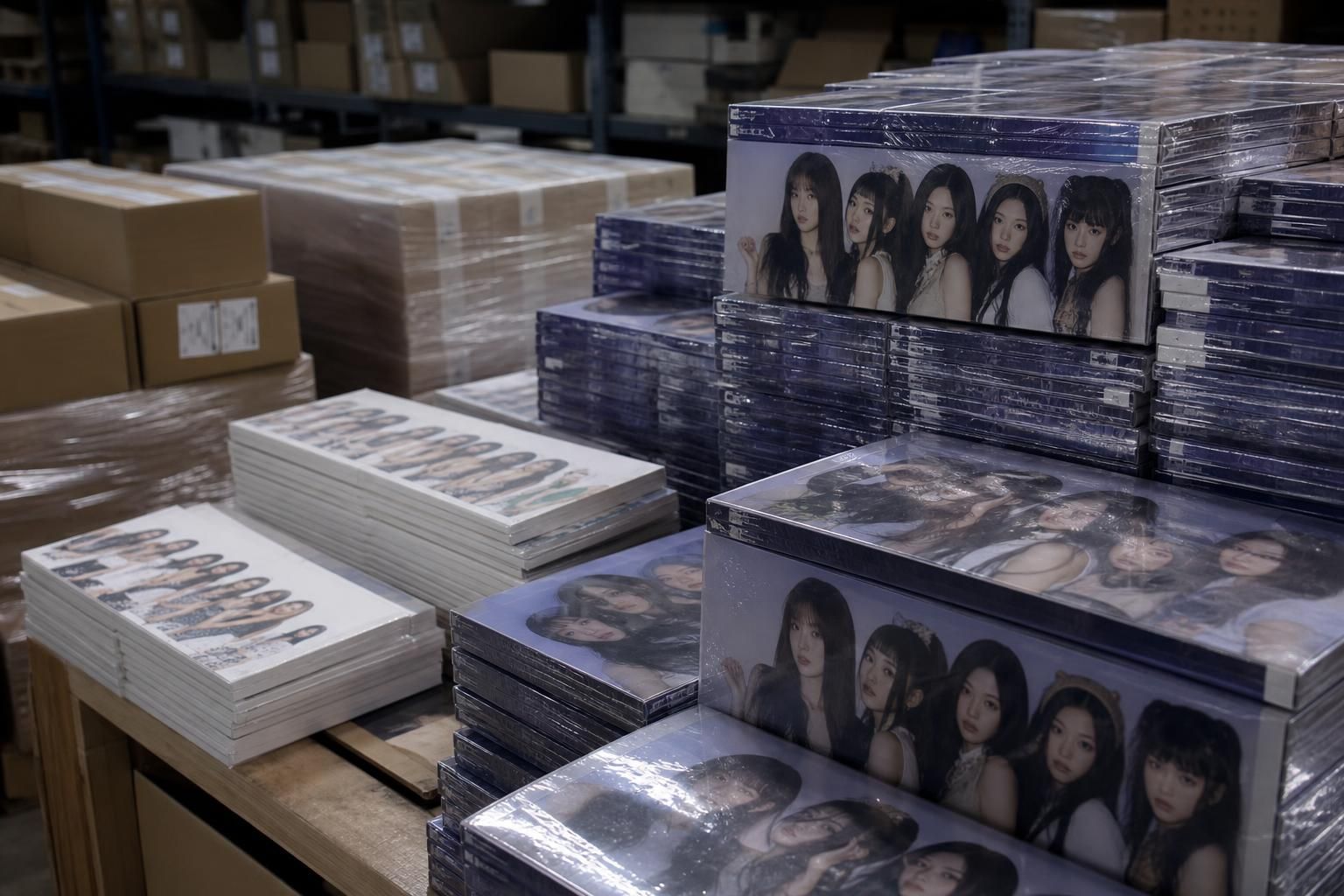
The Bell reports that ADOR held ₩15.1 billion KRW (about $9.97 million) in inventory assets at the end of 2025—only slightly below the ₩15.8 billion KRW (about $10.4 million) figure recorded a year earlier. While the company’s inventory is believed to include multiple items, the report attributes most of the remaining stock to NewJeans releases.
Inventory remains stuck as releases slow
ADOR’s inventory problem is closely linked to the lack of new output. The report notes that NewJeans activities have been effectively halted as the group’s contractual situation has dragged on. With fewer new album launches and limited merchandise movement, unsold products have had less opportunity to clear through the market—turning what had been accounting “inventory assets” into items that may require valuation adjustments.
Under common accounting practice, unsold inventory at year-end can reduce reported costs, boosting operating profit on paper. But the same mechanism becomes less helpful if products do not sell in a reasonable timeframe, leaving a company to later absorb the financial impact through impairment losses or write-downs.
Get Up allegations highlight the scale
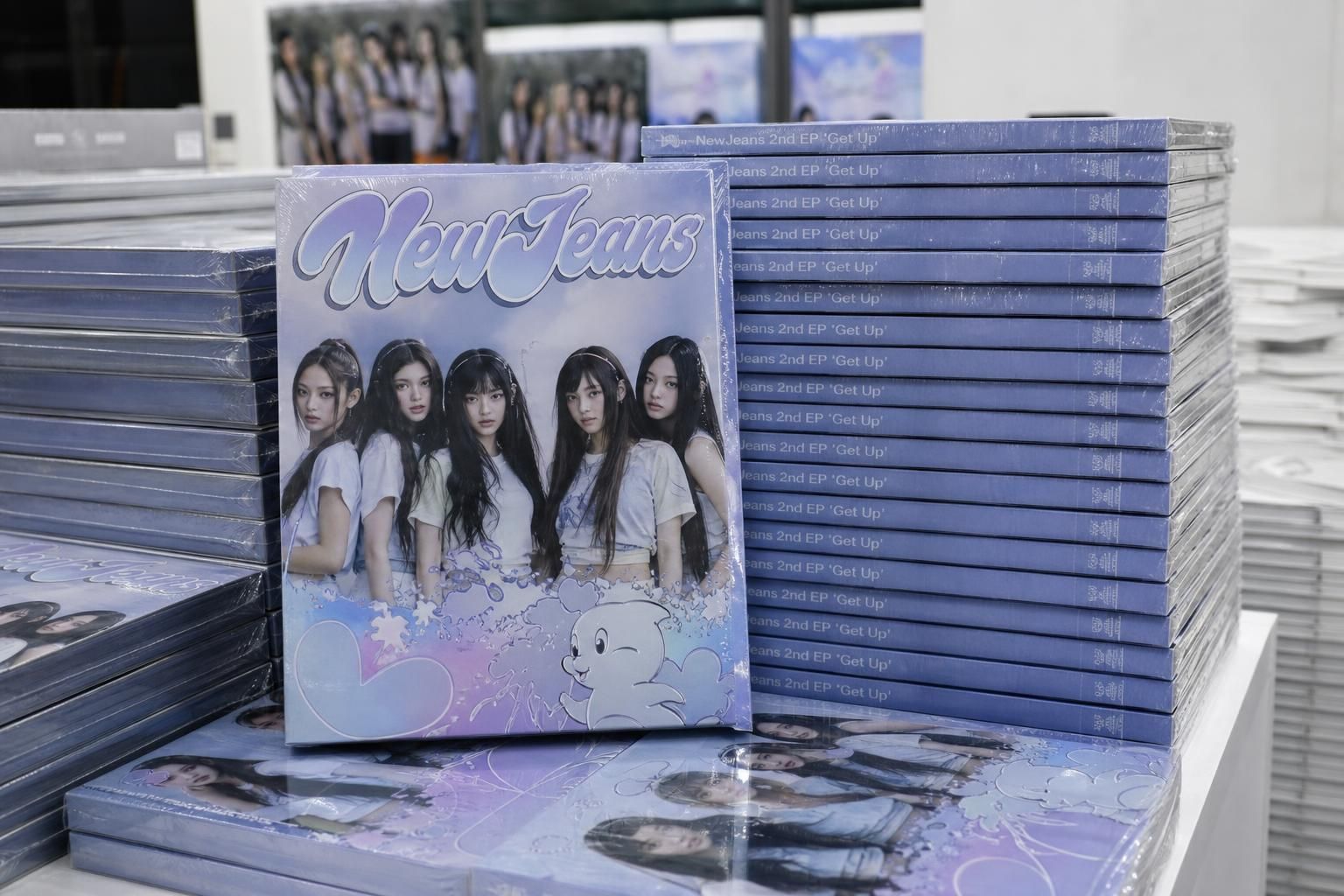
While the report does not claim the entire inventory stems from a single release, it points to the group’s 2023 mini album Get Up as a key contributor to the remaining stock. During a dispute between HYBE and former ADOR CEO Min Hee Jin, HYBE argued that the company had more than one million copies of Get Up still unsold. In that context, HYBE alleged 3.5 million copies were produced and that approximately 1.61 million copies remained in inventory as of 2024.
By comparison, Get Up reportedly sold more than 1.6 million copies in its first week. That contrast—strong initial sales followed by a later inventory buildup—suggests the supply produced for momentum during peak fan demand did not fully convert into longer-tail sell-through.
Inventory turnover suggests a growing cash-conversion problem
Beyond the raw size of the inventory, the report highlights how slowly it is now moving. Inventory turnover—an indicator of how quickly a company sells and restocks its inventory—fell sharply. ADOR’s inventory turnover reportedly dropped from 4.74 times in 2024 to just 0.72 times in 2025.
In practical terms, the average number of days needed to sell inventory expanded dramatically, from 77 days to 504 days. That steep deterioration implies ADOR may be tying up capital in product that is no longer rotating quickly enough to support efficient financial performance.
Broader asset decline raises the stakes
The inventory issue is occurring alongside a broader deterioration in ADOR’s overall balance sheet. The report states that ADOR’s assets fell from ₩96.0 billion KRW (about $63.4 million) to ₩78.4 billion KRW (about $51.8 million) over the same period.
As inventory becomes a larger share of a smaller asset base, the company may face increasing scrutiny about whether and when it can convert accumulated stock back into cash. The report suggests ADOR will likely need to address impairment risks for accumulated items and pursue new business pipelines to improve capital efficiency.
What happens next for ADOR and NewJeans
With NewJeans constrained by the contractual dispute, the central question for investors and industry observers will be whether ADOR can restore sell-through rates once the group’s release schedule resumes. In cases where product stock remains unsold for long periods, write-downs and impairment charges can become unavoidable, affecting future profitability regardless of initial demand.
The situation also underscores a broader structural issue in the K-pop album ecosystem: large-scale production can be financially manageable when release cycles are frequent, but it becomes riskier when momentum stalls. For ADOR, the next developments likely hinge on the resolution of legal and management disputes, the timing and scale of any future NewJeans comeback, and whether new releases can quickly reduce inventory levels accumulated during the slowdown.



Join the Conversation
Log in to share your thoughts and join the conversation with other fans.
Moments like this feel really warm for fans. Hope they get to enjoy every bit of it.
the album stockpile part is wild. It really shows how messy the business side can get behind all the polished comeback visuals.