

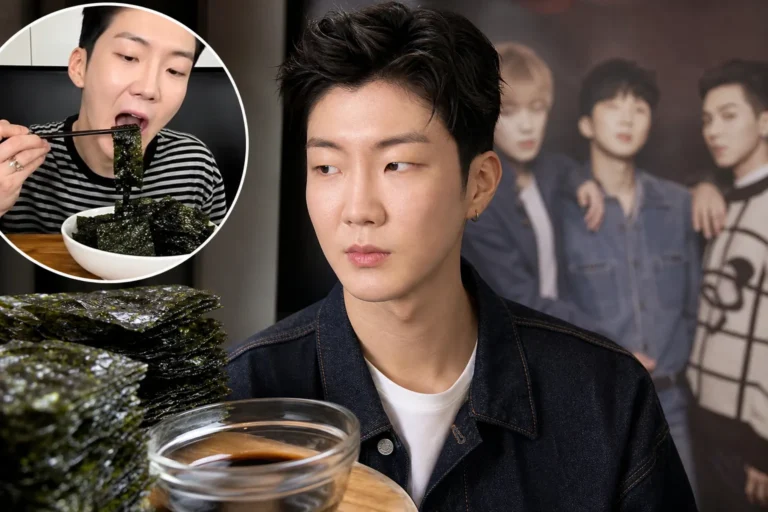
WINNER’s Lee Seung Hoon has become the center of an unexpectedly busy online conversation after a casual mukbang-style clip of him eating pollack-roe seaweed spread across social media. The video, which was posted with a purchase prompt directing viewers to a profile link, drew millions of views and quickly moved beyond ordinary food-content chatter into a broader debate about idols, side ventures, and what fans expect from artists between major group activities.
According to the report, the clip showed Lee eating the seaweed product in a straightforward promotional format. The attention came not only from the food itself, but from the contrast between his established image as a member of WINNER and the direct sales language attached to the post. For some viewers, the moment felt light, funny, and in line with the increasingly personal way celebrities use social platforms. For others, it raised uncomfortable questions about why a well-known idol was presenting a product in such an informal commercial style.
The divided response reflects a familiar tension in K-pop fandom. Idols are expected to remain visible and relatable, but they are also often judged when that visibility looks too casual, too commercial, or too far removed from the polished stage image that built their public profile. Lee Seung Hoon’s clip landed directly in that gray area: not a scandal in the traditional sense, but a small online moment that became a referendum on career direction, group activity, and fan attachment.
A Viral Clip Turns Into a Larger Conversation
The source article notes that the video had surpassed four million views and continued to circulate across platforms. That kind of reach can transform even a brief food clip into a public talking point, especially when the subject is an idol from a long-running group with a dedicated fanbase. In this case, viewers did not only react to the seaweed. They interpreted the clip through the larger story of WINNER’s recent pace, the members’ individual schedules, and the uncertainty that fans often feel during quieter periods for veteran groups.
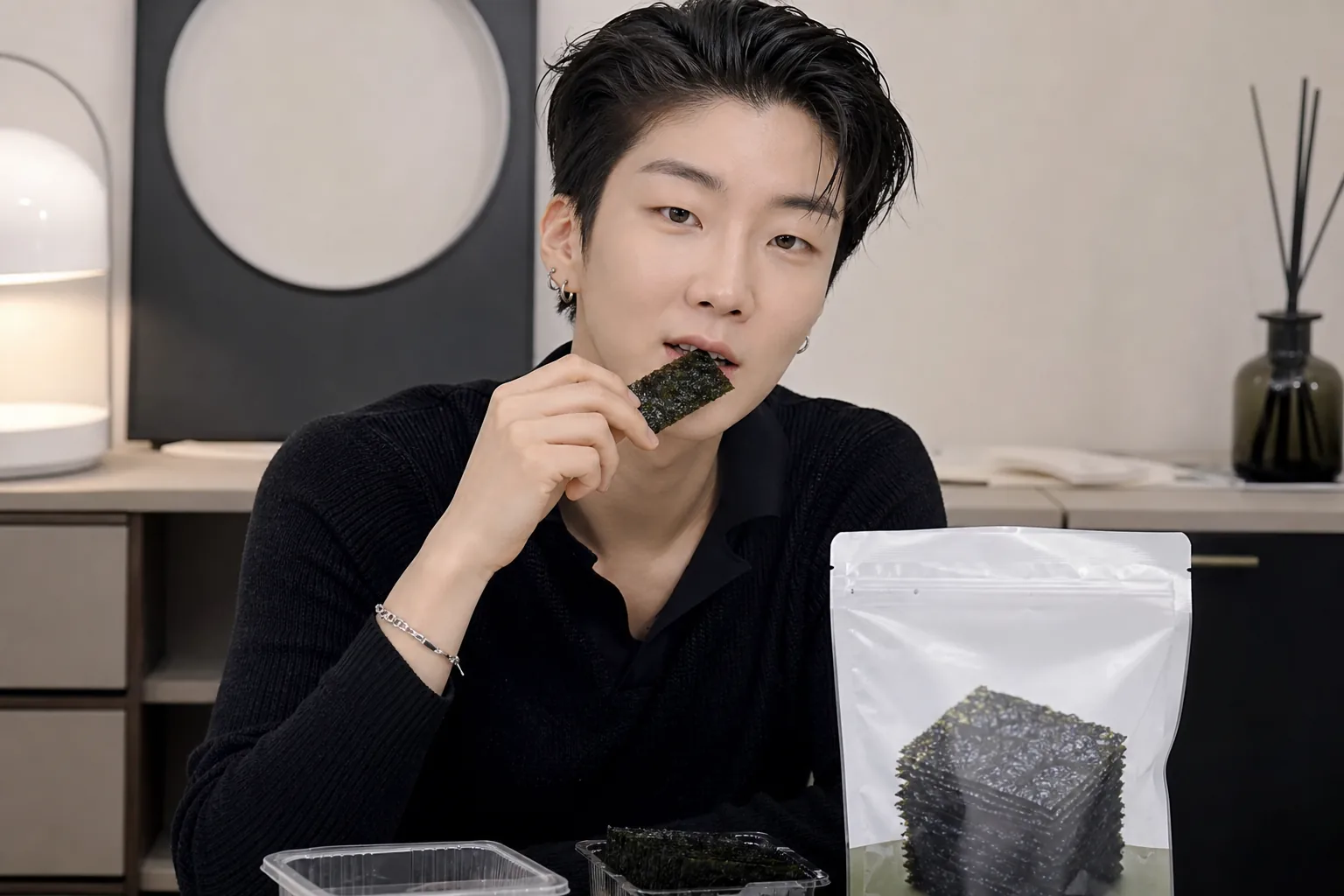
Some reactions framed the post as a sign that fans wanted more music, concerts, or group activity rather than product-focused content. Others pushed back on that reading, arguing that Lee was simply enjoying a new kind of work and should not be treated as though a viral sales clip reflected financial trouble or artistic decline. That second view emphasized that entertainers today often operate across many formats, from music and television to brand work, livestream-style content, and direct commerce.
What makes this discussion notable is the speed with which a harmless-looking clip became symbolic. A short video about food was interpreted by some as a comment on WINNER’s status, by others as evidence of Lee’s sense of humor, and by still others as a reminder that K-pop idols are increasingly expected to manage their own visibility outside the traditional comeback cycle. The actual content was simple; the meaning projected onto it was not.
Why Fans Read More Into Idol Side Projects
For veteran K-pop groups, public perception is often shaped as much by pauses as by promotions. When group releases slow down, every individual appearance can feel loaded. Fans may welcome solo activity, but they can also worry that it signals distance from the group. That is why a product-link caption can prompt reactions that go far beyond whether viewers like the item being promoted. It touches on questions about momentum, management, and whether the artist is being supported in the way fans hoped.
Lee Seung Hoon’s case also shows how social commerce has changed celebrity communication. A decade ago, an idol selling a product might have appeared in a formal advertisement or variety-show segment. Now, the same promotional purpose can appear as a casual clip that looks closer to everyday creator content. That shift can make celebrities feel more accessible, but it also blurs the boundary between personal updates and advertising. Fans who accept that blend may see the clip as playful. Fans who prefer clearer separation may find it jarring.
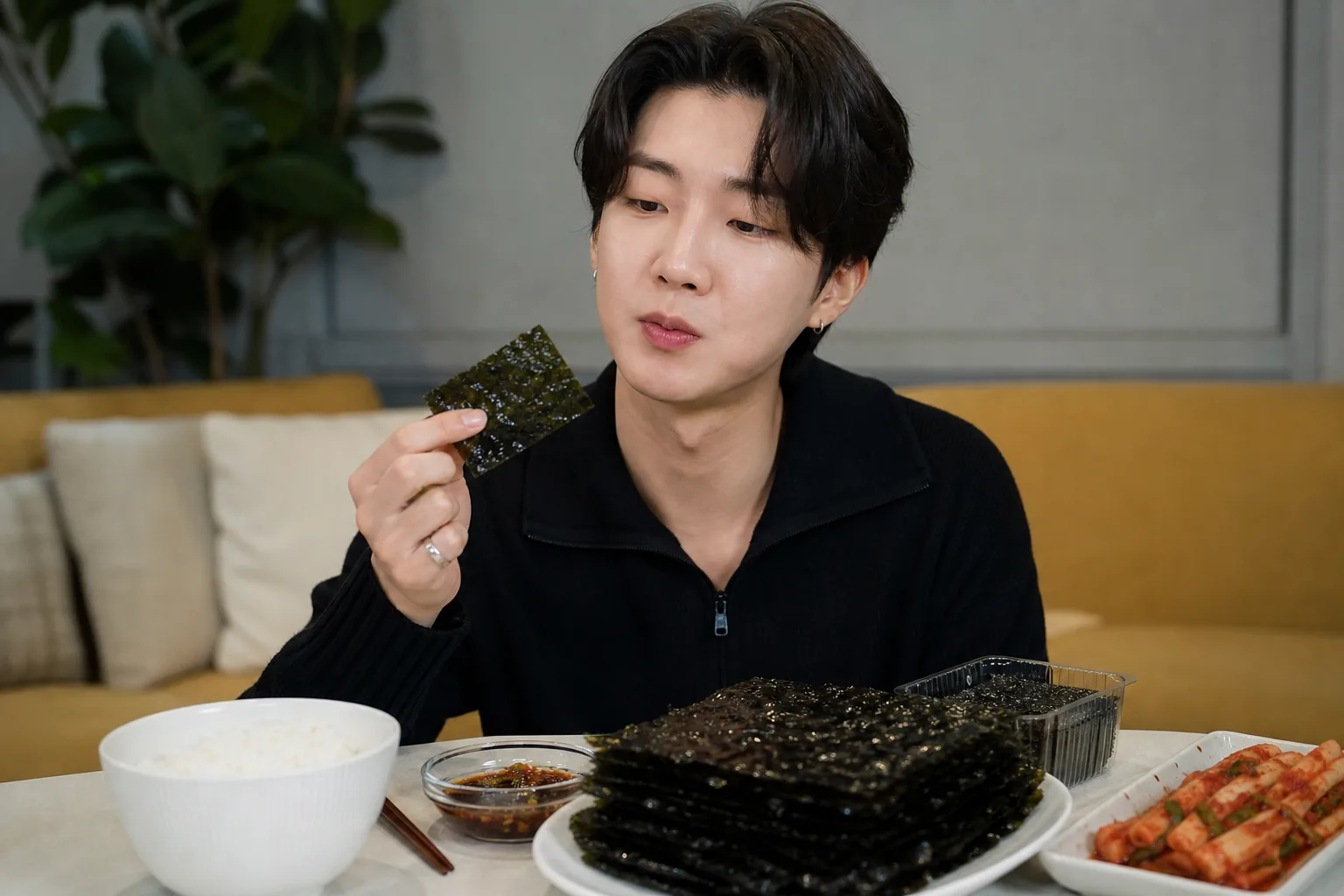
There is also a generational change in what counts as respectable celebrity work. Many younger viewers are accustomed to artists, actors, athletes, and creators using social media storefronts, affiliate links, and short-form videos as part of a wider career. More traditional fans may still associate idols primarily with albums, stages, fan meetings, and broadcast appearances. Lee’s viral clip sits at the intersection of those expectations, which helps explain why reactions were not uniform.
The debate does not appear to have damaged Lee in any definitive way, but it does underline how closely fans watch the choices of established idols. Even when the subject is as ordinary as a snack, the surrounding context can turn ordinary content into a larger conversation about image, labor, and the changing economics of Korean entertainment. For Lee Seung Hoon, the immediate result was visibility. For fans, it became another chance to negotiate what they want from idols who are no longer limited to the classic album-and-stage model.
Ultimately, the response says less about seaweed than about the evolving relationship between K-pop artists and their audiences. Fans want authenticity, but they also want polish. They want idols to be free to try new things, but they still measure those choices against group history and emotional investment. Lee’s viral mukbang clip became a talking point because it touched all of those contradictions at once.

Join the Conversation
Log in to share your thoughts and join the conversation with other fans.