
SBS Dating Show ‘Love Against Time’ Draws Attention for Terminal Illness Premise

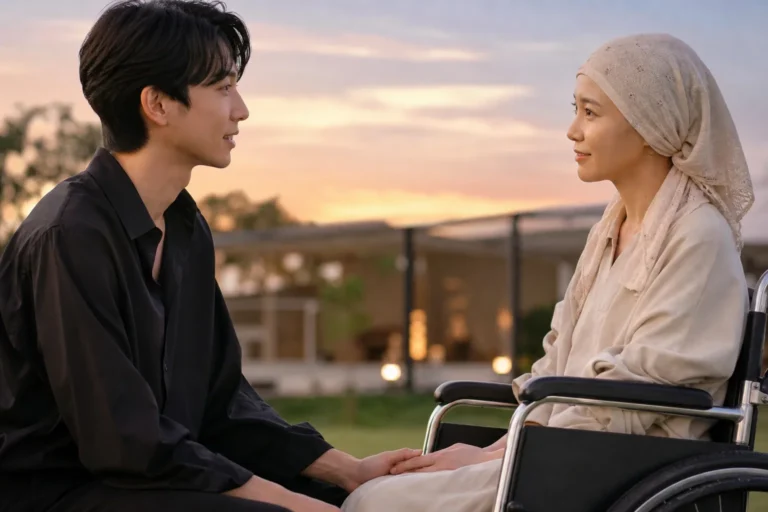
SBS is preparing to launch a dating reality program built around one of the most delicate premises Korean entertainment has attempted in recent years. Love Against Time, an upcoming show about young adults who have either received terminal diagnoses or lived through life-threatening illnesses, has quickly become a talking point online ahead of its premiere.
According to early details reported by Korean entertainment media, the program follows contestants in their 20s and 30s as they meet potential romantic partners while carrying the experience of having confronted mortality at a young age. The central question behind the production is direct: if a person believed their time was limited, who would they choose to love?
The premise immediately separates Love Against Time from the polished flirtation, competitive dates, and slow-burn confession formats that have defined many recent Korean dating shows. Rather than simply asking whether two people can become a couple, the show appears to frame romance as a question of urgency, honesty, and what people decide to prioritize when ordinary assumptions about the future no longer feel guaranteed.
SBS has also introduced a celebrity panel that connects the program to both drama and idol audiences. The MC lineup includes actress Lee Se Young, CNBLUE’s Jung Yong Hwa, SEVENTEEN’s DK, and Choi Yena. Their presence gives the show familiar faces for viewers, but it also raises the expectation that the panel will need to respond with more restraint than the playful commentary often heard on dating programs.

A Format Built Around the Idea of Time
One of the show’s most distinctive elements is a matching system in which contestants exchange “time” with one another each night. The production team has not fully explained how that device will work on screen, but the wording suggests that time will function as both a symbolic theme and a practical part of the program’s romantic choices.
That design choice is likely to be central to how viewers judge the show. In a typical dating series, a gimmick can add suspense or encourage contestants to make decisions. Here, however, the use of time carries heavier emotional weight because the participants’ personal histories are tied to illness, fear, survival, and uncertainty. If handled carefully, the device could make the contestants’ choices feel more sincere. If handled poorly, it could risk making private pain feel like a format hook.
Director Lee Eun Sol, who previously worked on SBS’s Possessed Love, has described the goal as showing how people who understand life’s limits can still love sincerely and passionately. That framing presents Love Against Time less as a shock concept and more as a relationship program about people who have been forced to think about life differently from many of their peers.
The show’s early viral attention shows how quickly audiences recognized both sides of the concept. Some viewers expressed surprise at how bold Korean dating show ideas have become, while others questioned whether a reality program can responsibly center people whose health stories may be deeply personal. The reaction has not been only about curiosity; it has also been about trust.
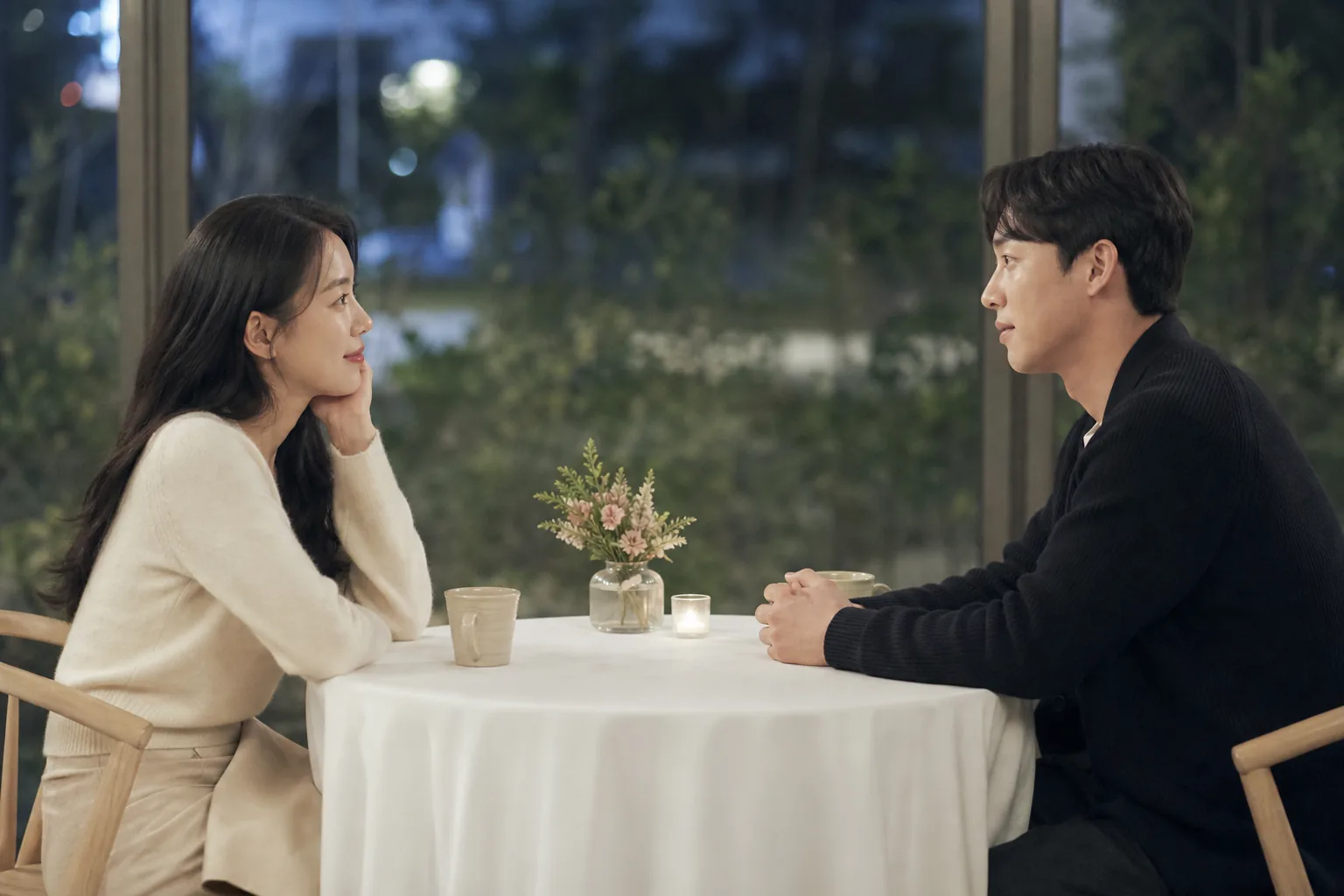
Why the Response Is Already Complicated
Korean reality dating shows have become increasingly specific in their premises, from divorced singles seeking a second chance to contestants navigating social experiments, identity reveals, or unusual matching rules. Love Against Time arrives in that environment, but its subject matter makes the usual entertainment calculus more complicated.
For SBS, the challenge will be tone. A program like this cannot rely only on cliffhangers, reaction shots, or emotional music without inviting criticism. Viewers will likely pay close attention to whether contestants are given agency over how their medical histories are discussed, whether the editing respects their boundaries, and whether romance remains the focus instead of reducing participants to diagnoses.
At the same time, the show could resonate if it gives participants room to be seen as full people rather than symbols of tragedy. Dating, humor, awkward first meetings, attraction, disappointment, and hope can all exist alongside serious illness. The strongest version of the format would allow those ordinary human moments to remain intact instead of making every scene about sadness.
The casting of idols and actors as panelists may also influence how the program is received internationally. Fans of Jung Yong Hwa, DK, Choi Yena, and Lee Se Young are likely to bring additional attention to the premiere, especially on social platforms where clips from Korean dating programs often circulate far beyond their original broadcast audiences.
Love Against Time is scheduled to premiere on August 3 at 10 p.m. KST. Until then, much of the discussion will remain speculative. The premise has already done what a new reality show needs to do by making people notice it. The harder task will be proving that the attention is matched by care, clarity, and respect for the participants whose stories are at the center of the series.
Join the Conversation
Log in to share your thoughts and join the conversation with other fans.