

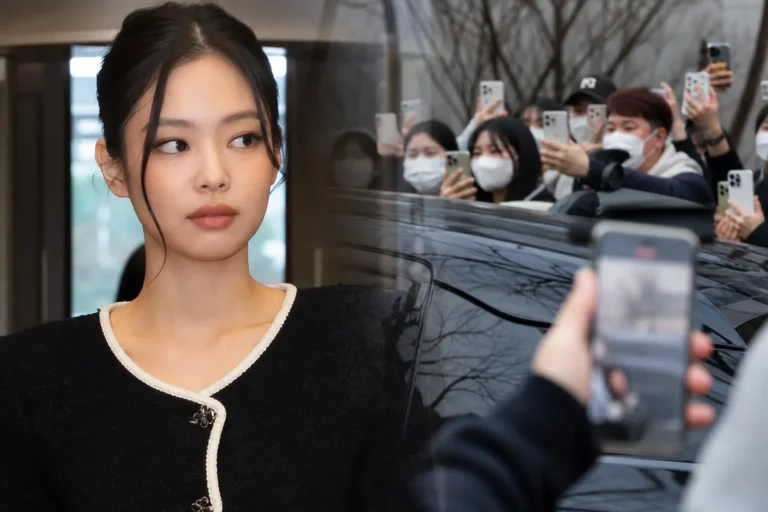
A viral video showing a YouTuber visiting BLACKPINK member Jennie’s agency has prompted a new wave of criticism from K-pop fans, with many arguing that the clip crossed the line from admiration into behavior that put an idol’s privacy at risk.
According to a report by Koreaboo, the YouTuber, known online as potatoturtleee, uploaded footage of herself going to ODD ATELIER, the agency associated with Jennie. In the video, she rang the agency’s doorbell and asked whether Jennie was there. After being told Jennie was not available, she asked whether a letter and bouquet could be passed along to the singer.
The YouTuber framed the visit as a nervous but sincere attempt to deliver a message to Jennie. She acknowledged that the act could be viewed as a nuisance, but said she had gathered the courage to go to the company and hoped the letter would reach the artist.
Why Fans Reacted So Strongly
The criticism was swift because the incident touched one of K-pop’s most sensitive issues: sasaeng behavior, a term commonly used for obsessive fan conduct that invades celebrities’ private space. While the video did not show an attempt to enter a private home, many viewers argued that visiting an idol’s agency uninvited still encourages a culture in which fans feel entitled to direct access.

Some online reactions described the clip as uncomfortable to watch, while others warned that even a seemingly harmless gift delivery can become dangerous if repeated by people seeking attention, contact, or viral content. The strongest criticism centered on the possibility that the video could normalize showing up at agency buildings as a fan activity.
The debate also reflects a broader shift in the way fan gestures are received when they are filmed for social media. A private letter or bouquet might once have been understood as a personal expression of support. When the act is packaged as a public video, however, viewers may read it as content built around approaching an artist’s professional space.
The Content Problem Behind Fan Access
Jennie is among the most globally visible K-pop artists, and BLACKPINK’s fandom is enormous. That level of fame makes ordinary boundaries more important, not less. Agencies, security teams, and artists have repeatedly had to manage situations where fans wait at airports, hotels, company buildings, restaurants, or other places not intended for fan interaction.
In this case, the video drew additional attention because the YouTuber had previously been noticed for holding up a sign asking Jennie to have coffee with her. For critics, the agency visit appeared to extend that same one-sided pursuit into a more direct setting. Even if the fan did not intend harm, the pattern raised concerns about how public displays of devotion can become pressure on the artist.
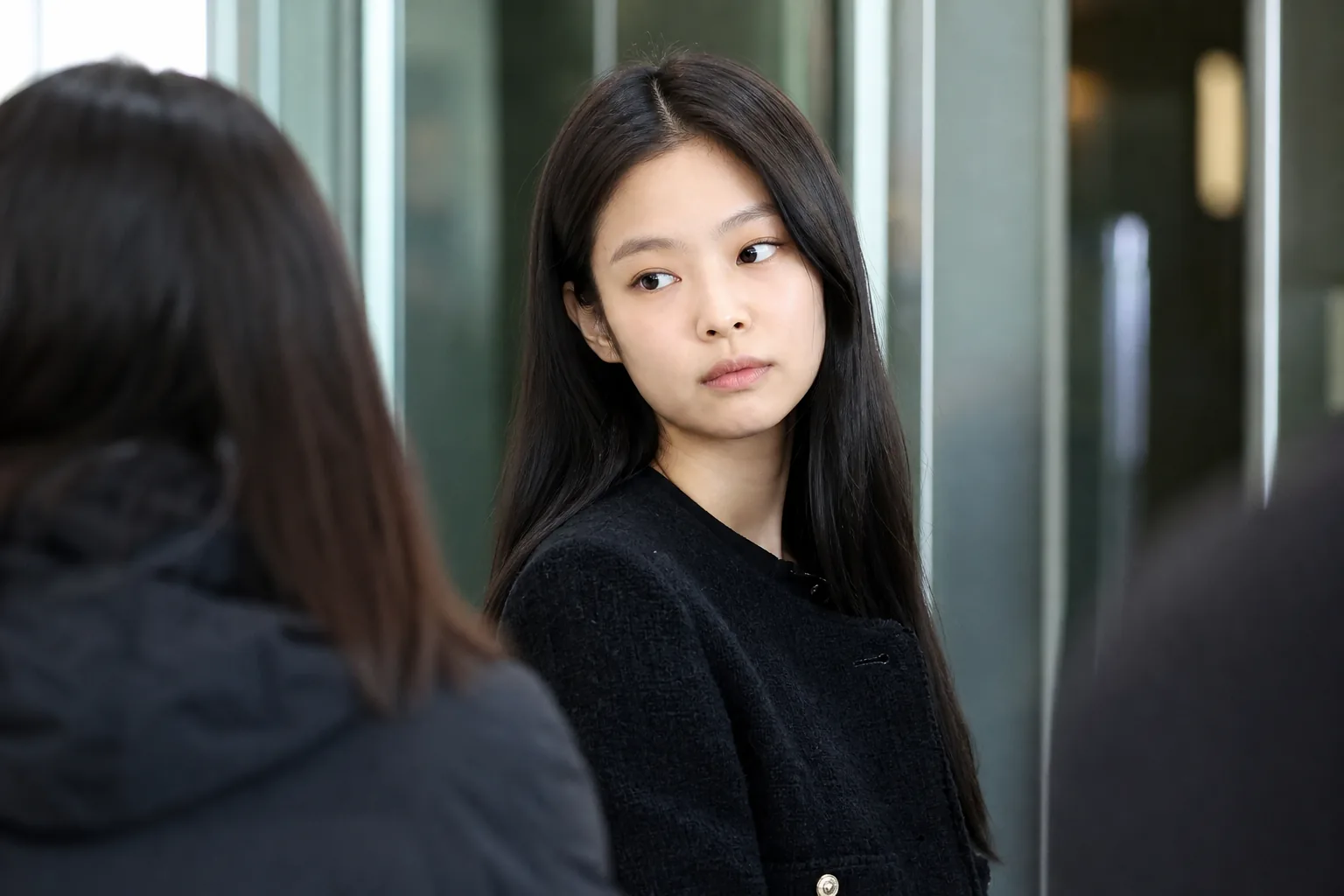
The report noted that some viewers also questioned whether parts of the video were staged. That possibility did not calm the backlash. For many fans, staging would still be a problem if the concept relied on imitating behavior that resembles boundary-crossing fan conduct. The concern was less about whether Jennie was actually reachable and more about the message the video sent to an online audience.
The original video has since been deleted, according to the report. Its removal suggests that the criticism reached the creator quickly, but it does not erase the larger discussion. K-pop fans often police their own communities, especially when they believe individual creators are turning fandom into a performance that could make idols less safe or less comfortable.
A Boundary That Keeps Getting Tested
For artists, agencies are workplaces. They are not fan meeting venues, and they are not public drop-off counters for personal gifts unless an agency clearly provides an official process. That distinction matters because idols already operate under intense public scrutiny. When fans show up without permission, staff must decide how to respond while protecting both the artist and the workplace.
The controversy also highlights the complicated relationship between fan culture and platforms that reward intimate-looking content. Viewers may click because they want closeness to a celebrity, while creators may push boundaries to make that closeness appear real. The result can be a cycle in which access becomes the product, even when the artist has not consented to participate.
Jennie has not publicly addressed the incident through the cited report, and there is no indication that she directly interacted with the YouTuber. For now, the story is less about Jennie’s response than about the reaction from fans who believe support should remain respectful, organized, and within official channels.
The backlash shows that many K-pop fans are increasingly unwilling to excuse boundary-pushing behavior just because it is presented as affection. In a fandom environment where visibility can turn almost any gesture into content, the clearest standard may also be the simplest: admiration should not require approaching an artist’s workplace uninvited.
Join the Conversation
Log in to share your thoughts and join the conversation with other fans.