
HYBE’s “Generation Shift” Meets Backstage Reality: Rookie Hype, New Fan Demographics, and a Health Wake-Up Call in K-Pop

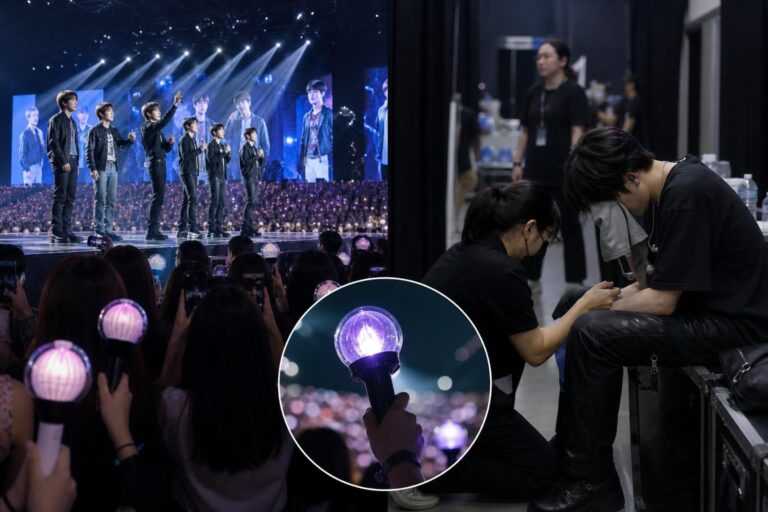
K-pop is once again showing two sides of its fast-moving machine: a new wave of fandom momentum and the persistent physical toll on performers. In recent days, HYBE’s rookie boy group CORTIS has drawn widespread attention after reportedly strong domestic pre-sale performance for an upcoming 2026 tour, with fans and commentators debating what the results say about the company’s long-discussed “generation shift.” At the same time, NMIXX’s Sullyoon has sparked renewed concern after explaining that she went on stage while dealing with severe back pain—an episode that reignited arguments about idol health, scheduling, and the line between perseverance and risk.
CORTIS pre-sale results intensify the “generation shift” debate
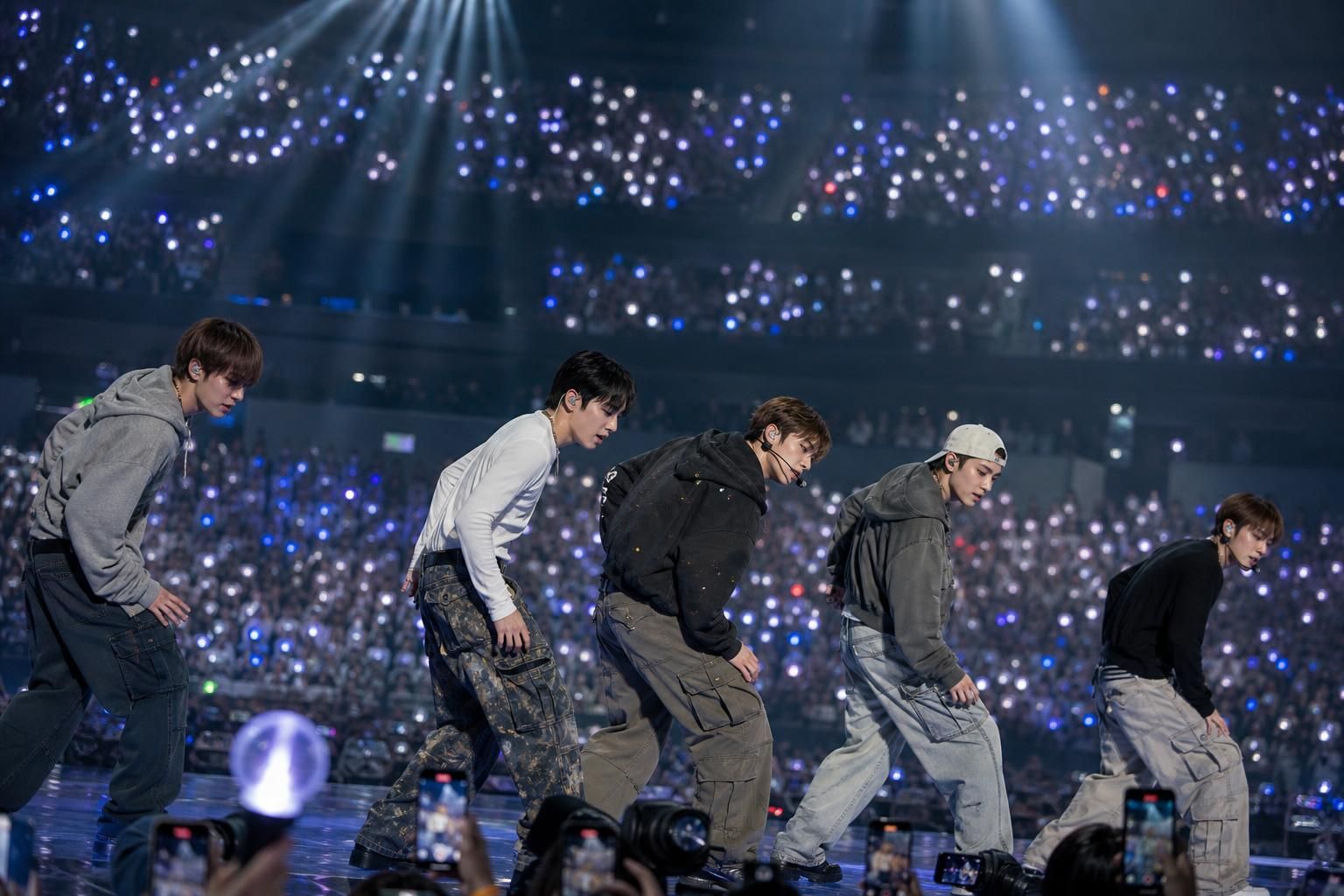
According to ticketing statistics shared online and reported by Koreaboo, CORTIS’s domestic pre-sale for their “2026 CORTIS TOUR <PUT YOUR PHONE DOWN>” reportedly sold out ahead of the wider run. The tour is scheduled for 13 performances spanning Seoul, Japan, Canada, and the United States, with Seoul standing and seated tickets priced at ₩143,000 (about $94.20).
But the more controversial—and heavily discussed—part was the demographic snapshot. The reported figures show that women accounted for 89.3% of domestic pre-sale buyers, while men made up 10.7%. Age distribution reportedly tilted heavily toward younger audiences: fans in their 20s represented 52.7%, teenagers 27.1%, and those in their 30s 12.4%. Older age brackets were smaller, with 40s and 50s together at 5.4% (3.6% and 1.8%, respectively).
On Korean social platforms, many users interpreted these numbers as evidence that HYBE’s strategy is landing with the next generation of listeners. Some commenters connected the demographic outcome to CORTIS’s concept positioning—described in coverage as trendier and less “conventional idol-like.” Others, however, pushed back on the tendency to judge popularity through age and gender alone, arguing that the obsession with fandom metrics can obscure the simpler question of whether the music and performances resonate.
Still, the overall takeaway from online discourse is clear: the speed of CORTIS’s growth is prompting closer scrutiny. Even those who were not primary fans appeared more likely to consider attending after the ticketing news circulated widely, suggesting that buzz—not just established fanbase size—is functioning as a growth lever.
Sullyoon’s explanation highlights the pressure idols face when hurt
While CORTIS’s pre-sale conversation reflects K-pop’s commercial velocity, Sullyoon’s episode underscores the human cost that can come with relentless touring schedules. Koreaboo reported that NMIXX’s Sullyoon drew attention after appearing on stage while dealing with severe back pain, leading some fans to question why she didn’t fully stop or receive treatment immediately.
Following the performance, Sullyoon responded via Bubble, explaining that both her company and a hospital suggested she should rest. Despite that advice, she said she still wanted to participate in at least part of the show. She clarified that her choice was not simply about wanting to “push through” at any cost; rather, she said she was concerned that continuing without moderation could affect the rest of the tour. She also said she would sit if the pain increased, and she later described feeling “sad” that she couldn’t perform the way she wanted.
The key point in the explanation is the dynamic between medical guidance and performance obligations. Even with a plan to minimize harm—performing while seated as needed—the visibility of her discomfort became a flashpoint. Afterward, many fans intensified their concern, urging her to prioritize recovery and criticizing others who appeared to frame her decisions as fair game for online judgment.
At the same time, there was also pushback against “blame culture.” Several commenters defended Sullyoon, arguing that harsh criticism of either the idol or the company was misplaced, given that decisions around stage participation can involve competing pressures: contractual commitments, tour schedules, and real-time assessments of pain versus obligation.
Two stories, one question: what should “success” look like?
On the surface, the CORTIS ticketing story and Sullyoon’s health update occupy different parts of the K-pop ecosystem—one about audience capture, the other about performer safety. Yet both point to the same underlying tension: how quickly the industry moves, and how much it expects people to absorb in public.
For HYBE and other agencies, fast-selling tours and visible fandom demographics can validate creative and marketing direction. The CORTIS reporting—particularly the strong share of young buyers—fits into a larger narrative that K-pop companies are recalibrating their outreach and styling to capture younger listeners. Meanwhile, Sullyoon’s case reveals how that public-facing pace translates into real-world consequences when health issues emerge mid-run.
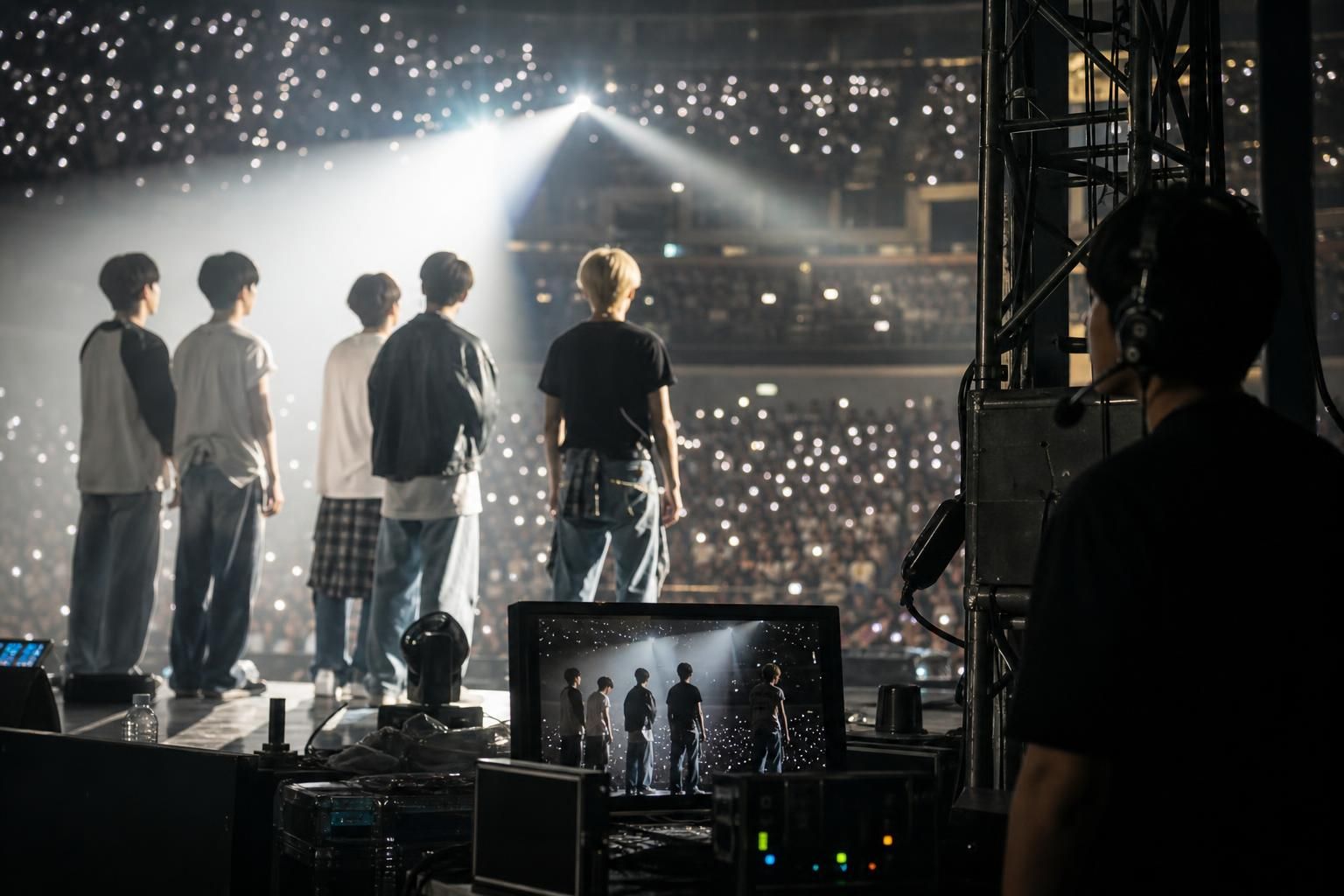
The difference is the lens. Ticketing statistics invite celebration and strategic interpretation. Pain on stage invites moral debate about responsibility. In practice, both are shaped by the same spotlight: in today’s K-pop economy, fandom attention can accelerate opportunities—and amplify scrutiny at the moments when performers are most vulnerable.
Importantly, Sullyoon’s account also suggests nuance: it is not necessarily a binary choice between “rest” and “perform.” Her statement implies active decision-making under constraint, including professional advice, a modified staging plan, and a concern for the remainder of the tour. That nuance can get lost when social media reduces events into simplified narratives of “good endurance” versus “bad judgment.”
What to watch next
For CORTIS, the immediate watch item is whether the reported momentum sustains across other legs of the tour and into international markets. If the company’s approach to domestic/global pre-sale scheduling continues to drive measurable results, the “generation shift” discussion may broaden into a wider industry benchmark—especially among groups aiming to rebuild attention around younger audiences.
For NMIXX and Sullyoon specifically, the next chapter depends on health outcomes and whether the group adjusts schedules or activities in response to treatment. Fans will likely focus on updates about recovery, performance capacity, and how agencies communicate medical timelines. More broadly, the incident could further inflame—or potentially improve—public debate about idol health practices: when companies decide to encourage partial performance versus full rest, and how they handle medical guidance when the spotlight is hardest.
Together, these stories show that K-pop’s present is being written not only by chart momentum, but by the everyday decisions made behind the stage curtain. The question facing fans and agencies alike is whether the industry can keep chasing growth without normalizing risk as part of the job.



Join the Conversation
Log in to share your thoughts and join the conversation with other fans.
This has such a bright feeling around it. It is nice seeing fans get something to be excited about ✨