

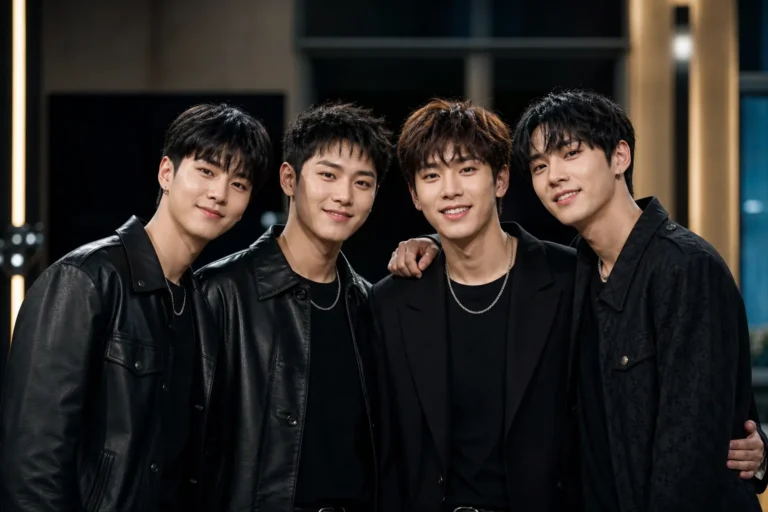
Click-B’s return as a complete group on KBS 2TV’s Happy Together – Glad I’m Not Alone became more than a nostalgic television moment after member Oh Jong Hyuk revealed that a private rift had kept him and No Min Hyuk apart for years.
According to the broadcast covered by Koreaboo, the July 10 episode featured all seven members of the first-generation boy group performing together on stage for the first time in 11 years. The reunion immediately drew surprise from the studio panel, including Yoo Jae Suk, Yoon Jong Shin, Jang Hang Joon, and special MC Lee Hyori, who shared history with the group through the same agency era.
The emotional center of the segment came when Oh Jong Hyuk explained why the full lineup had taken so long to stand together again. He said that he and No Min Hyuk had not been seeing each other, and that a difference in values during their long period of activity had grown into conflict. Pride, he indicated, turned that conflict into a much longer silence.
A Reunion Built on More Than Nostalgia
For many K-pop fans, reunion stages are often treated as simple celebrations of the past: the old choreography, the familiar chorus, and the shock of seeing a once-active lineup back under studio lights. Click-B’s appearance carried that surface appeal, but Oh’s admission gave the performance a more complicated and human frame.
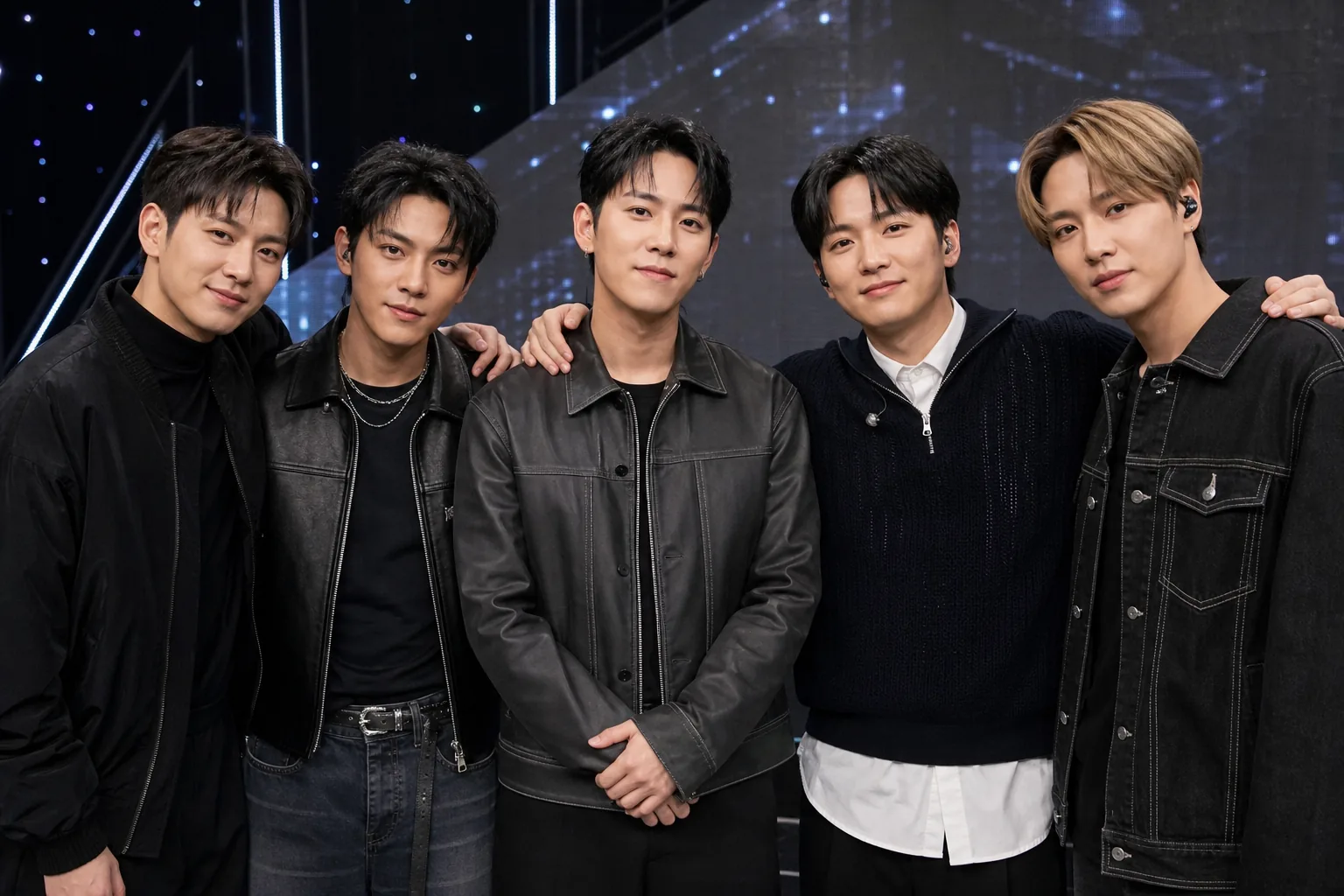
Oh described the group’s other members as having tried to repair the relationship over time. Their message, as he recalled it, was direct: if the members did not meet now, the chance might never come again. That pressure appears to have shifted the reunion from a sentimental booking into a personal turning point for the group.
The striking part of the account is how quickly the years of distance ended once the two members finally met. Oh said the matter was resolved within 15 minutes. Yoo Jae Suk responded with empathy, observing that after enough time passes, what once felt large can seem much smaller in hindsight.
Why the Moment Resonated
Click-B debuted during an era when idol groups were still helping define what modern K-pop variety appearances, fandom, and performance cycles would become. For a group from that generation, a full-stage reunion is not only about showing that the songs remain recognizable. It also reminds viewers that idol careers are shaped by ordinary pressures: disagreement, exhaustion, pride, and the difficulty of returning to people after time has passed.
The members performed their hit song “Undefeatable”, a track associated with their peak popularity and chart success. The performance reportedly drew cheers, while the panel praised the group’s current presence. Lee Hyori said the members looked even cooler now, and Yoon Jong Shin commented that their gaze toward the song had become more serious.
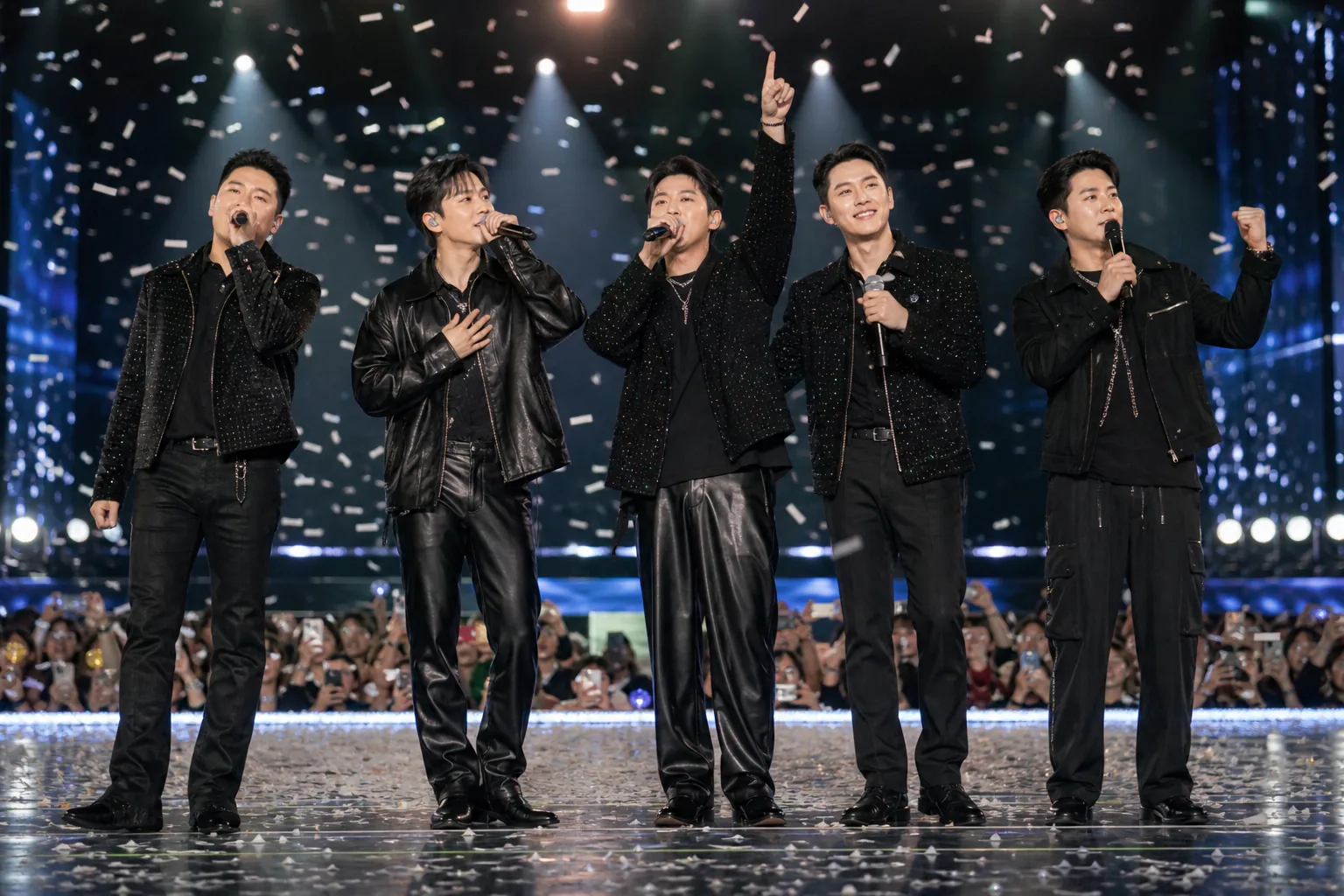
Those reactions point to why veteran idol reunions often land differently from standard comeback promotions. The appeal is not only technical sharpness or visual familiarity. It is the sense that performers are carrying their younger selves, their public memories, and their private histories onto the same stage at once.
In that context, the short reconciliation between Oh Jong Hyuk and No Min Hyuk becomes central to the story. A decade-long silence could have remained an unseen reason for why a full-group appearance never happened. Instead, the members addressed it, moved past it, and allowed the performance to stand as evidence of repair rather than just remembrance.
The broadcast also arrives at a time when older K-pop groups continue to find new audiences through reunion stages, anniversary projects, and variety programs built around generational memory. These appearances can introduce younger viewers to acts they may know only by name, while giving longtime fans a chance to see unfinished emotional threads tied up in public.
Click-B’s segment did not present reconciliation as dramatic spectacle. Its impact came from the opposite: a frank explanation, a surprisingly brief conversation after years of avoidance, and a performance that followed. That simplicity may be why the moment traveled beyond a standard variety-show clip and became a talking point among entertainment viewers.
Join the Conversation
Log in to share your thoughts and join the conversation with other fans.