
Korean Screen Stars Turn To Theater As Stage Productions See New Momentum


Korean entertainment is seeing a noticeable movement from screens to stages, as actors known from television, film, and idol careers take on theater roles and help bring renewed attention to live performance. A KBS report highlighted the trend, noting that familiar names are increasingly appearing in plays at a time when the stage industry is looking for both artistic energy and broader public visibility.
Among the examples is Choi Sooyoung, the Girls’ Generation member and actress, who is appearing as Portia in “The Merchant of Venice.” The role places her in one of Shakespeare’s most recognizable works and requires a different kind of command than camera acting: sustained voice, timing, movement, and emotional continuity in front of a live audience. According to the report, Sooyoung has described Portia as one of her favorite female characters in Shakespeare, making the offer especially meaningful.
Cha In-pyo, long associated with Korean television, has also stepped onto the stage in “Dead Poets Society” as teacher John Keating. For a performer with decades of screen recognition, the role marks a different kind of challenge. Theater offers no retakes, no close-up editing, and no ability to rely on camera framing to direct a viewer’s attention. It asks actors to hold the room in real time.
Why Screen Actors Are Choosing The Stage
The shift is not only about individual artistic curiosity. KBS pointed to changes in the broader production environment, including the contraction of some drama and film opportunities amid shifts in broadcasting, streaming, and content investment. When screen schedules become less predictable, theater can become a practical and creative outlet for actors who want to keep working, stretch their range, and stay visible to audiences.
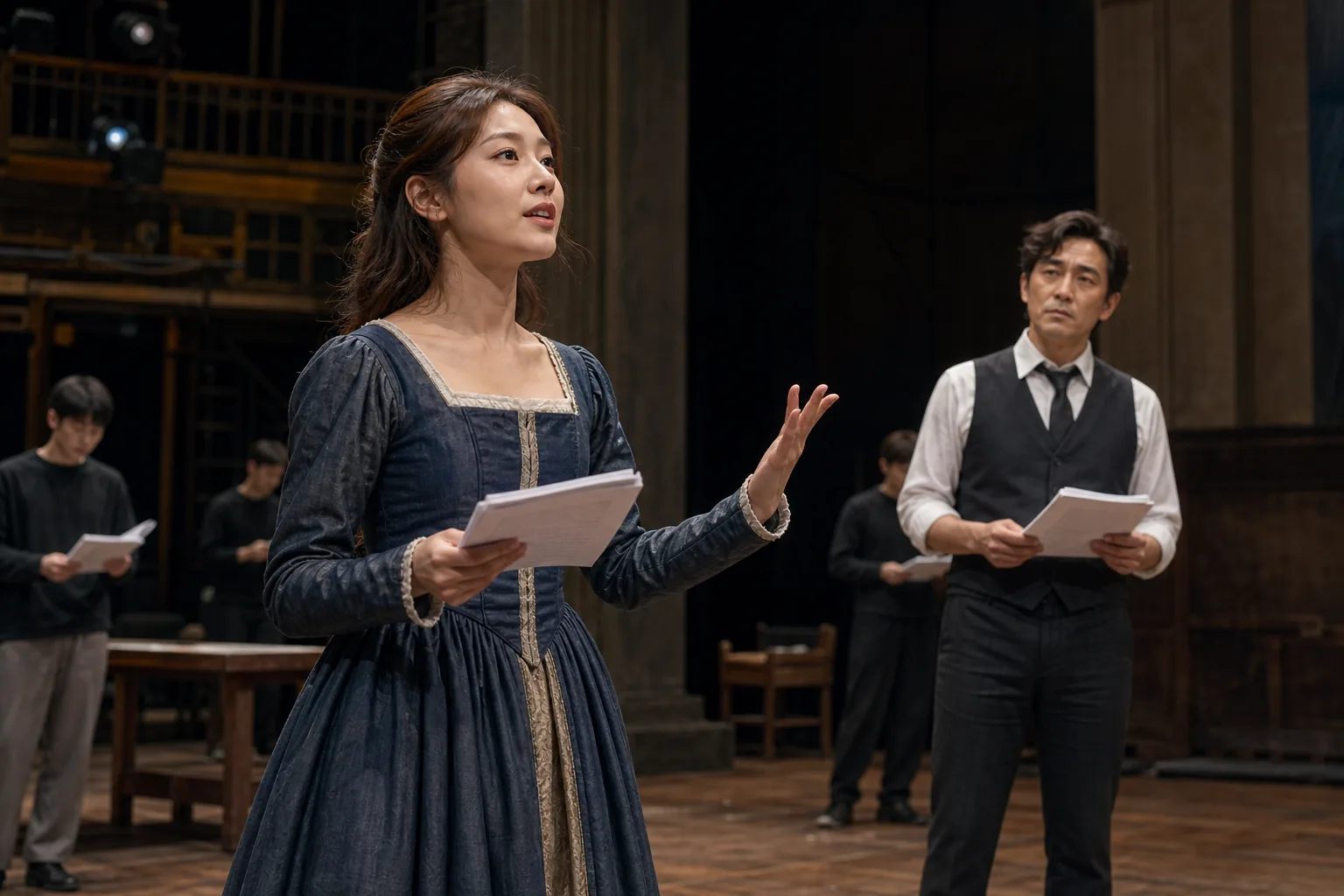
That does not mean stage work is a fallback. For many actors, theater is a demanding test of fundamentals. A performer who is already famous on screen still has to earn the trust of theatergoers through projection, precision, and consistency across every performance. The rehearsal process is also different: long preparation, ensemble timing, and direct contact with an audience can reshape how an actor approaches character work.
The current wave also includes performers who bring different fan communities into the theater. Idol-turned-actors can introduce younger audiences to classic plays, while veteran drama stars can draw viewers who may not regularly buy theater tickets. That crossover effect matters because live performance often depends on habit; once new audiences enter a venue for a familiar name, some may return for other productions.
A Boost For The Theater Market
The report cited a sharp rise in first-quarter theater ticket sales compared with the previous year, suggesting that star casting and heightened public attention are arriving at a commercially important moment. Ticket sales alone do not capture the full health of the stage scene, but the increase signals that audiences are responding to a broader and more visible lineup of productions.
For production companies, casting well-known screen actors can reduce marketing risk. A recognizable name gives a play a clearer promotional hook and can help it compete in a crowded entertainment market. The tradeoff is that casting cannot rely on fame alone. Theater audiences are often quick to notice whether a performer has adapted to the stage’s technical demands, especially in classic or dialogue-heavy works.
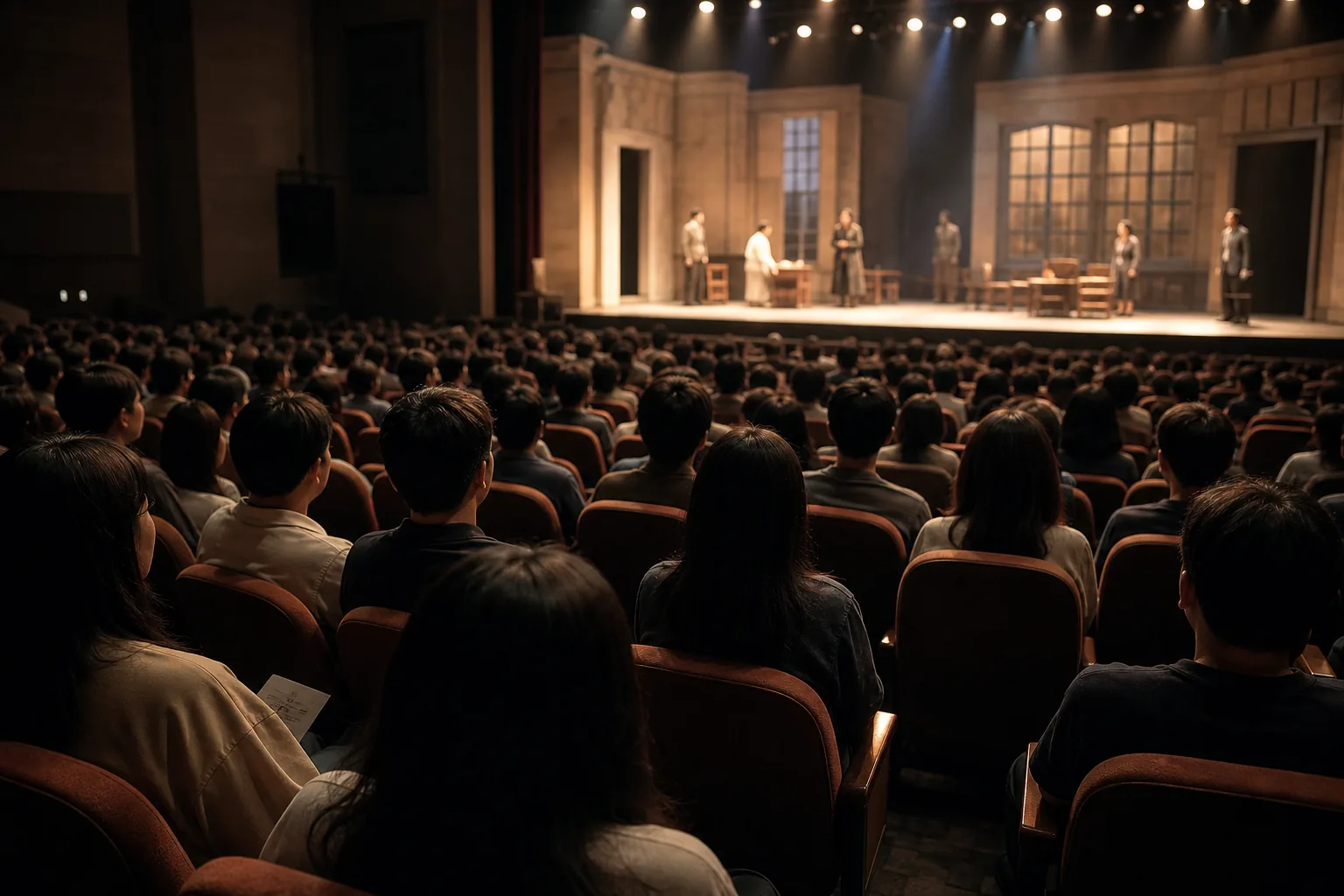
For actors, the benefits can be long-lasting. Theater credits can add depth to a screen career, especially for performers who want to be seen as more than stars of a specific genre or image. A successful stage run can reinforce credibility, while even a difficult one can sharpen skills that transfer back to film and television.
The trend also reflects a wider cultural point: Korean entertainment is no longer moving in a single direction from stage to screen or from idol work to drama. Careers now move across formats, with artists building identities through music, streaming series, films, variety shows, and live performance. That flexibility can be creatively useful, but it also raises expectations. Audiences want star power, yet they also want the craft to match the marquee.
If the current momentum continues, theater may become a more regular stop in the careers of Korean stars rather than an occasional prestige detour. The strongest outcome would be a healthier exchange: screen actors gain new artistic tools, stage companies reach wider audiences, and viewers encounter live performance through artists they already follow.


Join the Conversation
Log in to share your thoughts and join the conversation with other fans.