
Koo Jun-yup Inheritance Share Addressed as Barbie Hsu Estate Case Moves Forward

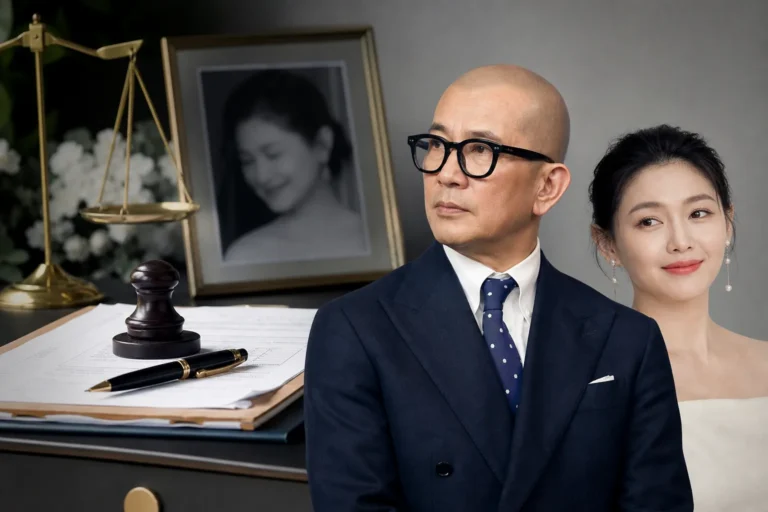
The estate of late Taiwanese actress Barbie Hsu has moved back into the spotlight after reports said her former husband, Chinese businessman Wang Xiaofei, has publicly addressed the inheritance process and Koo Jun-yup’s expected share. Koo, the South Korean singer and DJ known from the duo Clon, married Hsu in 2022 after the two rekindled a relationship that had begun decades earlier.
According to reports from Korean and regional outlets, Wang’s side said it respects the legal arrangement under which Koo is expected to receive one-third of Hsu’s estate, while the remaining two-thirds would be connected to the rights of Hsu’s two minor children. The statement drew attention because Wang and Hsu’s family history has been watched closely across Taiwan, mainland China, and South Korea, especially since Hsu’s remarriage to Koo became a major entertainment story.
A Public Statement Around a Private Estate
The latest reports describe Wang’s position as one of formal acceptance toward Koo’s share, while also emphasizing legal steps related to the children’s inheritance rights. Channel A reported that Wang’s side had begun procedures to protect the minor children’s interests as the estate process moved forward. Maeil Business Newspaper’s English-language report similarly framed Wang’s comments as a response to public speculation around the division of assets.
The matter is sensitive because it sits at the intersection of family law, celebrity grief, and years of public dispute. Hsu, widely known for her role in the Taiwanese drama Meteor Garden, had a long entertainment career before her personal life became a frequent subject of tabloid attention. Her marriage to Koo was followed with unusual intensity in South Korea because it was presented as a rare second-chance love story: Koo reportedly contacted Hsu after learning of her divorce, using a number he had kept from their earlier relationship.
After the couple registered their marriage, Koo relocated much of his public identity around Hsu and Taiwan. That romance, however, unfolded against a difficult backdrop. Hsu and Wang had two children together, and their post-divorce disagreements repeatedly surfaced in media reports and online discussions. As a result, even a legal estate update has become a public entertainment-news issue rather than a purely private family matter.

Why Koo Jun-yup’s Share Matters
Reports describing Koo’s one-third share have prompted renewed debate over how the late actress’s assets should be handled and how much attention should be placed on the surviving spouse. In inheritance cases, the exact legal result depends on jurisdiction, marital status, surviving children, and estate documentation. The articles cited in this report present the one-third figure as the expected or reported share for Koo, while Wang’s side is described as focusing on the children and respecting Koo’s entitlement.
For Koo, the issue also carries an emotional weight beyond the legal language. Earlier coverage after Hsu’s death emphasized that he had mourned her publicly and had sought to protect her family from rumor-driven attacks. That context matters because online discussion around this case has often moved quickly from legal questions into character judgments about the people involved.
The Chosun’s English-language coverage noted that Wang has continued to address practical matters connected to Hsu’s family situation, while other Korean reports focused on his stated respect for the estate division. Taken together, the reports suggest that Wang is attempting to position his side around the children’s rights rather than contesting Koo’s portion directly.
A Cross-Border Celebrity Story
The estate coverage has traveled widely because the people involved are recognizable in several entertainment markets. Hsu remains an important figure for fans of Taiwanese pop culture, Koo is a familiar name in Korean music and television, and Wang’s business and family profile has kept him visible in Chinese-language media. That combination means every legal update is filtered through several national entertainment press cycles at once.
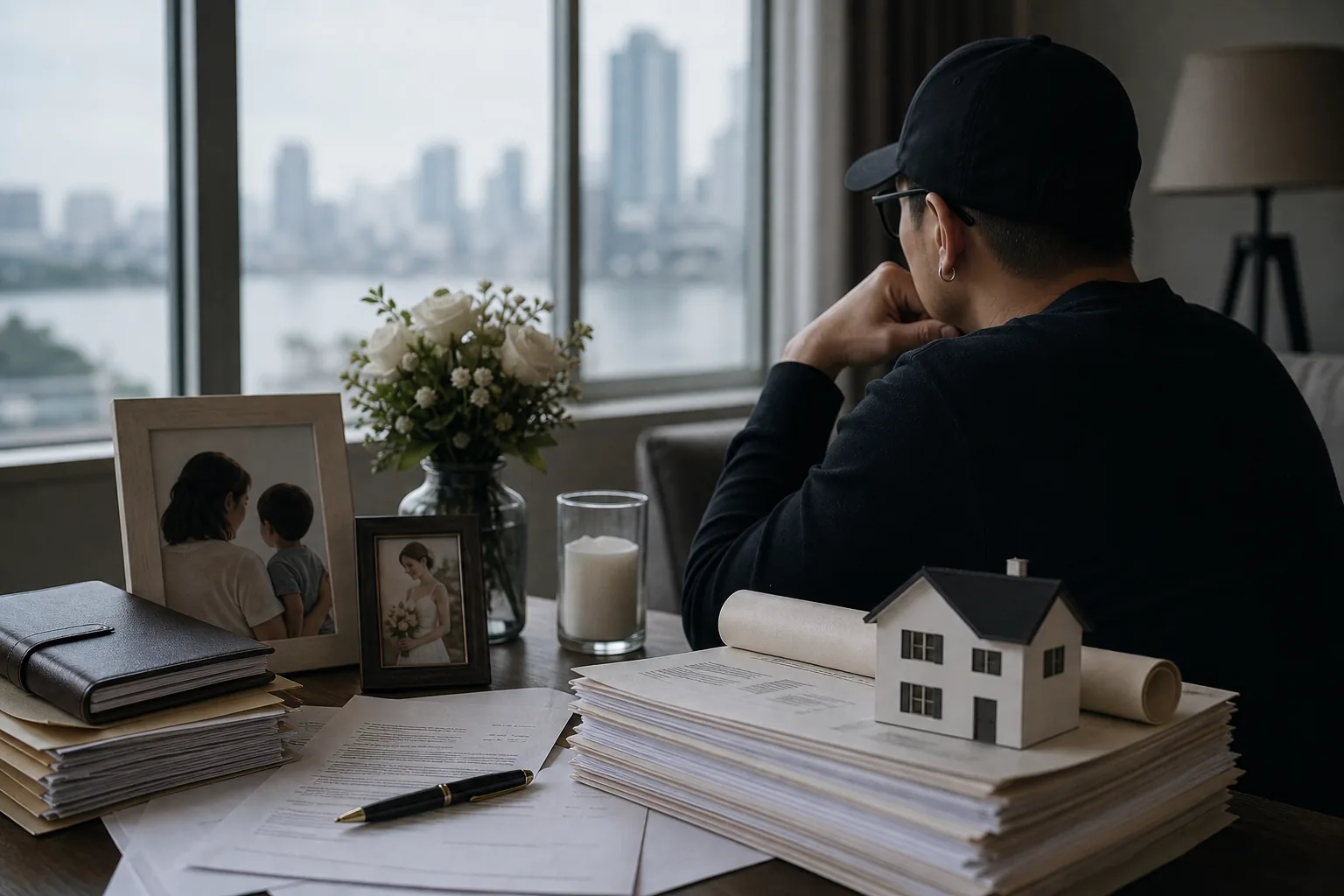
Still, the core facts being reported are narrow. Hsu’s estate process is moving forward; Koo is reported to be entitled to one-third; Wang’s side says it respects that share; and the children’s inheritance rights are being handled through legal channels. Beyond those points, much of the online reaction remains speculation, and the family has not invited the public into the full legal record.
For readers following Koo from the Korean entertainment side, the story is another reminder that celebrity marriages do not end at the edge of the stage. The public may remember the romantic reunion, but the aftermath now involves documents, guardianship questions, and estate procedures. The next meaningful development will likely come through confirmed legal filings or direct statements from the parties, rather than social media interpretation.


Join the Conversation
Log in to share your thoughts and join the conversation with other fans.