
Lee Jun Young Recalls Painful Prejudice He Faced After Moving From Idol To Actor

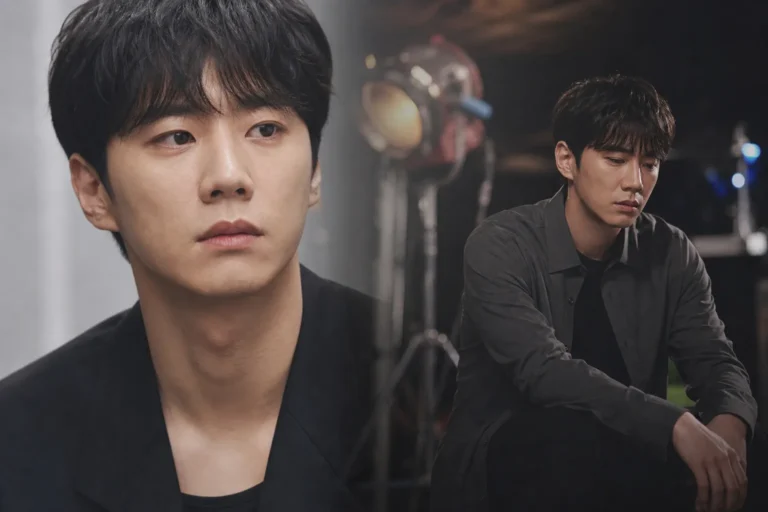
Lee Jun Young is speaking candidly about the cost of becoming known as an actor after first debuting as an idol. The U-KISS member and actor, recently recognized by many viewers through projects including When Life Gives You Tangerines and Weak Hero Class 2, appeared on tvN’s You Quiz On The Block and looked back on a period when the label of “idol actor” followed him into every audition room and filming set.
According to the report, Lee debuted with U-KISS when he was 18, after a string of setbacks that had already made him question whether a career in music was possible. The group’s activities later slowed, leaving him to watch peers appear at major year-end events while he remained at home. For a young performer who had entered the industry with the hope of standing on large stages, that contrast became difficult to ignore.
Lee said the pressure was not only professional. His family was dealing with debt, and he felt a responsibility toward the people who had believed in him. During a time when individual income was limited, he even worked night shifts at a convenience store near his home. He recalled that his manager eventually discovered the part-time job, a moment that left him unable to explain himself and in tears.
A Career Reset Built Under Pressure
Rather than treating acting as an easy fallback, Lee described it as a second climb that began from the bottom. He studied scripts on his own and continued auditioning despite repeated rejection. The account says he was turned down more than 100 times, a number that underlines how little automatic advantage his idol background gave him once he tried to enter a different side of the entertainment business.

The most painful part, however, was not simply losing roles. Lee said there was strong prejudice against idol performers trying to act at the time. While attitudes have changed in recent years, he remembered entering sets where people already seemed prepared to doubt him. That skepticism turned ordinary filming days into something emotionally exhausting.
One comment stayed with him in particular. Lee recalled being told to stop causing trouble and return to where he came from. For an artist trying to rebuild his career while carrying financial pressure and public uncertainty, those words were more than a blunt workplace complaint. They became a symbol of the suspicion that often greeted idols before their work could be judged on its own merits.
He also said the atmosphere on set could follow him home. When people sighed during filming, he worried about what would happen the next day. Before sleeping, he would think through what he should say, how he should behave, and how to prepare himself for possible criticism. His response was not to argue publicly but to become more prepared, more focused, and harder to dismiss.
Why His Story Resonates Now
Lee’s comments arrive at a time when the phrase “idol actor” carries a different meaning than it once did. Korean entertainment is now full of performers who move between music, dramas, films, variety shows, musicals, and global promotions. Viewers may still debate individual performances, but the idea that an idol background automatically disqualifies someone from acting has become harder to defend.

That shift did not happen on its own. It was pushed forward by performers who had to absorb early skepticism and deliver consistent work anyway. Lee’s career has become part of that larger change. His recent roles have introduced him to audiences who may know little about his U-KISS debut, while longtime fans can see the continuity between the discipline of idol training and the patience required for acting.
The story also adds nuance to how success is discussed in K-entertainment. From the outside, a singer moving into dramas can look like a smooth expansion of fame. Lee’s account suggests a more complicated reality: stalled group activities, side jobs, financial responsibility, private embarrassment, and an audition process that did not soften because he had already debuted.
His remarks do not frame the experience as bitterness. Instead, they show how criticism became a form of pressure that he eventually converted into motivation. The line that once hurt him most now reads differently because of what followed. He did not go back to where he came from; he kept moving until the industry had to make room for the version of himself he was trying to build.
For fans, that may be why the confession has drawn attention. It is not only a behind-the-scenes anecdote about one actor’s difficult start. It is a reminder that labels in entertainment can become barriers, especially when they are applied before the work is even seen. Lee Jun Young’s story stands as a quiet argument for judging performers by preparation, growth, and results rather than by the category they first entered through.



Join the Conversation
Log in to share your thoughts and join the conversation with other fans.