
MBC Investigates Alleged AI Voice Forgery in Kim Sae Ron “Dating” Audio Scandal

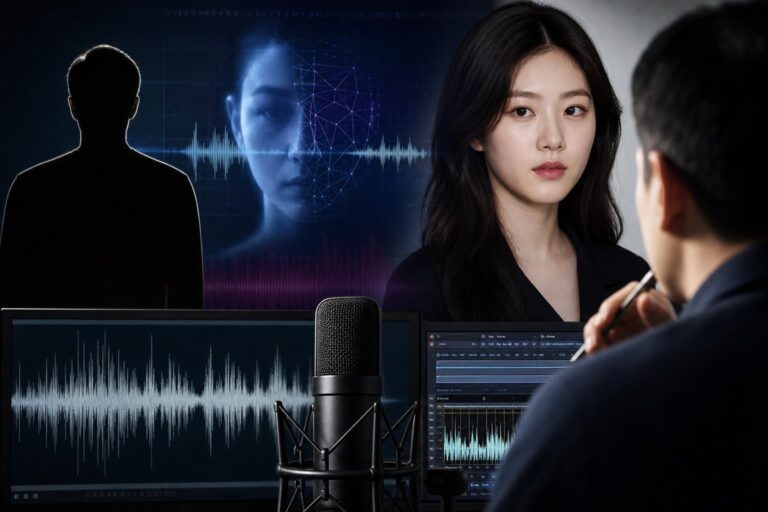
South Korea’s broadcaster MBC has aired an investigative segment alleging that the voice of late actress Kim Sae Ron was used—reportedly through AI manipulation—in multiple forged recordings that attempted to support conflicting claims about her past relationship with actor Kim Soo Hyun. The claims surfaced in connection with actions taken by a YouTube creator whose channel has faced criminal allegations, according to MBC’s Straight program on June 14.
Allegations: multiple “versions” of recordings with opposing narratives
In the Straight episode, MBC reported that it reviewed an audio recording released by YouTube creator Kim Se Ui through the “Garo Sero Institute” channel. The recording, published on May 7, allegedly included Kim Sae Ron saying she had dated Kim Soo Hyun while she was underage and he was an adult.
However, MBC said police have concluded the audio was manipulated using AI. The investigation described a key inconsistency: an informant who supplied recordings to the channel reportedly approached Kim Soo Hyun’s side about a month earlier with a completely different version of events—one suggesting Kim Sae Ron denied dating Kim Soo Hyun while she was underage.
According to the broadcast, the production team presented Kim Soo Hyun’s legal representatives with the account that the informant offered “materials” for a price. MBC quoted a purported message relayed by the informant to Kim Soo Hyun’s side, describing a transaction where “the materials” would be provided and payment would follow, including an additional condition involving advertising work if Kim Soo Hyun succeeded overseas.
“Circumstantial evidence” of non-authenticity, legal representative says
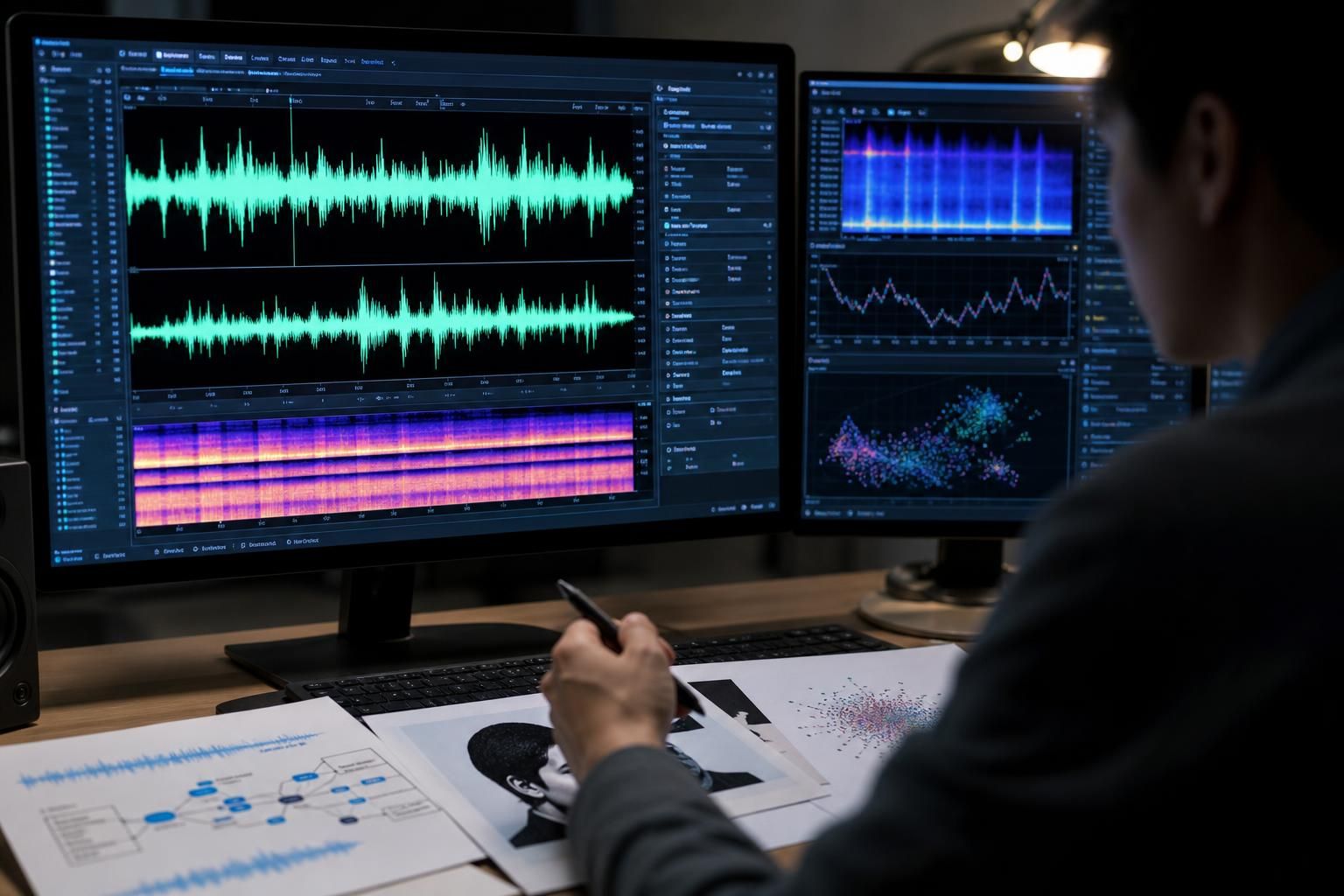
MBC further said the existence of multiple versions of recordings—each supporting different claims about whether a relationship occurred during her underage years—undermines the argument that any of them are genuine.
Kim Soo Hyun’s legal representative, attorney Go Sang Rok, told Straight that the presence of recordings with differing content is itself evidence suggesting they cannot be authentic. MBC presented the claim that police questioned the recording’s credibility, including because the alleged informant behavior appeared suspicious in relation to when the controversy became public.
Timing questions and a broader pattern of disputes
MBC said the informant claimed to have met and recorded Kim Sae Ron in January 2025, approximately one month before her death on February 16. The broadcaster reported that this timing raised additional questions, noting it was before the public conversation about whether Kim Sae Ron had dated Kim Soo Hyun as a minor had emerged.
Despite doubts raised by investigators, MBC reported that Kim Se Ui repeatedly insisted that the recording’s authenticity had been verified. The broadcaster also referenced claims made by Kim Se Ui that Kim Soo Hyun’s side offered the informant “tens of billions of won” for the audio file. MBC said the program pushed back against this assertion and questioned the circumstances around alleged verification steps.
Why it matters: AI voice forgery and accountability
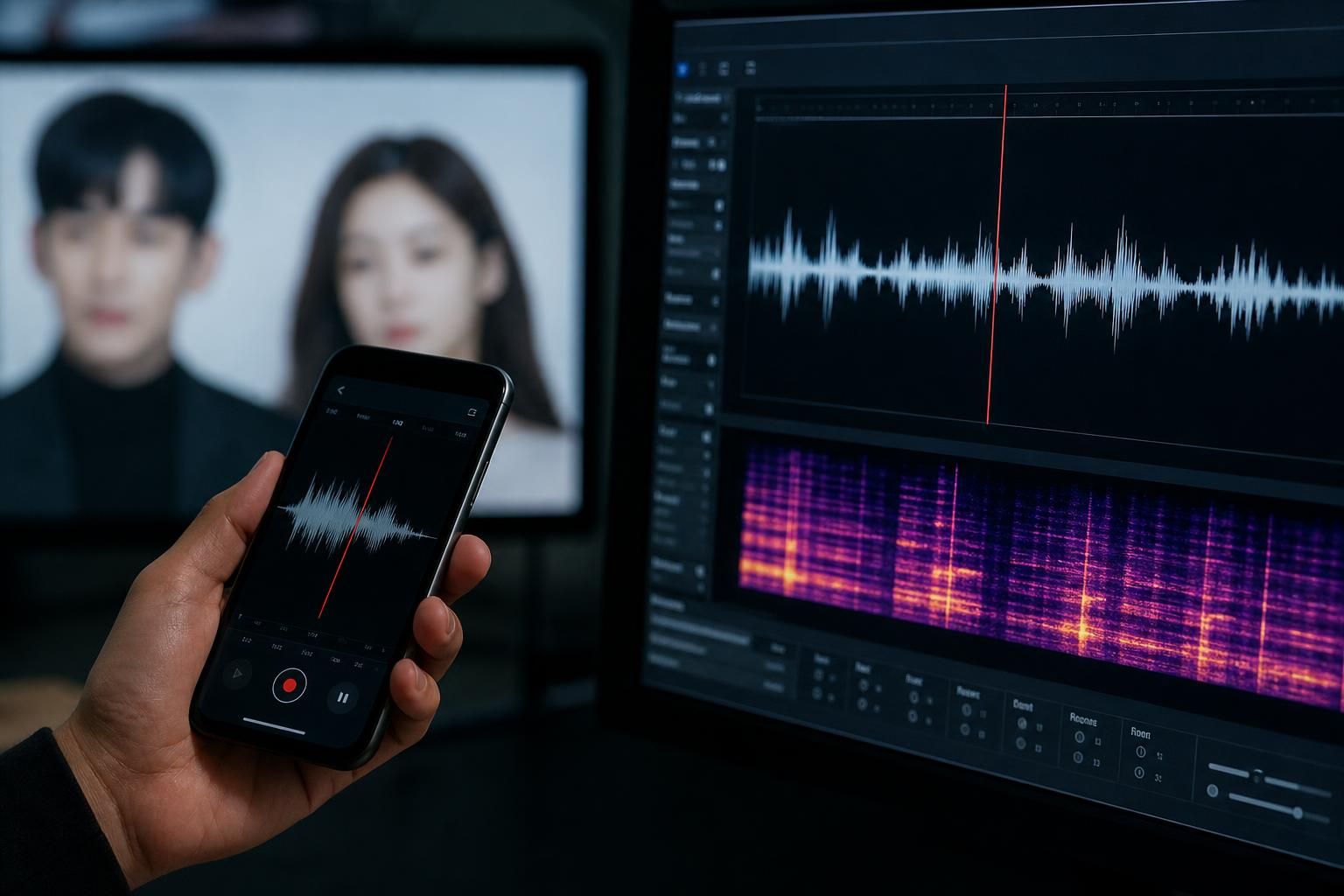
The case reflects a growing challenge for entertainment industries worldwide: synthetic audio and deepfake voice manipulation can blur the line between evidence and fabrication—especially when reputations and legal risk are at stake. In MBC’s account, the alleged recordings were used to advance claims that could carry major consequences, including reputational harm and potential legal implications.
It also underscores the difficulty of verification in fast-moving digital disputes. According to MBC, police assessed the credibility of the recording and concluded it was AI-manipulated, while the broadcaster’s report suggests the forgeries took on multiple storylines depending on who the material was shown to.
What’s next for the investigation
MBC’s report centers on the ongoing scrutiny of how the audio files were created, circulated, and used for leverage—potentially involving defamation allegations and attempts to monetize claims. For now, the broadcast’s findings add pressure for clearer forensic standards around voice authentication and more transparent investigative outcomes.
As the case develops, observers will likely look for further updates on: (1) any additional forensic examination results tied to other versions of the recordings, (2) legal actions connected to the creation and distribution of the alleged forgeries, and (3) whether broader platforms or intermediaries involved in amplifying such claims face scrutiny. The controversy also raises a wider question for South Korea’s online media ecosystem: how quickly can harmful synthetic content be challenged—and by whom?



Join the Conversation
Log in to share your thoughts and join the conversation with other fans.
This feels simple at first, but there is enough emotion in the details to make it linger.