
WinWin and Mark Exit Statements Put SM Entertainment’s NCT Messaging Under Scrutiny

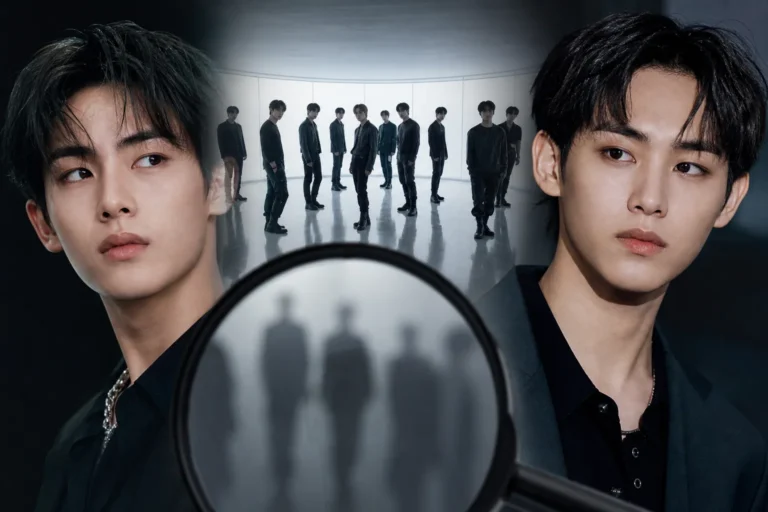
SM Entertainment’s handling of two recent NCT-related departures has become a new flashpoint among fans, after online discussion focused less on the departures themselves and more on how differently the company appeared to frame them.
According to Koreaboo, WinWin was announced on July 8 as leaving both NCT and SM Entertainment after the end of his contract. The report noted that the update came shortly after Mark was also announced to have left NCT and the agency, creating an immediate point of comparison for fans tracking the group’s changes.
The debate intensified when a fan post contrasted the length and tone of SM’s statements for the two artists. The central complaint was straightforward: Mark’s departure was accompanied by a longer message, while WinWin’s announcement was seen by many as noticeably shorter and less emotionally detailed.
For many NCT followers, that difference read as more than a formatting choice. It revived older frustrations about WinWin’s place in the group’s public narrative, especially because fans have long discussed his extended absences from NCT activities and the complicated overlap between his work in China, WayV, and the wider NCT system.
Why the comparison struck a nerve
Agency departure statements are often formal by design. They usually confirm the contract status, thank the artist, and ask fans to continue supporting the person’s future work. But in highly invested fandoms, small differences in wording can be read as signals of respect, priority, or institutional memory.
That is why the comparison between WinWin and Mark spread so quickly. Mark has been one of NCT’s most visible members, active across multiple units and strongly associated with the group’s performance identity. WinWin, by contrast, has had a more uneven public presence within the NCT brand, even while maintaining a dedicated fan base that has repeatedly argued he deserved clearer support.
The anger visible in fan reactions was not only about one announcement. It reflected accumulated disappointment over how WinWin’s career with SM has been perceived, with some fans arguing that the brief statement seemed to summarize years of under-recognition. Others pushed back by pointing out that different roles, activity histories, and contract circumstances can naturally produce different company language.
What it says about K-pop communication
The episode shows how sensitive K-pop audiences have become to agency messaging at moments of transition. In an industry where member departures can reshape group identity, even a short notice is treated as part of the historical record. Fans do not simply ask whether a company confirmed the facts; they also ask whether the artist’s contribution was acknowledged in a way that feels proportionate.
SM Entertainment has managed many complex artist transitions over the years, and NCT’s rotational and multi-unit structure adds another layer of difficulty. Because members can be associated with different units, markets, and activity periods, the company must communicate clearly enough for casual readers while also satisfying fans who know the details of each artist’s career.
In this case, the brief-versus-long framing became a symbol. To some fans, it reinforced the belief that WinWin was never fully centered in the way his supporters hoped. To others, the comparison was an emotional but incomplete reading of two separate professional exits. Either way, the reaction shows that fandoms now scrutinize corporate language almost as closely as they follow schedules, teasers, and comeback plans.
What remains clear is that both departures mark another significant change for the NCT ecosystem. Whether fans interpret the statements as routine, unequal, or revealing, the discussion has kept attention on how agencies close chapters with artists whose careers were built in public and whose fans expect more than a simple administrative notice.
Join the Conversation
Log in to share your thoughts and join the conversation with other fans.