

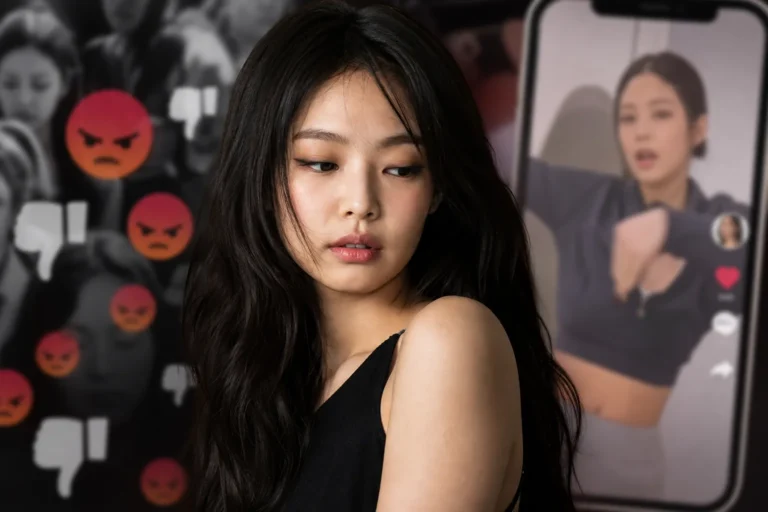
BLACKPINK’s Jennie is again at the center of intense online discussion, this time over a short TikTok clip that spread widely after recent festival appearances in Europe. The video, posted through Jennie’s own social media presence, showed a quick transition into a performance outfit and was framed by many fans as a confident, stylish update from one of K-pop’s most visible global stars.
The response, however, did not remain limited to Jennie’s followers. According to Koreaboo, the clip drew a wave of critical reactions after it was reposted and discussed on X, where some users mocked the video and questioned the way Jennie presented herself. The backlash included personal insults and dismissive comments about her performance image, turning a brief social media post into another example of how quickly idol content can become a flashpoint.
Jennie has long occupied an unusually high-profile position in K-pop culture. As a member of BLACKPINK, she is part of one of the industry’s most internationally recognized groups, while her solo career, fashion partnerships, and festival performances have made her public image extend well beyond the traditional idol circuit. That visibility gives casual posts a much larger audience than they might receive from a less globally recognized artist.
A Short Clip Becomes A Wider Debate
The TikTok itself appears to have been designed as a simple, polished transition video, the kind of short-form content artists and influencers frequently use to highlight styling, backstage energy, or a moment from a larger performance schedule. In this case, the styling and attitude of the clip became the focus, with supporters reading it as playful confidence and critics describing it as awkward or forced.
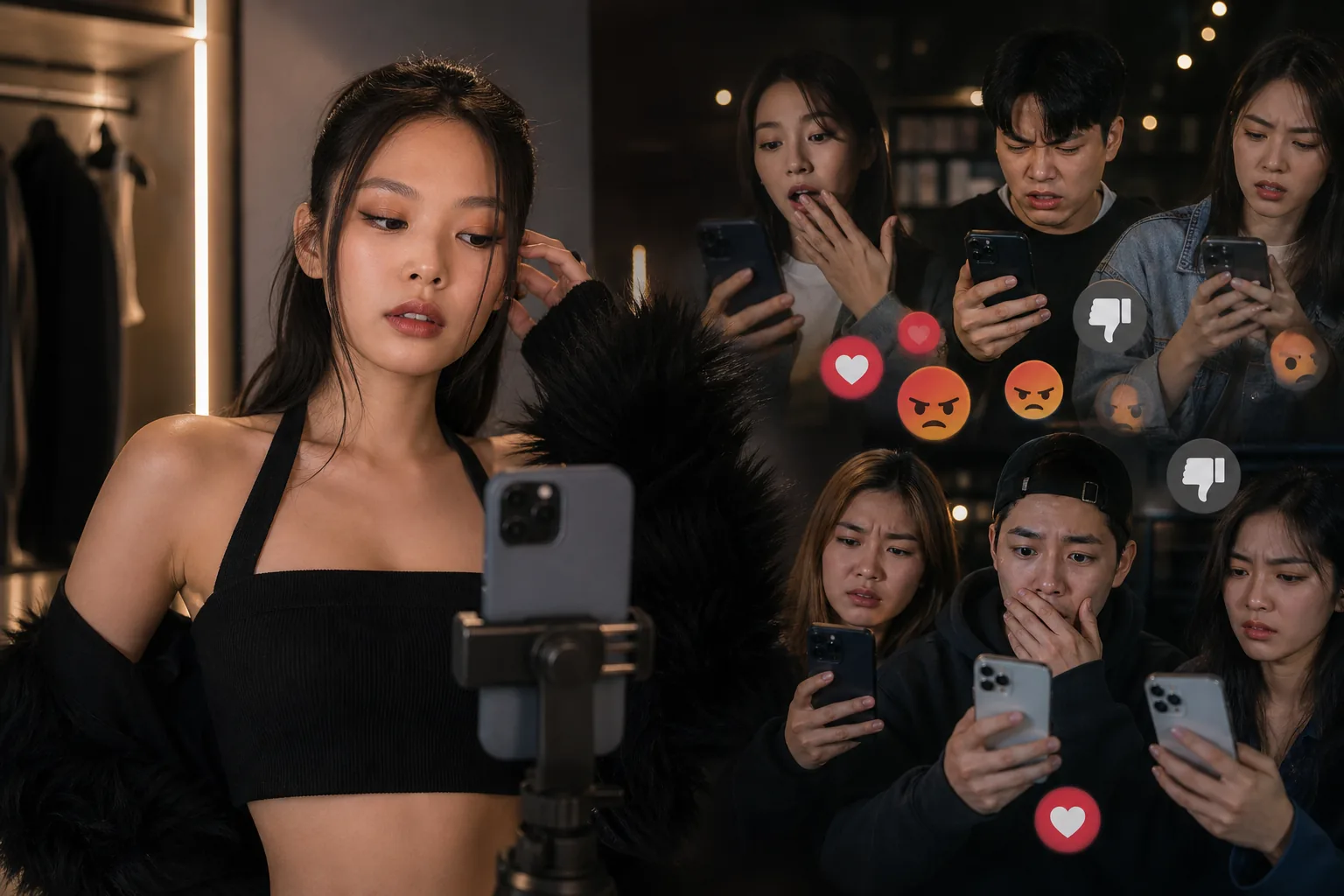
That divide reflects a familiar pattern in K-pop discourse. Idol posts are often consumed not only as entertainment, but as evidence in ongoing arguments about image, skill, authenticity, and fan loyalty. A few seconds of choreography or posing can be treated as a statement about an artist’s entire career, especially when the artist is already polarizing or highly famous.
The sharpest criticism also shows how easily discussion can move from commentary on content to personal attack. Public figures are routinely reviewed for styling, music, and stage choices, but online reactions can become harsher when they focus on appearance, sexuality, or perceived personality. Jennie’s clip drew exactly that kind of response from some users, with the conversation shifting away from the video itself and toward broader judgments about her image.
Why Jennie’s Posts Attract So Much Attention
Part of the reaction comes from the scale of Jennie’s audience. BLACKPINK members do not post into a neutral environment; almost every public move is filtered through fan celebration, rival fandom comparison, and general celebrity commentary. When a clip leaves the original platform and circulates through repost accounts, the context changes again, reaching viewers who may not follow Jennie but are ready to react to a viral prompt.
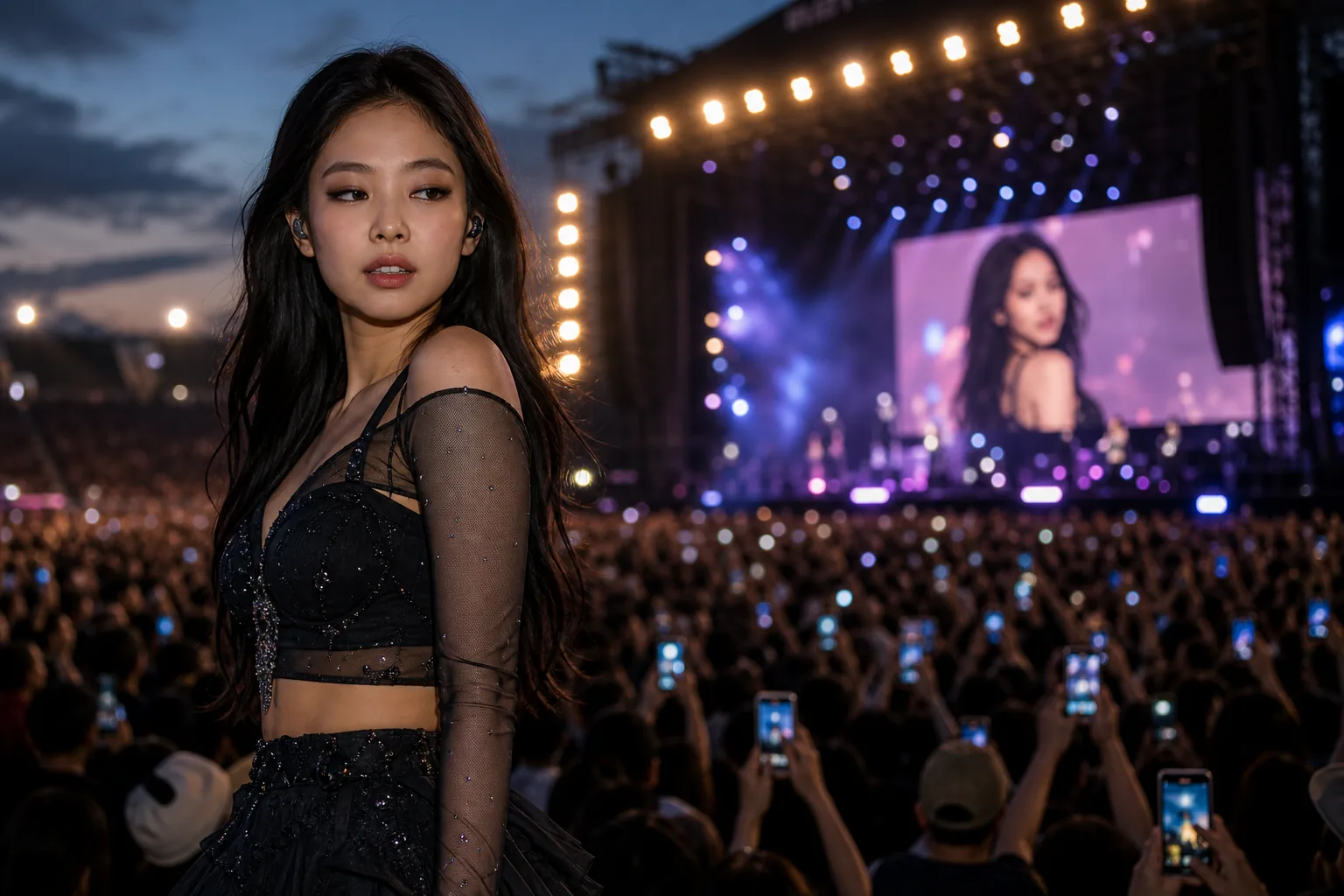
The timing also matters. Jennie has recently been active in European festival settings, where BLACKPINK members and other K-pop acts continue to test how Korean pop performance translates to broader music audiences. Festival appearances can strengthen an artist’s global profile, but they also expose performers to viewers who may not share the expectations or protective instincts of core fandoms.
For Jennie’s supporters, the criticism may look like another case of disproportionate scrutiny directed at a female idol who is experimenting with a confident stage image. For critics, the clip became an opportunity to question whether the presentation worked. The more useful takeaway is that both reactions show how little distance now exists between artist-controlled content and mass public judgment.
K-pop agencies and artists have increasingly leaned on TikTok, Instagram Reels, and short-form video because these platforms are central to music promotion. They can amplify a comeback, introduce an artist’s personality, and keep global fans engaged between formal releases. But the same platforms also reward instant reaction, which means a post meant as light promotional content can become a trending argument before the artist or team has any reason to respond.
A Familiar Challenge For Global Idols
Jennie has not publicly responded to the criticism cited in the report, and the clip remains part of a broader social media cycle rather than an official controversy. Still, the episode underlines a recurring challenge for global idols: maintaining a personal and stylish online presence while knowing that every pose, caption, and performance detail may be pulled into a much larger debate.
For now, the story says as much about the environment around K-pop as it does about Jennie herself. Short videos are built to travel quickly, but once they do, artists lose control over the frame. In Jennie’s case, a simple TikTok update became a reminder that fame at BLACKPINK’s level can turn even casual self-presentation into a public referendum.


Join the Conversation
Log in to share your thoughts and join the conversation with other fans.