
BTS Collaboration Brings Korean Heritage Into Focus at the British Museum

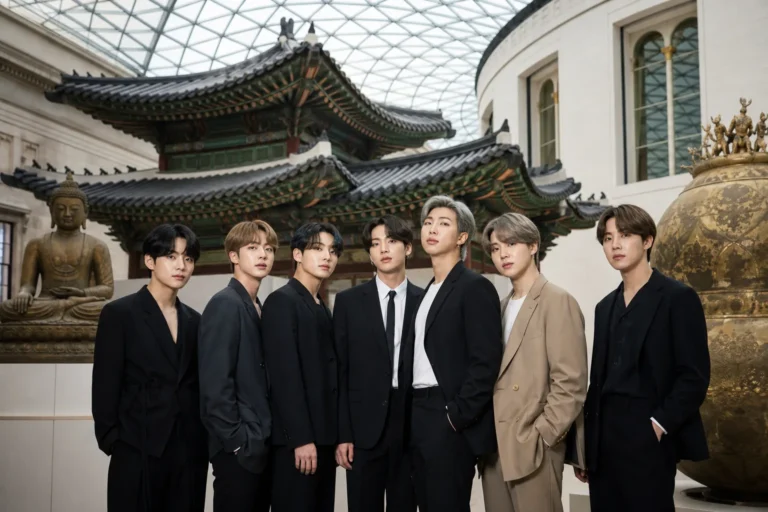
BTS is again being linked with Korean cultural heritage on an international stage, this time through a British Museum program built around the theme of Arirang. The London museum has listed a Korean gallery trail titled “BTS THE CITY ARIRANG,” scheduled to run from July 6 to July 23, 2026, introducing visitors to objects that connect with the long cultural memory behind Korea’s best-known folk song.
The collaboration arrives at a moment when Korean pop culture is no longer treated as a separate export from history, language, food, design, or traditional art. For many overseas fans, BTS may be the first entry point into Korean culture. A museum trail gives that attention a different direction: from streaming platforms and concert venues toward ceramics, painting, craftsmanship, and the stories carried by cultural objects.
The British Museum page frames the program as a route through its Korea gallery, with exhibition curator Sang-ah Kim guiding visitors through selected works. Rather than presenting BTS as the subject of a display, the trail uses the group’s cultural reach and the idea of Arirang as a bridge into older material traditions. That distinction matters. The emphasis is not celebrity memorabilia, but a wider conversation about how contemporary audiences encounter heritage.
Why Arirang Matters
Arirang is often described as one of Korea’s most recognizable folk songs, but its meaning is broader than a single melody. It has been performed in many regional versions, adapted across generations, and used in settings ranging from family gatherings to major public ceremonies. Its emotional power comes from themes of longing, resilience, separation, return, and shared memory.
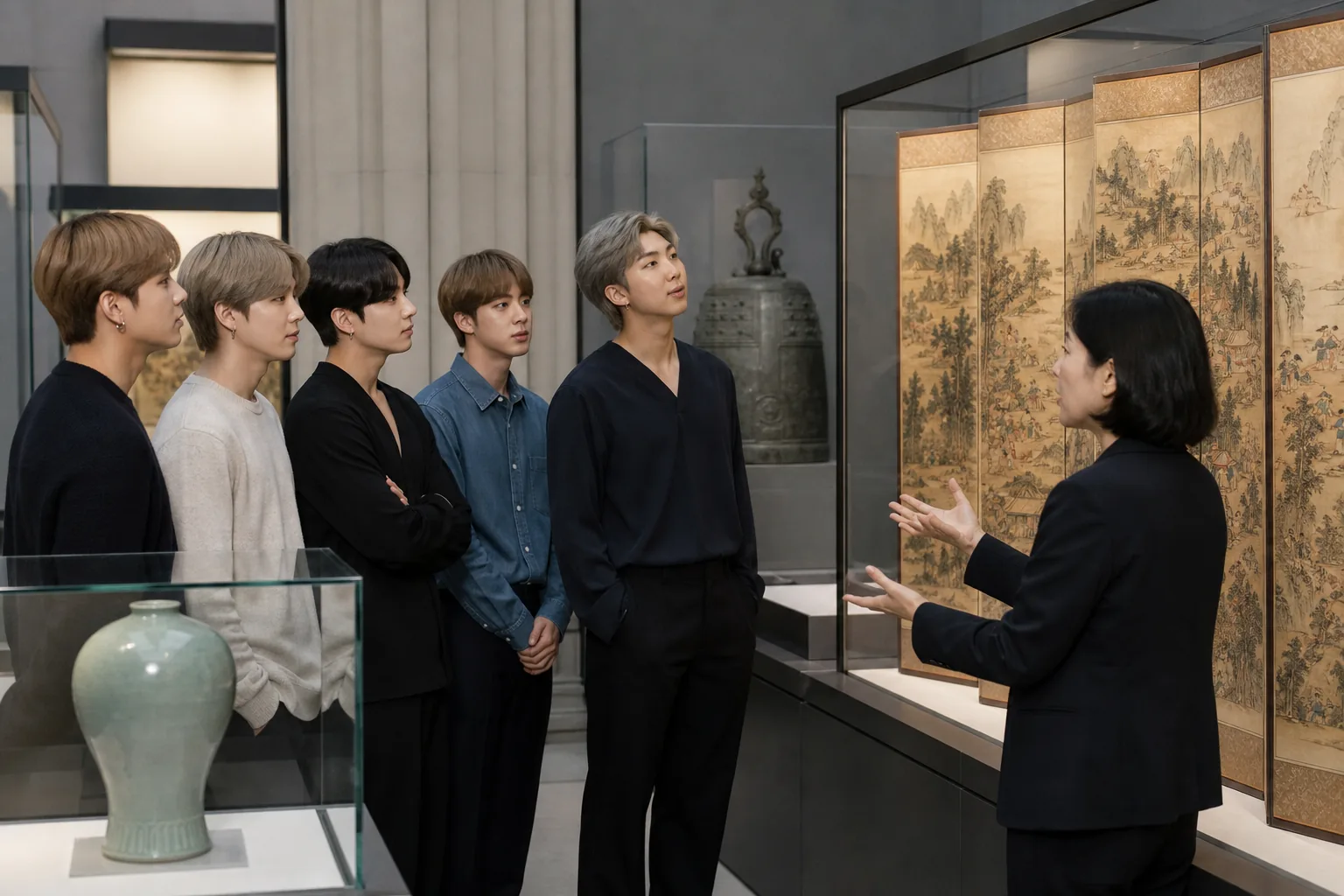
Connecting BTS to Arirang is therefore not just a branding exercise. BTS’s global career has often turned personal feeling into collective language, allowing fans from many countries to attach their own experiences to Korean lyrics and performance. A museum trail built around Arirang can extend that pattern into heritage interpretation, showing how a cultural form can travel without losing its roots.
The timing also reflects the continuing expansion of K-culture programming in major institutions outside Korea. Museums, festivals, universities, and cultural centers have increasingly treated Korean popular culture as a gateway rather than a standalone trend. That approach can be effective when it gives newcomers enough context to understand what came before the modern entertainment industry.
From Fandom To Cultural Literacy
For BTS fans visiting London, the trail may offer a more reflective experience than a typical pop-up or promotional event. Instead of asking fans only to buy merchandise or recreate photo moments, a gallery trail asks them to look closely, read context, and spend time with objects that may have no direct connection to pop music. That slower mode of attention is one of the strengths of museum interpretation.
For the British Museum, the program also shows how legacy institutions are experimenting with new audience pathways. K-pop fandoms are highly organized, internationally mobile, and accustomed to seeking out cultural references connected to artists they follow. When a museum gives those audiences a clear route into its collection, it can make heritage feel less remote while still preserving scholarly framing.
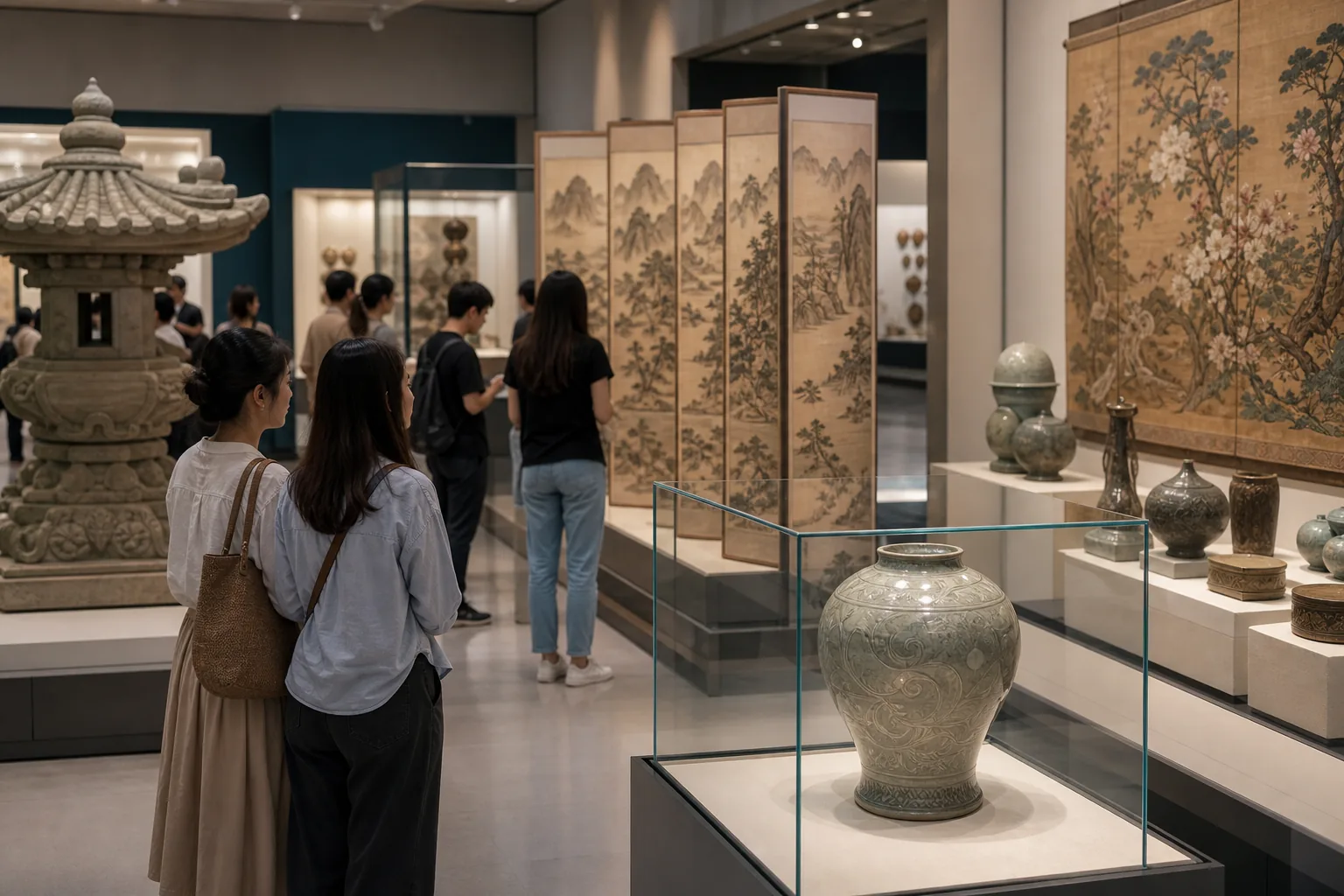
There are risks in any partnership between popular culture and museums. If handled too lightly, heritage can become a decorative backdrop for celebrity-driven attention. If handled too academically, the popular connection can feel like a hook that disappears once visitors enter the gallery. The success of this kind of program depends on balance: BTS can bring people to the door, but the objects and their histories must carry the experience once visitors arrive.
That balance is especially important for Korean cultural heritage abroad. Many Korean works held in overseas collections sit inside complex histories of collecting, diplomacy, scholarship, and displacement. A contemporary trail cannot resolve all of those questions, but it can encourage visitors to ask better ones: who made these objects, how did they travel, what meanings did they hold, and why do they still matter now?
A Broader Signal For K-Culture
The British Museum trail is also part of a larger shift in how BTS’s public image continues to evolve. The group’s influence has moved beyond charts and tours into tourism, language learning, art patronage, museum visits, and cultural campaigns. That does not make BTS a substitute for historians or curators, but it does make the group a powerful cultural signpost for audiences who might otherwise never seek out Korean heritage collections.
For Korean entertainment, the message is clear: the global K-pop audience is now large enough to affect how institutions present Korea itself. For museums, the opportunity is equally clear. If they meet that audience with substance, programs like this can turn fan curiosity into lasting cultural literacy.
The result is a collaboration that is modest in format but meaningful in implication. A short museum trail cannot tell the whole story of Korean creativity, and it does not need to. Its value lies in opening a path from a familiar name to a deeper archive, inviting visitors to see Korean culture as both contemporary and centuries old.



Join the Conversation
Log in to share your thoughts and join the conversation with other fans.