
Rapper Matt Proxy’s CORTIS Criticism Opens Wider Debate Over K-Pop Influence

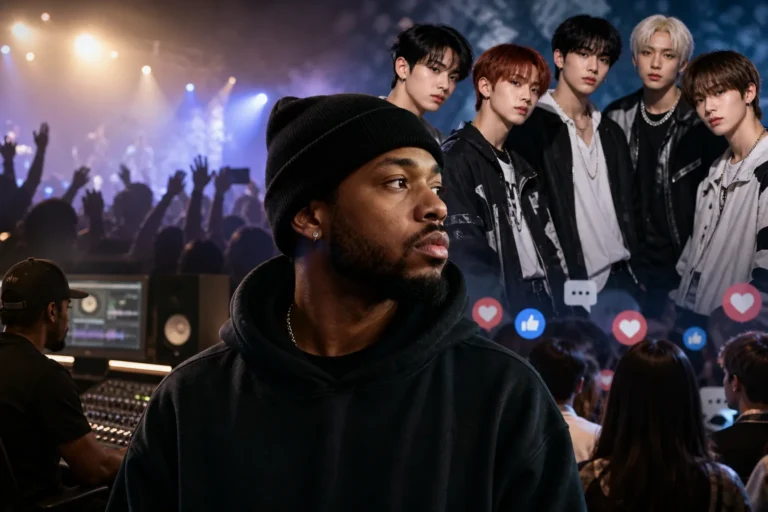
A social media clash involving U.S.-based rapper Matt Proxy and fans of CORTIS has grown into a wider argument about K-pop’s relationship with Black music, cultural borrowing, and fan accountability. The dispute began after CORTIS member Martin recommended one of Proxy’s songs to fans, only for the rapper to respond by criticizing the group’s music and later expanding his criticism to the K-pop industry more broadly.
According to Koreaboo, the rapper faced backlash from CORTIS supporters after his initial comments. Instead of walking them back, he posted follow-up Instagram Stories that made clear his negative view of K-pop as an industry. His comments framed the genre as highly manufactured and accused it of drawing heavily from Black art while placing intense demands on its own artists.
The incident quickly moved beyond a single exchange between an artist and a fandom. Because CORTIS is a HYBE-affiliated act with an active online fanbase, the dispute spread through fan communities and became part of a broader conversation about how outside artists respond to K-pop attention, especially when that attention comes from idols publicly recommending their work.
Why The Reaction Split So Quickly
The online response has been sharply divided. Some users argued that Proxy’s broader criticism of the K-pop business was valid, even if they did not endorse every part of his delivery. For those fans and observers, the controversy touched on longstanding concerns about the industry’s use of hip-hop, R&B, dancehall, and other Black-rooted styles without always crediting or respecting the cultures behind them.

Others pushed back on the rapper’s approach, saying his tone and past online behavior weakened the point he was trying to make. Koreaboo reported that several users questioned whether he was applying his stated moral standards consistently, while others objected to the way he described idols and fans during the dispute. That tension has made the debate less about one critique and more about whether the messenger can be separated from the message.
Proxy also drew attention by changing his profile image and sharing idol photos that appeared intended to criticize cultural appropriation in K-pop. The examples referenced familiar flashpoints in global fandom debates, including styling choices that have previously been criticized as racially insensitive. For many international fans, those images connected the CORTIS argument to a much older pattern of disputes around hair, styling, performance concepts, and the use of Black cultural signifiers in Korean pop.
A Familiar K-Pop Fault Line
The controversy reflects a recurring challenge for K-pop’s global expansion. The industry often builds songs, choreography, fashion, and visual concepts through a mix of international references. That global approach has helped K-pop reach new audiences, but it has also raised questions about when influence becomes appropriation and what responsibility labels have when their artists borrow from cultures outside Korea.
Fans are not united on those questions. Some argue that K-pop’s use of global pop languages is part of how modern music works, especially in an industry that collaborates with producers, choreographers, stylists, and songwriters from many countries. Others say the industry benefits from Black creativity while too often treating criticism from Black listeners and artists as something to dismiss or manage rather than seriously address.

CORTIS itself is now caught in a dispute that began indirectly. Martin’s recommendation of Proxy’s music appeared to be a simple artist-to-artist gesture, not an invitation for a public argument. But the exchange shows how easily a small fan-facing moment can become a flashpoint when global fandoms, cultural politics, and artist reputations collide online.
The speed of the reaction also points to how K-pop discourse works in 2026. A short post can quickly become a debate about industry structure, racism, fandom conduct, and historical grievances. That does not mean every viral argument produces a fair or complete conversation, but it does show that international fans are increasingly unwilling to treat pop aesthetics as separate from the cultures that shape them.
For CORTIS, the immediate practical impact may be limited unless the debate continues to trend or draws an official response. For Proxy, the attention has introduced his name to many K-pop fans in a confrontational way, while also putting his own online history under scrutiny. The result is a controversy where both the criticism and the critic are being examined at the same time.
What makes the argument notable is not only that a rapper criticized a K-pop group. It is that the conversation around CORTIS became a live example of the larger questions K-pop still faces as it becomes more global: who gets credited, who gets heard when concerns are raised, and how fans respond when criticism comes from outside the fandom system.



Join the Conversation
Log in to share your thoughts and join the conversation with other fans.