
Viral Clip Puts Spotlight on K-Pop CEO Jay Park as Controversy Continues to Dog New Group LNGSHOT

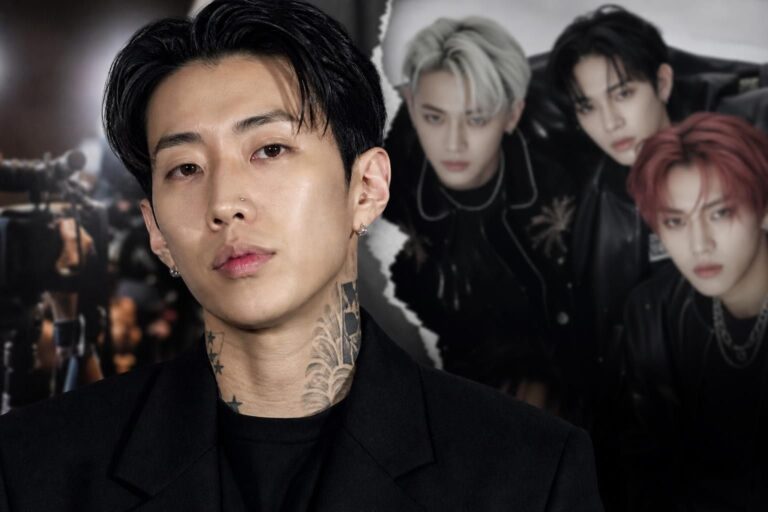
A viral performance clip has reignited controversy around Jay Park and his role as CEO of rookie K-pop group LNGSHOT, after a member appeared to subtly address fan concerns during a recent stage appearance. The moment, widely shared on social media in the past day, shows LNGSHOT’s Woojin holding up four fingers at the start of a song—an action fans interpreted as a response to claims that the group has effectively been operating with “extra” influence from Park amid ongoing backlash.
What happened in the viral performance
According to reporting and posts circulating online, fans have grown frustrated with how often Jay Park appears alongside LNGSHOT in promotion and branding. While earlier attention brought visibility to the group—through YouTube features, festival appearances, and public events—criticism escalated as viewers said Park’s presence became closely tied to the group’s campaigns rather than separating him from their core identity.
During the group’s performance at the KKBOX Music Awards, Woojin began a song by raising his hand in a way fans quickly dissected online. Many interpreted the gesture as referencing a commonly repeated grievance: that LNGSHOT has four members, not “five,” in contrast to how some content appears to treat Park as part of the group. In comment threads, users argued the gesture functioned as a reassurance to fans or, at minimum, a signal that the members were aware of the dispute.
Why fans connect the gesture to the Jay Park controversy
The controversy surrounding Park’s involvement in LNGSHOT’s activities has reportedly centered on collaborative promotional material and shared creative output—ranging from mixtapes and marketing content to merchandise that fans say places him alongside the members. Some supporters describe the arrangement as blurring boundaries between leadership and fandom-facing identity, while critics frame it as Park receiving undue spotlight during the group’s formative period.
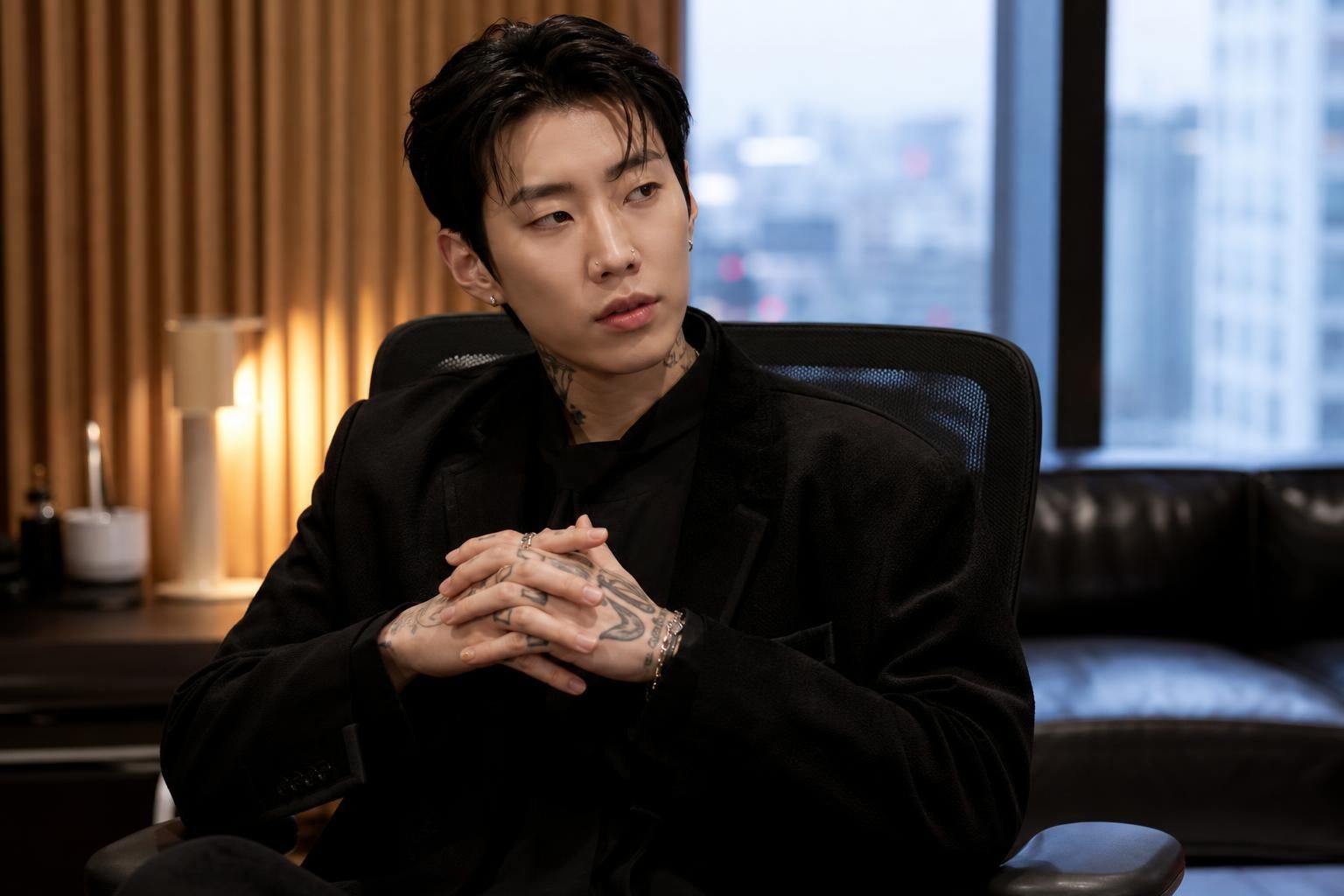
One of the most common fan refrains is that Park has effectively become an unofficial fifth member. In the viral moment, Woojin’s four-finger gesture became a focal point for that sentiment—particularly because it occurred right at the start of a song, giving the interpretation a sense of intentional timing.
Importantly, the source material notes that there is no confirmation from the group or Jay Park that the gesture was meant to convey a specific message. However, that lack of official clarification hasn’t slowed the online debate. Within hours, clips and screenshots spread widely, with some users claiming the moment provided emotional validation to fans who felt the controversy had been ignored.
Online reaction: split interpretations, one common theme
Reactions on X (formerly Twitter) and other platforms varied, but many posts followed a similar arc. Some users said Woojin’s action felt like a direct acknowledgment of their concerns. Others went further, arguing the move looked like a member “standing up” to the CEO by subtly pushing back against perceived interference.
The clip also drew attention for what fans framed as a reversal of typical dynamics: rather than leadership responding to backlash, it was a member who appeared to dampen tensions in real time. One post summarized the idea by contrasting what viewers described as a rare scenario—where a CEO is criticized for inflaming controversy, and a group member is the one communicating back to fans.
At least one estimate cited in the coverage suggests the video surged quickly online, accumulating more than 600,000 views on X in the period after it was posted. That figure underscores how rapidly performance artifacts can become interpretive battlegrounds in K-pop fandom culture, where choreography, hand gestures, and staging details often take on secondary meaning.
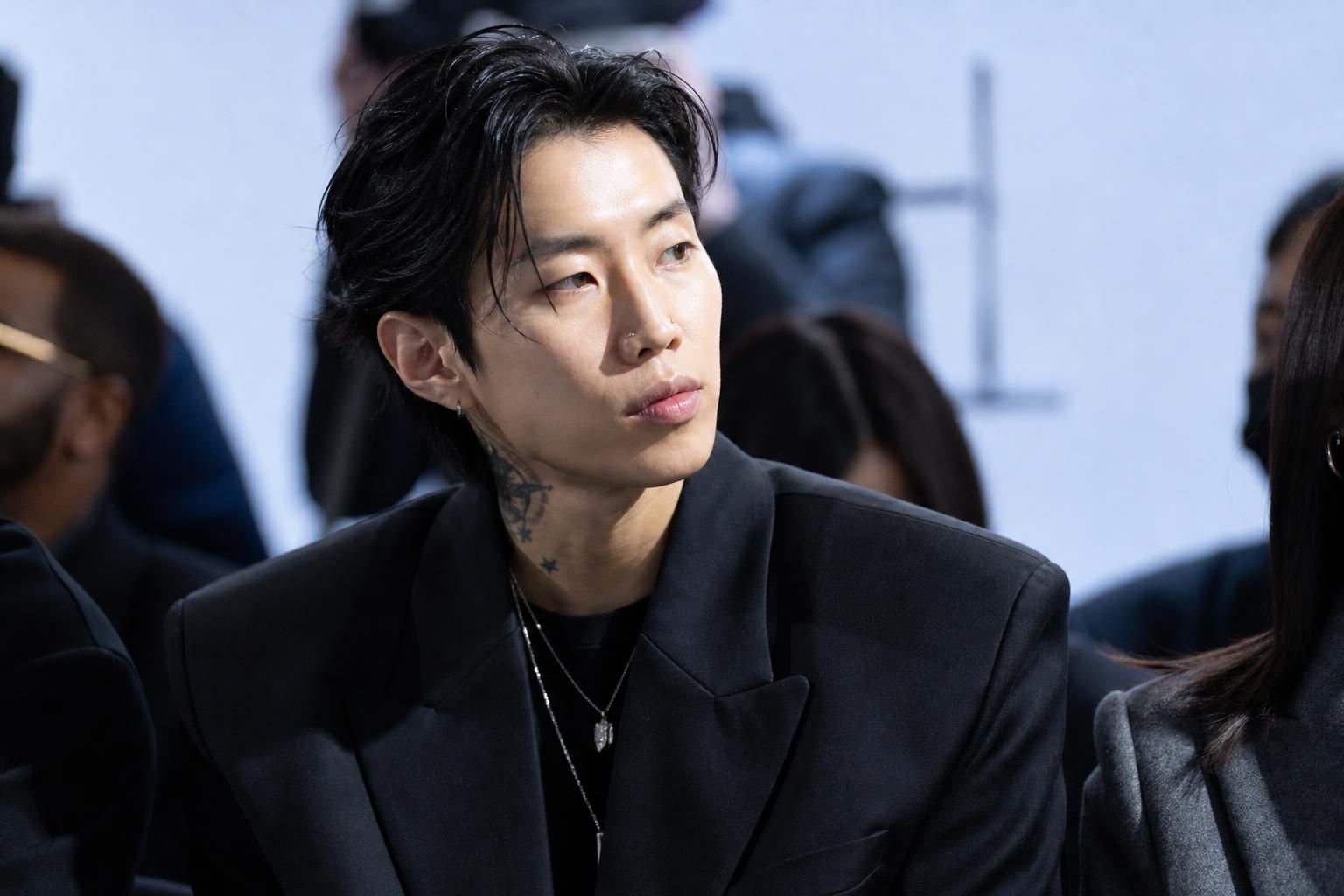
The broader pattern: publicity, backlash, and the problem of attribution
Part of why stories like this persist is that they sit at the intersection of entertainment marketing and audience trust. Fans typically expect a clear separation between management roles and the identity of the artists they follow. When those boundaries blur—especially during a group’s debut era—audiences often interpret messaging as strategic branding rather than organic collaboration.
In this case, Park’s high-profile visibility may have helped drive early attention for LNGSHOT. But as fans became more vocal, they appear to have questioned whether promotional decisions served the group’s image or elevated the CEO’s personal brand. The viral gesture is now being read as a response to that credibility gap, whether or not it was consciously intended that way.
What happens next
For now, the biggest open question is whether LNGSHOT’s management will address fan claims directly or allow the controversy to simmer under a mix of ambiguity and interpretation. If no statement arrives, the narrative is likely to be driven by fandom discussion: each new stage appearance could introduce fresh signals for supporters and critics alike.
Meanwhile, Jay Park’s broader public relationship with K-pop audiences may face heightened scrutiny as the viral clip cements a storyline that Park’s involvement is a recurring flashpoint. The group’s next performances—particularly awards shows and televised stages—will be watched not only for music and choreography, but for whether members choose to further communicate with fans through visible, repeatable cues.

Join the Conversation
Log in to share your thoughts and join the conversation with other fans.
This one feels complicated, but I hope the conversation stays fair and thoughtful.