
KeyEast Ordered To Pay $576,000 Over Ji Soo Drama Recasting Dispute

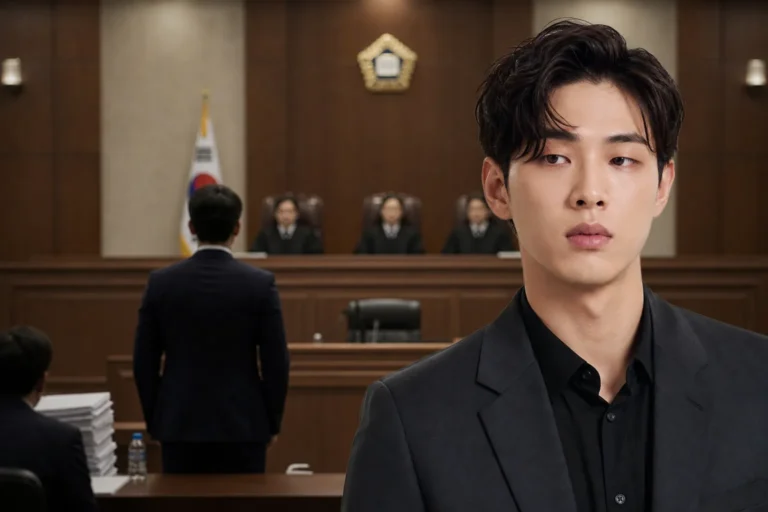
A Korean court decision has brought a long-running financial dispute tied to actor Ji Soo’s 2021 school-bullying controversy to a close. According to reports, KeyEast, the actor’s former agency, has been ordered to pay 880 million won, or roughly $576,000, to the production company behind the KBS2 drama River Where The Moon Rises.
The amount was finalized after KeyEast withdrew its appeal to the Supreme Court on June 24. That move left in place the second-trial ruling in favor of Canvas N, the company formerly known as Victory Contents, which had pursued compensation over the costs of replacing Ji Soo after the drama was already deep into production.
Ji Soo had originally been cast as On Dal, the male lead opposite Kim So Hyun. The series had already begun airing when allegations about the actor’s school years surfaced online in March 2021. Accusers alleged bullying, assault, threats, verbal abuse, and humiliation. Ji Soo issued a handwritten apology at the time, acknowledged parts of the controversy, and stepped away from the drama.
For viewers, the change was visible as a casting update. For the production team, it created a much larger logistical problem. River Where The Moon Rises had aired six episodes, and reports said filming had already progressed through most of the planned 20-episode run. Na In Woo was brought in as the replacement male lead, forcing the crew to reshoot Ji Soo’s scenes while keeping the broadcast schedule alive.
Why The Damages Became A Major Industry Issue
Canvas N later filed a 3 billion won lawsuit against KeyEast, arguing that the sudden recasting caused direct financial losses. The company cited staff expenses, location and equipment costs, cast fees, art department work, and other spending connected to recreating scenes that had already been shot. In an industry where broadcast deadlines, actor schedules, and set availability are tightly connected, replacing a lead actor midstream can ripple across nearly every department.
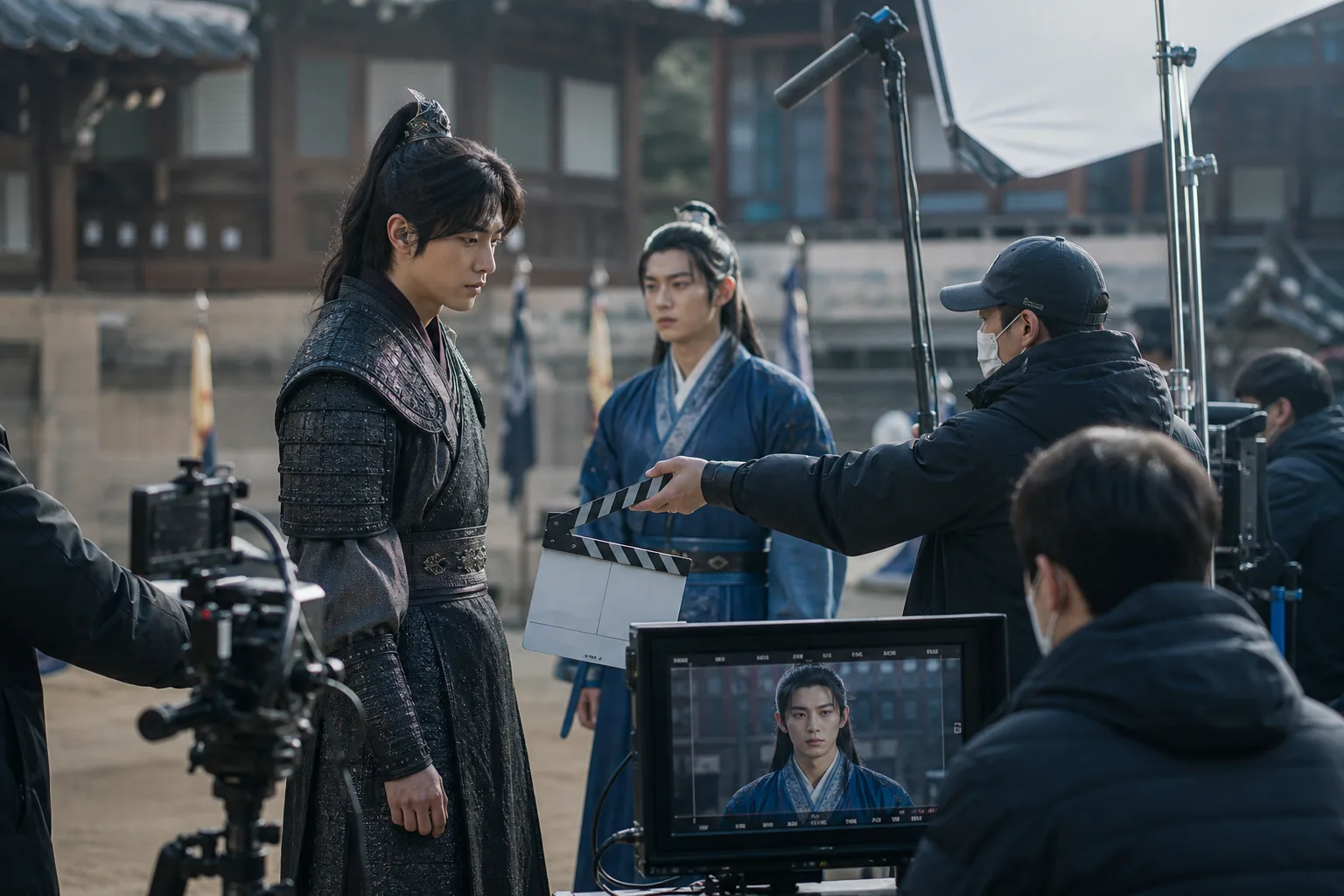
The first trial partially accepted the production company’s argument and ordered KeyEast to pay 1.42 billion won, equal to about $929,000. On appeal, however, that amount was reduced to 880 million won. Canvas N also appealed the second-trial outcome, but the court dismissed that challenge. With KeyEast now withdrawing its Supreme Court appeal, the reduced figure has become final.
The ruling is notable because it places a concrete price on one of the most disruptive recasting cases in recent K-drama memory. Celebrity controversies often lead to apologies, hiatuses, or contract changes, but they do not always produce a publicly confirmed damages figure. This case shows how personal conduct allegations can move beyond reputation damage and become a formal business dispute between agencies and production companies.
KeyEast’s responsibility in the case also reflects how agencies can remain financially exposed even after an artist leaves. Ji Soo departed KeyEast in May 2021, shortly after the controversy erupted. The dispute, however, centered on the production losses connected to his casting while he was represented by the company. The final ruling therefore closes a legal chapter that continued years after both the drama’s broadcast and the actor’s agency exit.
Ji Soo’s Career Remains Split Between Past And Comeback Efforts
Since the controversy, Ji Soo has largely remained away from South Korea’s mainstream drama scene. He completed alternative military service as a social service worker and was discharged in 2023. In 2024, he addressed the allegations again, saying he had resolved misunderstandings with people involved and was preparing to act again. Even so, his domestic comeback has remained uncertain.

Instead, Ji Soo has shifted more of his public activity overseas, including work in the Philippines as an actor and social media creator. That move has kept him visible to some international fans while his Korean entertainment career remains complicated by the unresolved public memory of the allegations and the industry disruption that followed them.
For River Where The Moon Rises, the case is also a reminder of how quickly a drama can become vulnerable when off-screen issues collide with an on-air production. Na In Woo’s replacement work allowed the series to continue, but the finalized damages ruling underlines that the cost of salvaging a broadcast can remain unresolved for years.
The legal outcome does not reopen the original allegations or determine Ji Soo’s future as an actor. It does, however, settle the financial dispute between KeyEast and Canvas N in a way that may be watched closely by agencies, producers, and broadcasters. For the Korean entertainment business, the case stands as a rare public example of how reputational crises can translate into measurable production liability.



Join the Conversation
Log in to share your thoughts and join the conversation with other fans.