
Stray Kids’ Changbin Becomes Focus of Viral Debate Over Idol Visual Criticism


Stray Kids member Changbin has become the center of a fast-moving online debate after a fan post defending his appearance drew wide attention and a wave of harsh responses. The discussion, which spread across social media over the weekend, has renewed scrutiny of the way K-pop idols are evaluated not only for performance and music but also for visual standards that can become intensely personal.
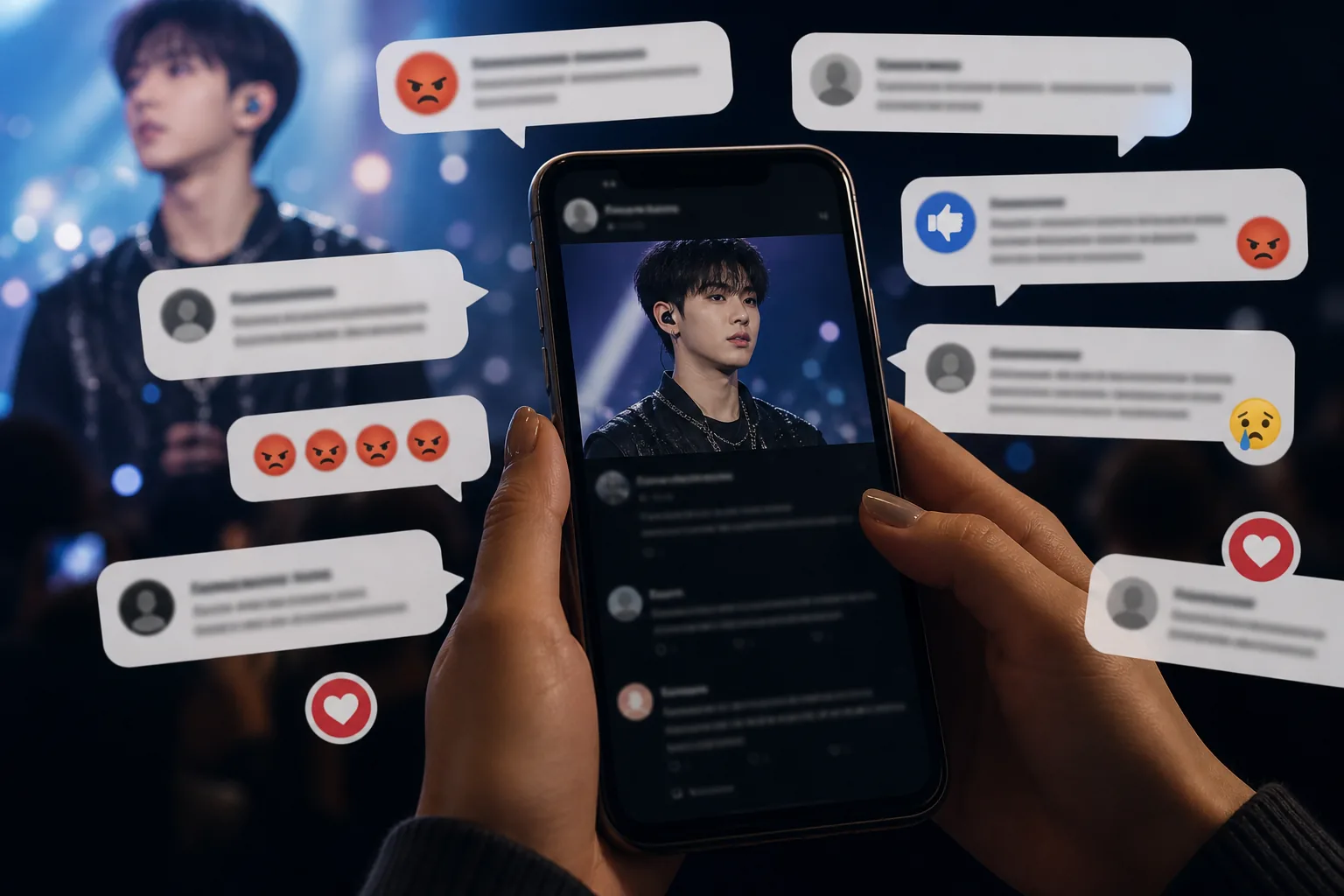
According to Koreaboo, the exchange began when a fan shared a post asking whether people truly considered Changbin unattractive. The post was framed as a defense of the idol, but it quickly reached a much larger audience than a typical fan comment. The report said the post drew more than two million views, while the reaction around it became heavily weighted toward quote posts and retweets rather than simple likes.
That imbalance became part of the story. In social media culture, a post with far more quote reactions than likes is often read as a sign that users are responding critically, sarcastically, or combatively. In this case, the original defense of Changbin appeared to invite not only supportive replies but also comments mocking the fan’s view and attacking the idol’s looks.
A Fan Defense Turns Into a Wider Debate
The article cited several Korean-language reactions that criticized Changbin’s appearance or questioned whether the original fan post was sincere. Some responses used sarcasm, while others were more direct. Although the specific comments came from individual users, their rapid spread highlighted a broader pattern in K-pop discourse: a single viral post can quickly shift from appreciation to public judgment.
Changbin, a rapper and performer in Stray Kids, has long been recognized by fans for his stage presence, muscular build, and distinctive image within the group. The new discussion did not emerge from a comeback, award-show stage, or official promotion. Instead, it centered almost entirely on how people described his visuals, showing how appearance-based commentary can become a headline on its own.
The speed of the reaction matters. K-pop fandoms are highly active online, and supportive posts often circulate as a way to push back against criticism. But those same posts can be pulled into hostile spaces when they reach users outside the intended audience. What begins as protection can expose an artist to a larger wave of negative attention.
Why Visual Criticism Keeps Resurfacing
Visual discussion has always been part of idol culture, but the tone around it has become more complicated as platforms reward sharp reactions. A short insult, sarcastic quote, or exaggerated opinion can travel faster than a more measured comment about an artist’s performance or public image. For idols, that means even ordinary photos or fan conversations can become material for viral judgment.
In Changbin’s case, the criticism also reflects how fourth-generation idols remain under constant comparison. Groups such as Stray Kids operate in a global market where fans, casual viewers, and anti-fans all interact in the same online spaces. The result is an environment where praise and ridicule can appear side by side, often with little separation between fandom debate and personal attack.
There is also a difference between discussing celebrity styling and reducing an artist to appearance. Styling, concept photos, and public image are legitimate parts of idol promotion. But when comments focus on insulting a performer’s face or body, the conversation moves away from critique and toward harassment. That distinction is important because idols are public figures, but they are still individuals repeatedly exposed to mass commentary.
Stray Kids’ fanbase is known for active support, and many fans have previously defended members when they felt online commentary crossed a line. This latest debate is likely to be read by supporters as another example of malicious criticism being amplified for engagement. It may also prompt wider reflection among casual K-pop followers about how easily appearance-focused discourse becomes normalized.
The Bigger Picture For K-pop Fandom
The Changbin discussion is not an isolated case. K-pop idols across generations frequently face viral judgment over weight, facial features, styling changes, airport photos, and candid images. These debates can be especially intense for idols whose public persona does not match a narrow or conventional beauty standard. In that sense, the reaction to Changbin says as much about online fandom behavior as it does about one performer.
For now, neither Changbin nor Stray Kids’ agency has issued a public response to the viral criticism cited in the report. The conversation appears to remain primarily fan-driven, with supporters pushing back against negative comments and critics continuing to circulate their own takes. As with many social media controversies, the immediate wave may pass quickly, but the underlying issue is unlikely to disappear.
The episode underscores a familiar tension in K-pop: fans want to celebrate idols in public, but public celebration can become an opening for mockery when posts break out of fan circles. For artists like Changbin, whose career is built on performance, music, and a strong group identity, the attention around a visual debate is a reminder of how easily online focus can drift away from the work itself.



Join the Conversation
Log in to share your thoughts and join the conversation with other fans.