
Modern Historical Romance K-Dramas Put Love Against Korea’s Changing Eras

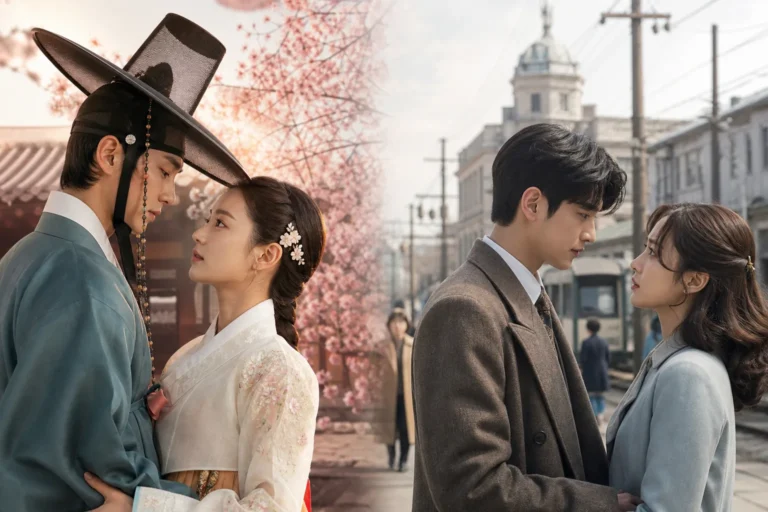
Modern historical romance has become one of K-drama’s most durable formulas, not because it offers easy nostalgia, but because it places private emotion inside moments when society itself is unstable. A new Soompi feature highlighting eight modern historical romance dramas, published on July 5, points to a clear pattern: viewers continue to respond to stories where love, friendship, family, and ambition are tested by Korea’s turbulent 20th century.
The list spans titles set across Japanese-occupied Korea, the early 1900s, the Gwangju Uprising, the authoritarian 1980s, Jeju’s changing decades, and the Korean diaspora experience in Japan. The dramas include A Hundred Memories, Chicago Typewriter, Mr. Sunshine, Oasis, Pachinko, Snowdrop, When Life Gives You Tangerines, and Youth of May. Together, they show how the genre has moved beyond palace intrigue or costume spectacle into stories where recent history feels close enough to shape today’s conversations.
Why Recent History Makes Romance Feel Sharper
In these dramas, romance rarely exists in isolation. A couple may meet through work, school, chance, or shared hardship, but the relationship quickly becomes entangled with class, occupation, state power, migration, or family survival. That is why the emotional stakes often feel heavier than a conventional love triangle. The characters are not only asking whether they can be together; they are asking what kind of life their era will allow them to build.
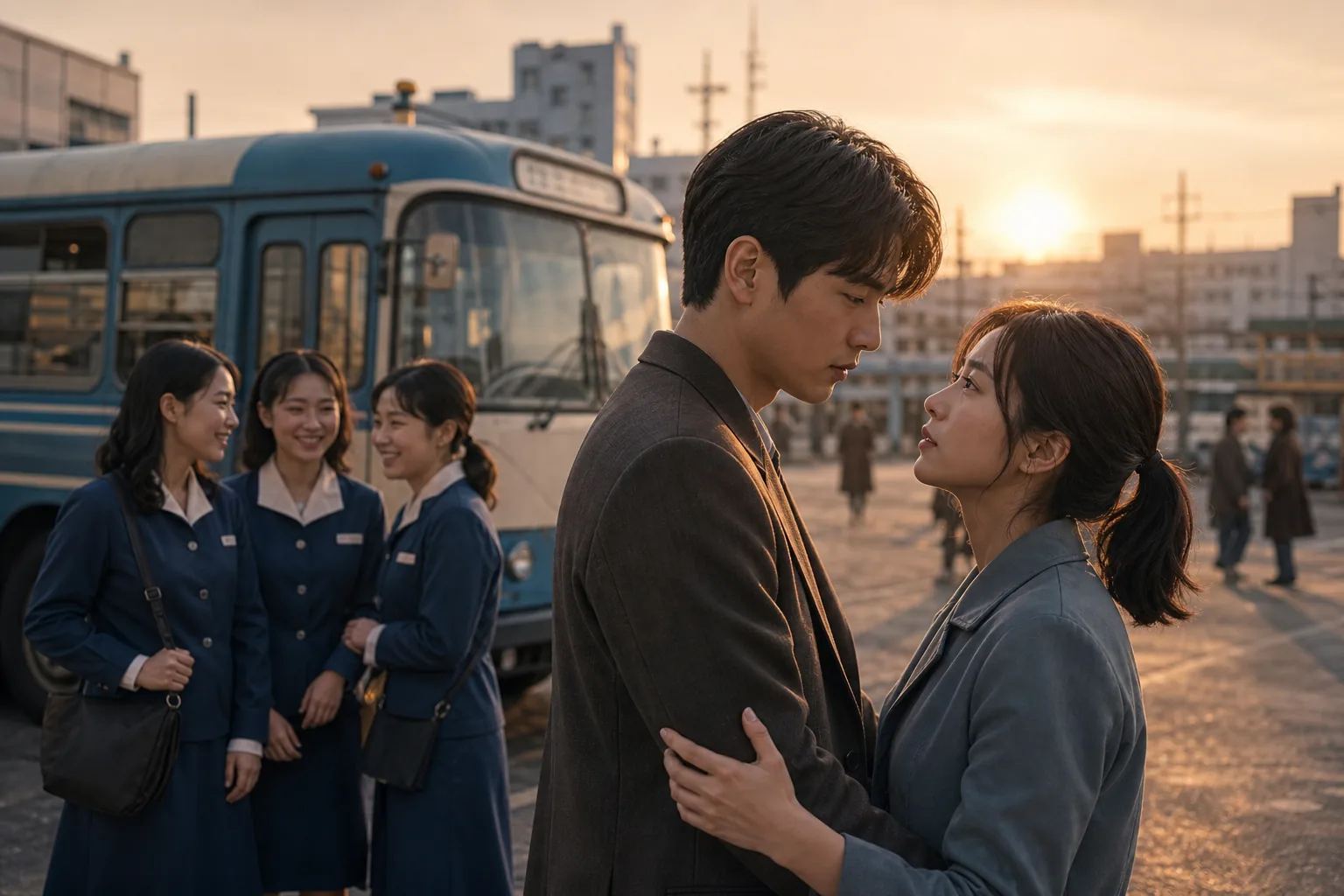
A Hundred Memories, set in 1980s South Korea, is a good example of how the genre can widen its focus. Its story begins with young women working on a bus route, dreaming about education and independence while handling family pressure and economic strain. The romantic thread matters, but the deeper pull comes from female friendship and the question of how ordinary young people imagine a future when their options are limited.
Chicago Typewriter takes a different route by moving between the present day and the 1930s. Its fantasy structure lets the drama explore reincarnation, memory, and unfinished bonds from the Japanese colonial period. The romance is strengthened by the idea that affection can survive across time, but the story’s real weight comes from the characters slowly realizing that their present lives are tied to sacrifice in a previous one.
Love Stories Built On Restraint And Sacrifice
Some of the most widely discussed modern historical romances are remembered less for grand declarations than for restraint. Mr. Sunshine, set in the early 1900s, pairs a Korean-born U.S. Marine officer with a noblewoman involved in the independence movement. Their relationship is built through quiet loyalty, shared ideals, and the awareness that personal happiness may not survive a country under pressure from foreign powers.
That same tension appears in Youth of May, which centers on a medical student and a nurse during the 1980 Gwangju Uprising. The drama’s appeal comes from the contrast between the innocence of first love and the violence surrounding it. The romance feels devastating because the characters’ wishes are modest: time together, a peaceful future, and the right to choose their own lives. History, however, keeps interrupting those hopes.
Snowdrop also uses the late 1980s as a pressure cooker, placing young love inside espionage, ideology, and a hostage crisis. The series remains a divisive title because of its political controversy, but its continued visibility shows how strongly viewers react to romances where affection is trapped by forces far larger than the people involved.
Beyond Couples: Family, Identity, And Survival
Not every title on the list treats romance as the central destination. Pachinko, adapted from Min Jin Lee’s novel, follows a Korean family across generations, beginning with Sunja’s life-changing choices and her move to Japan. Love is important, but it is inseparable from survival, colonial history, discrimination, and the long shadow of migration. The emotional power comes from watching one person’s decisions echo through children and grandchildren.
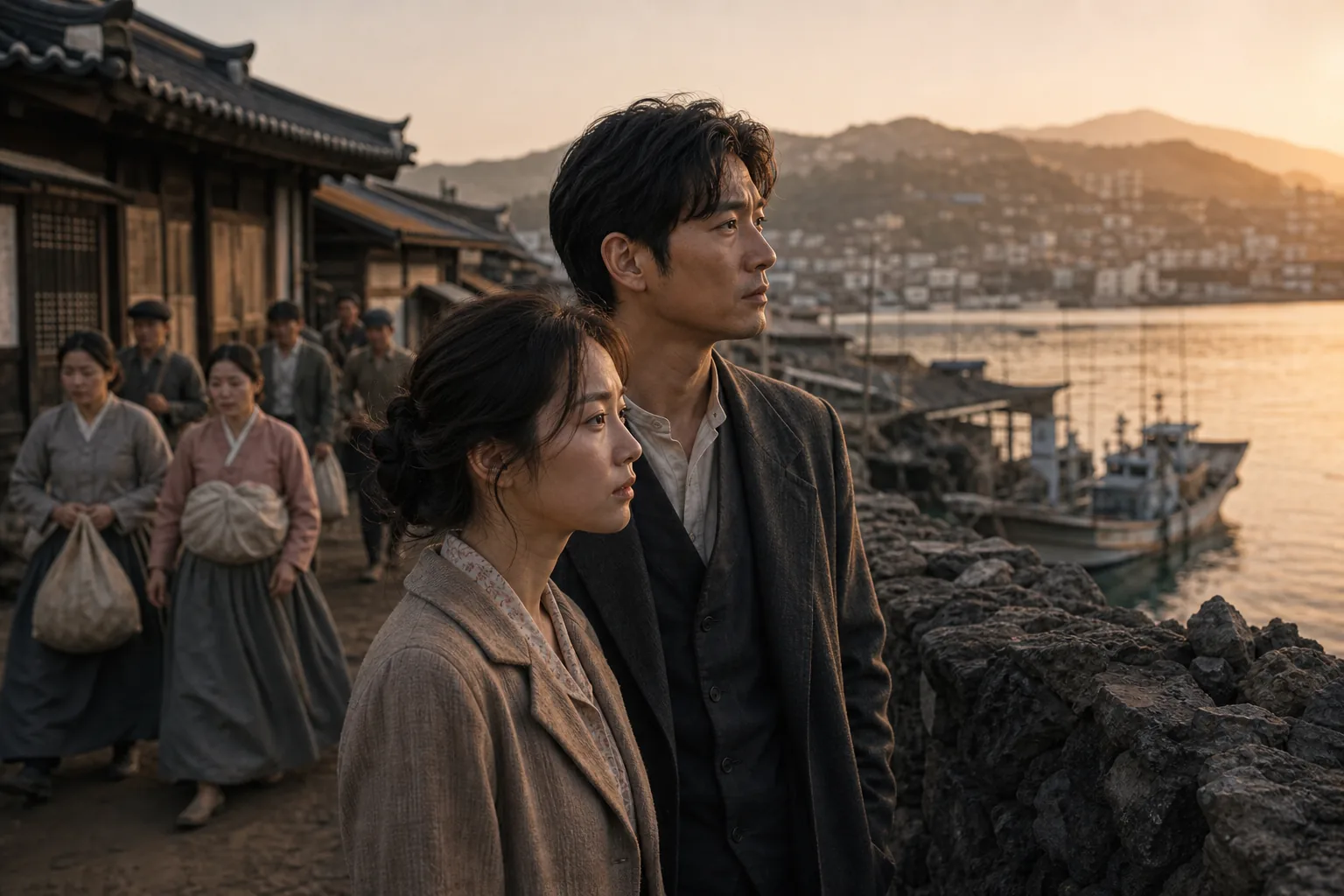
When Life Gives You Tangerines similarly treats romance as part of a full life rather than a single plot engine. Set over decades on Jeju Island, the story follows love, marriage, parenthood, loss, and endurance through the lives of its central couple. Its appeal lies in small gestures and daily devotion, suggesting that historical romance can be intimate without losing scale.
Oasis, set from the 1980s into the 1990s, brings class inequality, political corruption, and friendship into a painful love triangle. The drama begins with youthful emotion but grows into a broader portrait of people shaped by systems they did not create. That shift reflects a key strength of the modern historical romance wave: the best entries use love to open the door, then ask viewers to look at the society around it.
For international audiences, these dramas can also function as accessible introductions to Korean modern history. They are not replacements for documentaries, books, or historical research, but they can make viewers curious about the real events, social tensions, and cultural memories behind the fiction. The romance offers the emotional hook; the historical setting gives the story consequence.
The popularity of these titles suggests that viewers are not only looking for escapism. They are also drawn to stories about people trying to love honestly in circumstances that make honesty costly. Whether the setting is a colonial-era resistance circle, a 1980s bus company, a Jeju household, or a family split between Korea and Japan, the question remains the same: how do ordinary people protect affection, dignity, and hope when the world around them is changing too quickly?

Join the Conversation
Log in to share your thoughts and join the conversation with other fans.