
No Hong Chul’s 15.2 Billion Won Garosu-gil Deal Puts Celebrity Real Estate Back In Focus

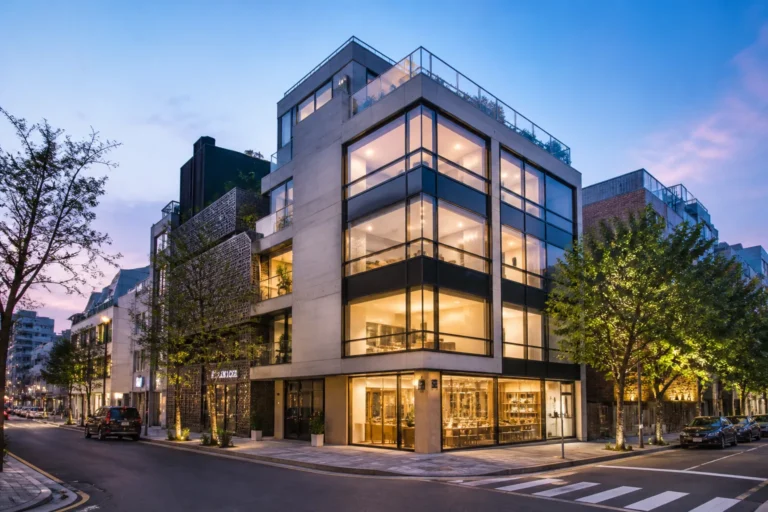
Broadcaster No Hong Chul is back in Korean entertainment headlines for a reason that has little to do with a variety-show set: a reported 15.2 billion won building purchase in Seoul’s Garosu-gil area. The deal has become a talking point because it connects several familiar celebrity names, a sharp resale loss, and a property market that no longer looks as forgiving as it did during the boom years.
According to Korean reports, the building is located in Sinsa-dong, Gangnam District, near the Garosu-gil commercial area. It is described as a basement-one, five-story property that previously passed through the hands of broadcaster Kang Ho Dong and then a company linked in reports to singer MC Mong and entertainment businessman Cha Ga Won. The latest buyer is reported to be No Hong Chul, one of Korea’s most recognizable TV personalities.
The numbers are what made the story spread. Kang Ho Dong reportedly bought the building for 14.1 billion won in 2018 and sold it years later for 16.6 billion won. The next owner, The Mue, is reported to have resold it to No Hong Chul for 15.2 billion won after about a year and a half. On paper, that means the seller accepted a 1.4 billion won discount from its purchase price, before considering taxes, interest, and other transaction costs.
A Celebrity Deal With Market Signals
Celebrity property stories in Korea often become shorthand for wealth, status, or investment instincts. This one is more complicated. The reported resale loss has turned the building into a small case study in timing, especially because Garosu-gil was once treated as one of Seoul’s trendiest retail strips. The area still carries brand value, but changing foot traffic, higher financing costs, and vacancy concerns have made investors more selective.
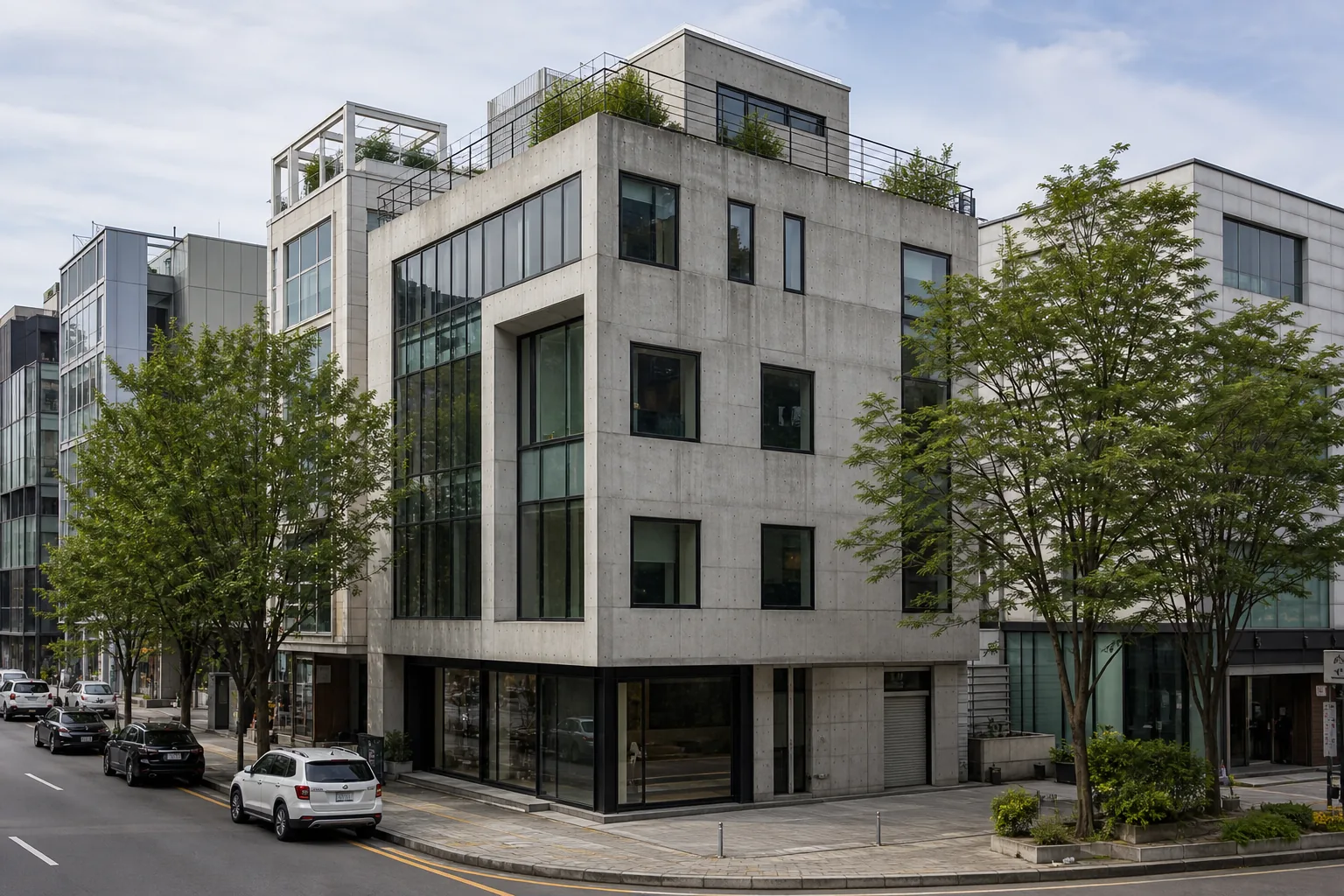
Reports also focused on the financing structure. The property is said to have a mortgage claim maximum of 18 billion won registered against it. Because Korean mortgage claim maximums are often set above the actual loan amount, some outlets estimated that the underlying borrowing could be roughly in the 14 billion to 15 billion won range. Those figures are estimates based on registration conventions, not a direct disclosure of No Hong Chul’s private finances.
That distinction matters. A heavily financed purchase can look aggressive, but it can also reflect a buyer’s confidence in rental income, future renovation value, or long-term location recovery. No Hong Chul has built a public image around business curiosity and unconventional lifestyle choices, so the deal has been read by some viewers as an extension of his broader personal brand: high-energy, risk-tolerant, and willing to make moves that keep people talking.
Why The Entertainment Angle Matters
The story also drew attention because of the previous seller’s entertainment links. SBS Entertainment News previously reported that The Mue had connections to MC Mong and Cha Ga Won, and that the building had been associated with plans for content production or a complex cultural space. Those details gave the transaction a second layer beyond real estate: fans and industry watchers connected the building to wider questions about celebrity-linked businesses, agency finance, and how entertainment figures diversify income outside broadcasts and music.
Asia Economy’s earlier market reporting placed the sale inside a broader trend in Seoul’s small-building market. Even as some transaction volume has recovered, certain Gangnam-side properties have reportedly changed hands only after sellers lowered expectations. The pressure is especially visible in older commercial buildings on side streets, where tenants may be harder to secure and renovation costs can quickly weaken returns.
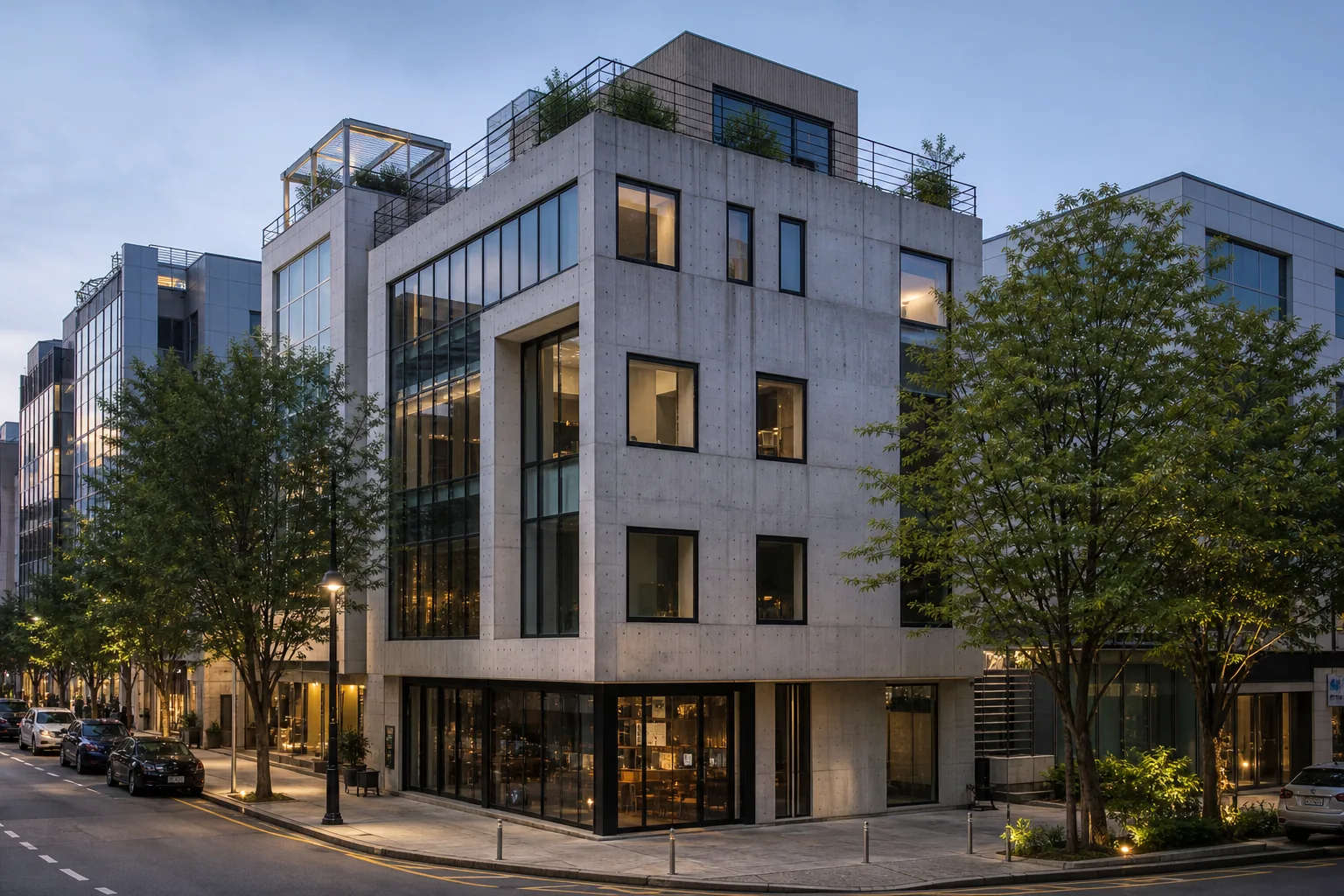
For entertainers, that environment creates a different kind of public narrative. In the past, a celebrity buying a Gangnam building could be framed as a near-automatic success story. Now, the same headline invites questions about debt, vacancy risk, interest rates, and whether a famous buyer is stepping in at a discount or catching a falling asset. No Hong Chul’s reported purchase sits exactly in that debate.
Nothing in the available reports suggests a dispute over the transaction itself. The interest is mainly analytical: who bought, who sold, at what price, and what the deal says about Korea’s cooling high-profile commercial property market. It is also a reminder that celebrity wealth stories are rarely just about the celebrity. They often reflect broader shifts in credit conditions, neighborhood economics, and the way public figures try to turn fame-era income into longer-term assets.
Public Curiosity Beyond The Price Tag
No Hong Chul’s name gives the story reach, but the lasting discussion may be about timing. If Garosu-gil rebounds and the building is repositioned successfully, the reported discount could look like a calculated entry point. If vacancies and financing costs remain difficult, the same purchase could become a lesson in how hard commercial real estate has become even for highly visible buyers.
For now, the deal lands as one of those Korean entertainment stories where celebrity, business, and urban economics overlap. It is not a comeback, casting announcement, or variety-show moment, but it still tells audiences something about the off-screen decisions that can shape a public figure’s next chapter.



Join the Conversation
Log in to share your thoughts and join the conversation with other fans.