
LE SSERAFIM, ILLIT and KATSEYE Debut “ICONIC BY MISTAKE” Choreography in New Dance Practice Video

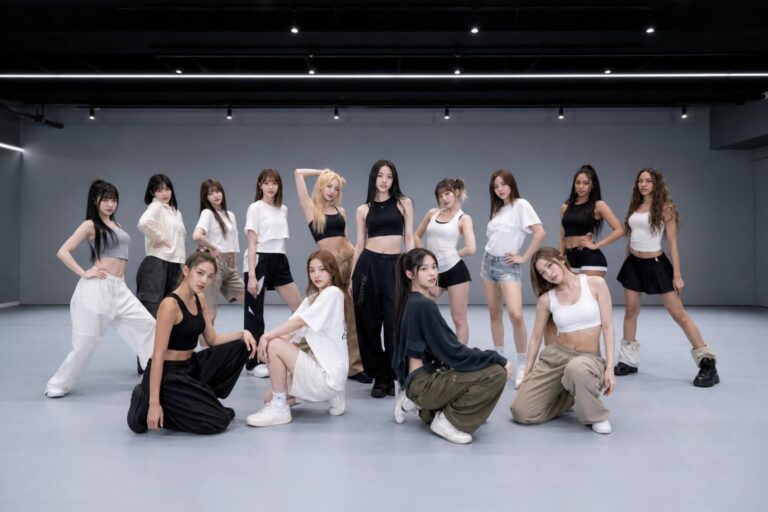
HYBE has released a new choreography-focused dance practice video for “ICONIC BY MISTAKE”, spotlighting the collaboration between LE SSERAFIM, ILLIT, and KATSEYE. The video drops amid heightened interest in the groups’ cross-project partnership and offers fans a clearer look at the synchronization and staging that originally debuted during a live performance on M Countdown, according to Soompi.
The new release arrives after the collaboration single’s performance debut, with the video providing a more detailed breakdown of the choreography than fans typically get in live broadcast footage. HYBE published the dance practice on June 14, following an earlier showcase of the choreography during the groups’ performance segment on M Countdown, the outlet reported.
A choreography-first release for a multi-group moment
“ICONIC BY MISTAKE” is positioned as a signature cross-group project—one that brings together three separate fanbases under a single musical and visual concept. In that context, dance practice videos serve an outsized role: they function not only as entertainment, but as a tool for fans to analyze formation changes, key gestures, and rhythm-specific movements that might be difficult to spot in a quick, high-energy stage performance.
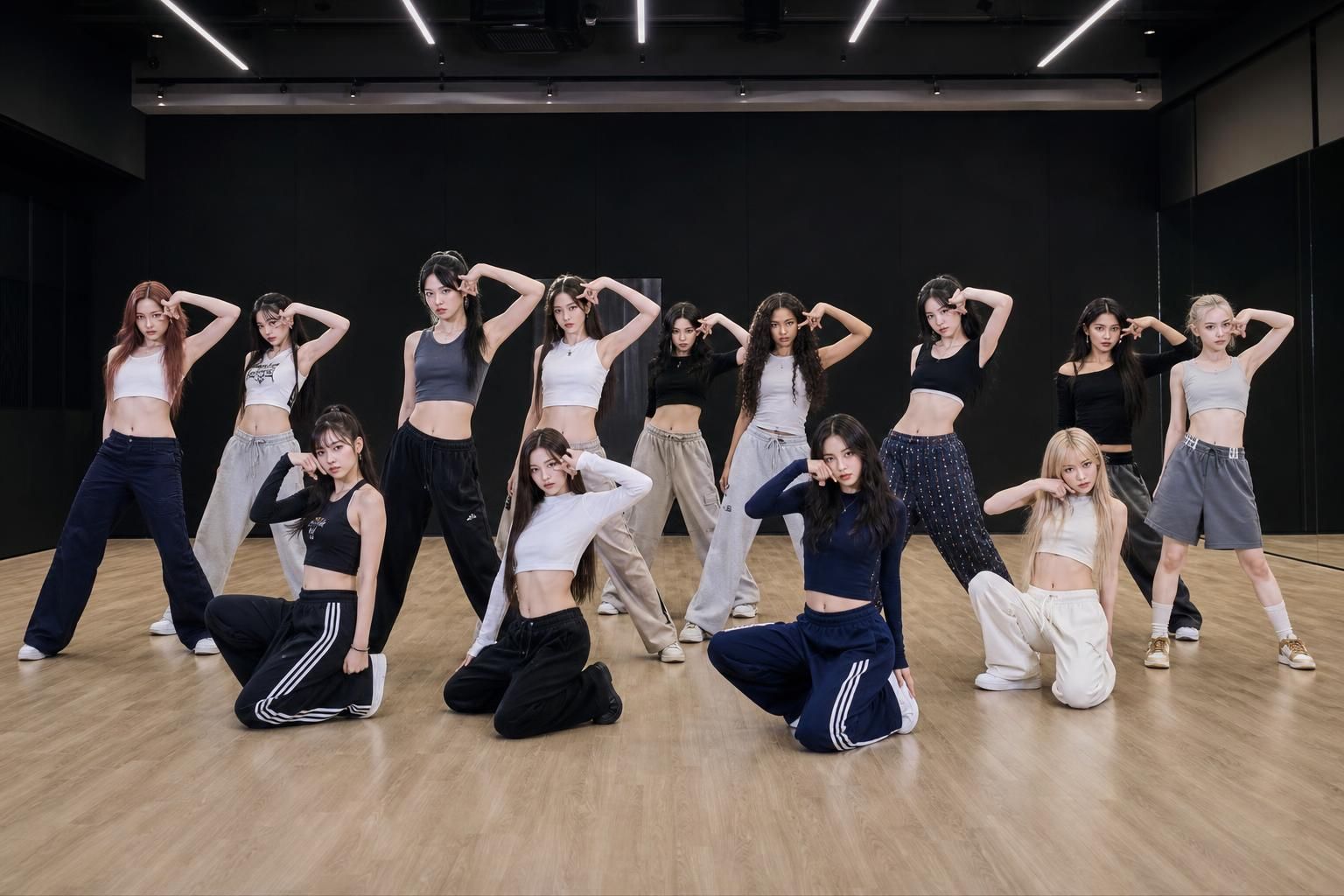
In this case, the video effectively bridges the gap between stage debut and full fan interpretation. Soompi notes that the choreography was first shown through the M Countdown performance, and the dance practice offers a more structured environment for viewers to follow the sequence more precisely—especially the moments where group identity must blend seamlessly despite distinct group styles.
Why the “practice” format matters in K-pop’s visual ecosystem
K-pop collaborations increasingly rely on multiple layers of content release, and choreography practice videos have become a key mechanism for sustaining momentum after a song’s initial public appearance. By focusing on dance—often with clearer camera angles and less on-stage disruption—labels can turn choreography into a shareable “signature” that fans can replay, react to, and recreate.
That matters even more for multi-act collaborations like this one. When three different groups participate, choreography becomes a unifying language: it has to feel coherent as a single piece while still allowing each team’s performers to stand out in their own moments. A practice video is the most direct way to demonstrate how that balance is achieved—through timing, spacing, and the way dancers transition between formations.
Cross-pollinating audiences with a single, recognizable choreography
“ICONIC BY MISTAKE” also stands out because it is not a typical one-group comeback cycle. Instead, it’s a collaboration that draws attention to how HYBE organizes talent and content across different lineups and projects. Fans often track a collaboration’s success not only by streaming numbers, but by the cultural “stickiness” of its visuals—especially the parts of a dance that go viral.
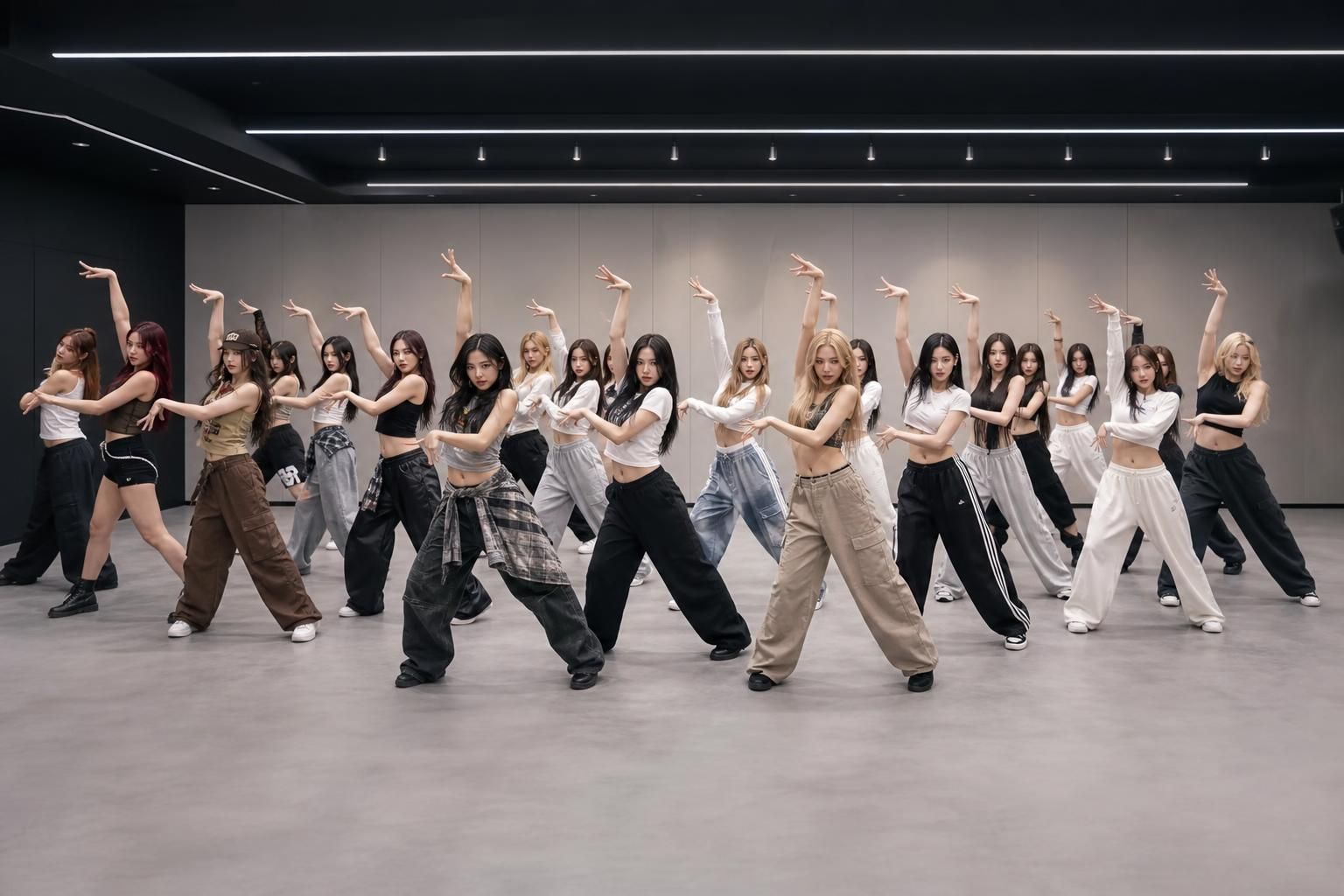
Dance practice videos are designed for that exact purpose. Once the choreography is viewable in a detailed format, it becomes easier for short-form creators to cut it into trending clips and for international fans to learn it. That can amplify the song’s reach beyond the initial audience, helping the collaboration become something that is not just heard, but actively participated in.
What to watch next after the video drop
With the choreography video now available, the next phase for “ICONIC BY MISTAKE” will likely center on continued promotion and fan-led engagement. Common outcomes include more cover performances, choreography challenges, and additional behind-the-scenes content that expands the collaboration’s narrative—particularly how the three groups’ styles were merged during rehearsal.
For viewers, the practical next step is to compare what the choreography looks like in stage broadcast footage versus the cleaner practice format. Fans will also likely watch for whether the formations and accent moves remain consistent across performances, as labels sometimes adjust choreography slightly to account for live camera coverage and stage constraints.
As HYBE continues to build cross-project initiatives, this collaboration—and its emphasis on choreography clarity—suggests that future releases may increasingly treat dance not just as support for the music, but as the primary interface between major talent and a global audience.



Join the Conversation
Log in to share your thoughts and join the conversation with other fans.
There is something really warm about seeing hard work turn into moments like this.
There is a gentle kind of curiosity in this update. It makes me want to see what comes next.
I like that this gives the story room to breathe. Curious how people feel after reading the full context.