Choi Yoojung Opens Up About Trainee-Era Diet Pill Side Effects

Choi Yoojung recalled secretly taking diet pills as a trainee and described several side effects, adding to discussion about body pressure in idol training.
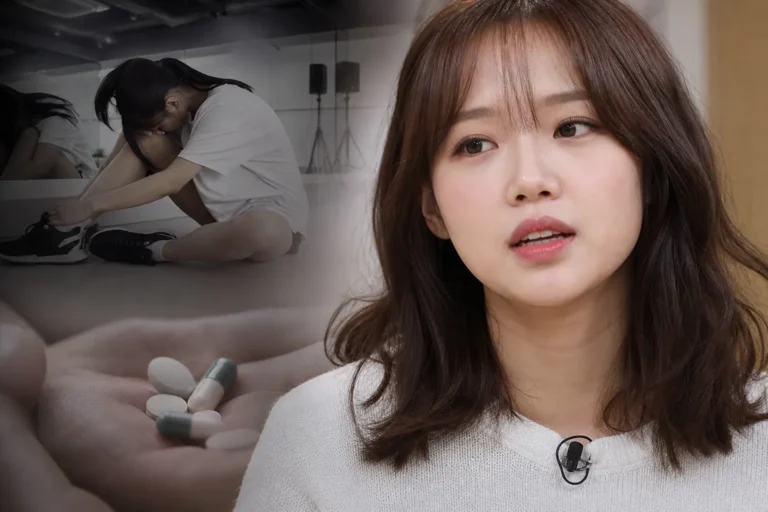
Choi Yoojung has added a personal account to the ongoing conversation about body pressure in K-pop training. The singer and former I.O.I member spoke about taking diet pills during her trainee years during an appearance on Park Semi’s YouTube program Hello Semi, where the two discussed the gap between how entertainers appear on camera and how they look in person.
The episode, released on July 4, centered on a casual visit and meal at Choi’s home. What began as a light conversation about camera angles and thinness shifted into a more serious reflection when Park Semi said she had tried diet pills in her twenties. Park explained that, at the time, she believed appetite suppression seemed like a benefit, even though the risks are now discussed more openly.
Choi responded that she had also taken such pills in the past. According to the report, she said the experience happened when she was a trainee and was being told to lose weight. She recalled feeling desperate because she was repeatedly pushed to slim down despite being at a normal weight, and said she took the pills without telling her company.
A Personal Account Of Trainee Pressure
Choi described several side effects from that period, including dry mouth, unpleasant breath, a racing heartbeat, nausea, and dizziness. Her comments were brief, but they were specific enough to underline why the subject remains sensitive in idol culture: weight management is often presented as part of performance preparation, yet the health consequences can be intensely personal and largely unseen.
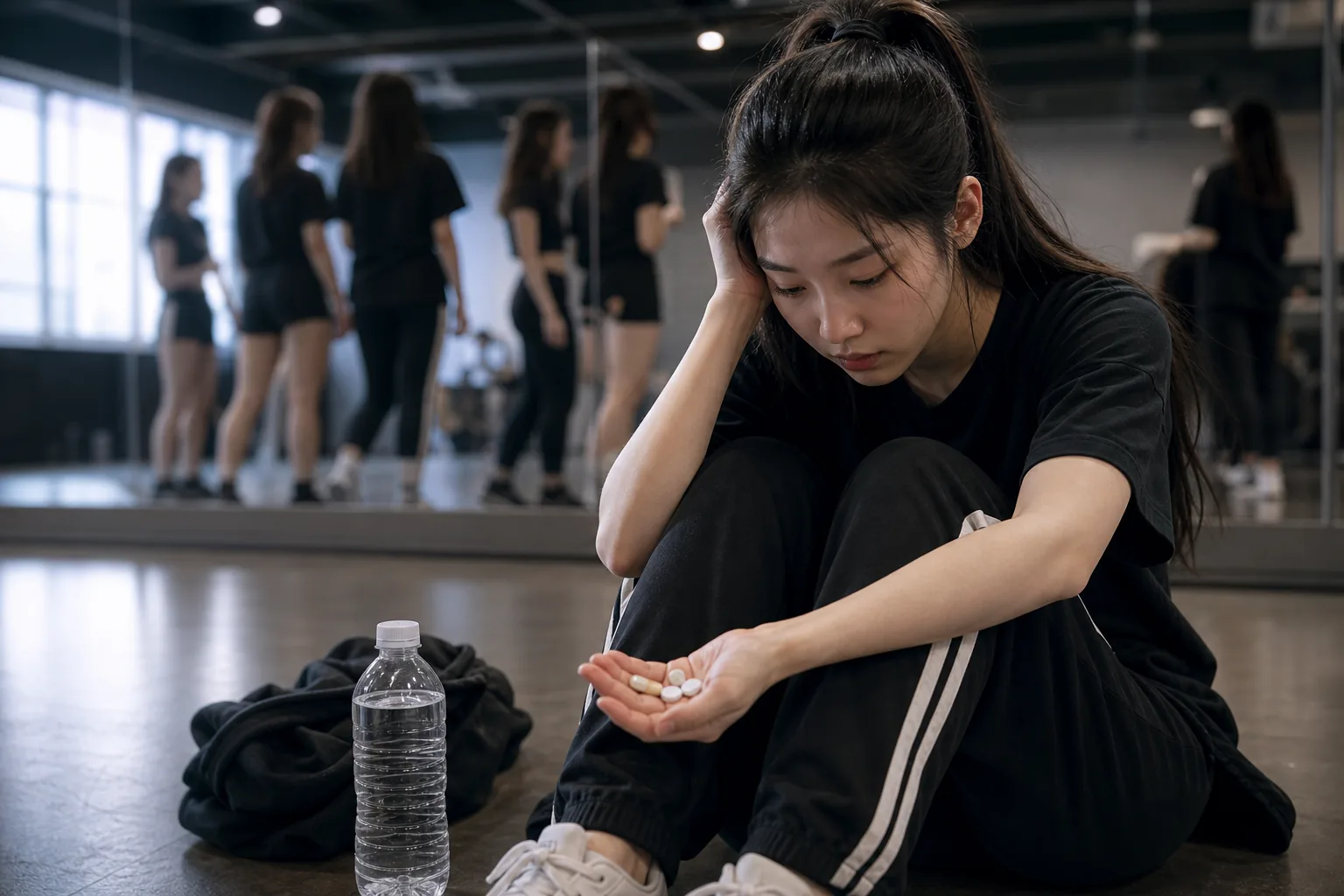
The conversation also included Park’s own recollection of a frightening reaction. Park said she once felt, while showering during a hotel stay with a friend, as if someone was watching and might harm her. She described that fear as a side effect in her case. The exchange made the segment less about celebrity confession and more about how easily young performers can normalize risky choices when appearance standards feel urgent.
Choi’s account is notable because it frames the issue from the trainee stage, before idols have the public status, bargaining power, or support systems that fans may imagine. Trainees often live under close evaluation, with performance, visuals, stamina, and marketability all weighed together. In that setting, even a comment about losing weight can carry the force of a career instruction.
Why The Conversation Resonates
Public discussion around K-pop body standards has grown in recent years as more artists, former trainees, and industry observers have spoken about dieting, mental health, and the pressure to meet narrow visual expectations. Choi did not present her story as a broad accusation against a named company or individual. Instead, she described a decision made in secrecy by someone trying to satisfy a demand she felt she could not ignore.
That distinction matters. The most meaningful part of the story is not whether one performer made one difficult choice, but how common the conditions around that choice can feel to fans who follow idol careers closely. When weight loss is treated as a routine part of preparation, young entertainers may struggle to separate professional feedback from health risk.

Choi’s comments also show why conversations about idol wellbeing cannot be limited to dramatic scandals or formal agency statements. Sometimes the clearest view comes from small moments on entertainment programs, when performers speak in ordinary language about what they once accepted as normal. Those moments can help audiences understand that the polished stage image often comes after years of private stress.
For Choi, the discussion arrived in a setting built around everyday conversation rather than a press conference. That tone may be why the remarks traveled quickly: they sounded less like a prepared message and more like a memory shared after hearing someone else describe a similar experience. In a media environment where idols are often expected to be upbeat, that kind of candor can stand out.
The broader takeaway is straightforward. Health decisions made under career pressure deserve more care, not more secrecy. Choi’s account does not answer every question about training culture, but it gives fans another reason to look beyond appearances and ask how young performers are supported before they reach the stage.
What Readers Are Discussing
- “I hate that she was already a normal weight and still felt pushed to do that.”
- “This is why trainee health needs to be treated like a real workplace issue.”
- “I’m glad she talked about the side effects instead of making it sound normal.”
- “The scary part is how quietly these choices can happen behind the scenes.”



Comments