
Lee Seung-yoon Frames Fourth Album ‘0’ as a Map of His Long Road in Music

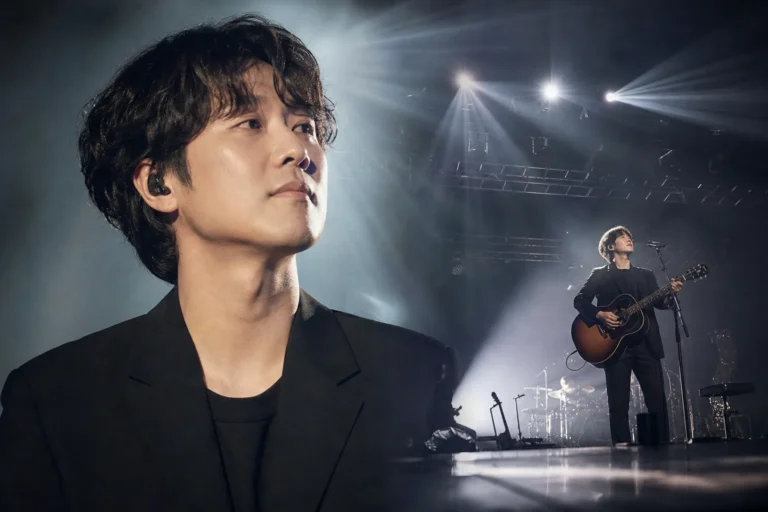
Lee Seung-yoon is presenting his fourth full-length album, 0, less as a conventional comeback marker than as a look back at the long, uneven route that made his current music possible.
In a new YTN Culture Inside feature scheduled around the July 4 broadcast, the singer-songwriter discussed his years after winning JTBC’s Sing Again, the pressure of measuring his own music honestly, and the thinking behind an unusually expansive 29-track album.
The interview gives fresh context to an artist whose public image has often been tied to sudden discovery. Lee became widely known through Sing Again, but his comments point to a slower story: years of writing, performing, second-guessing, and trying to understand whether his songs could stand outside his own expectations.
A Career Built Before the Breakthrough
Lee said his early adult years were not defined by a single-minded sprint toward celebrity. According to the YTN report, he described wanting to pursue music seriously while also fearing what might happen if effort did not produce results. That uncertainty led him to maintain an ordinary life alongside music through much of his twenties.
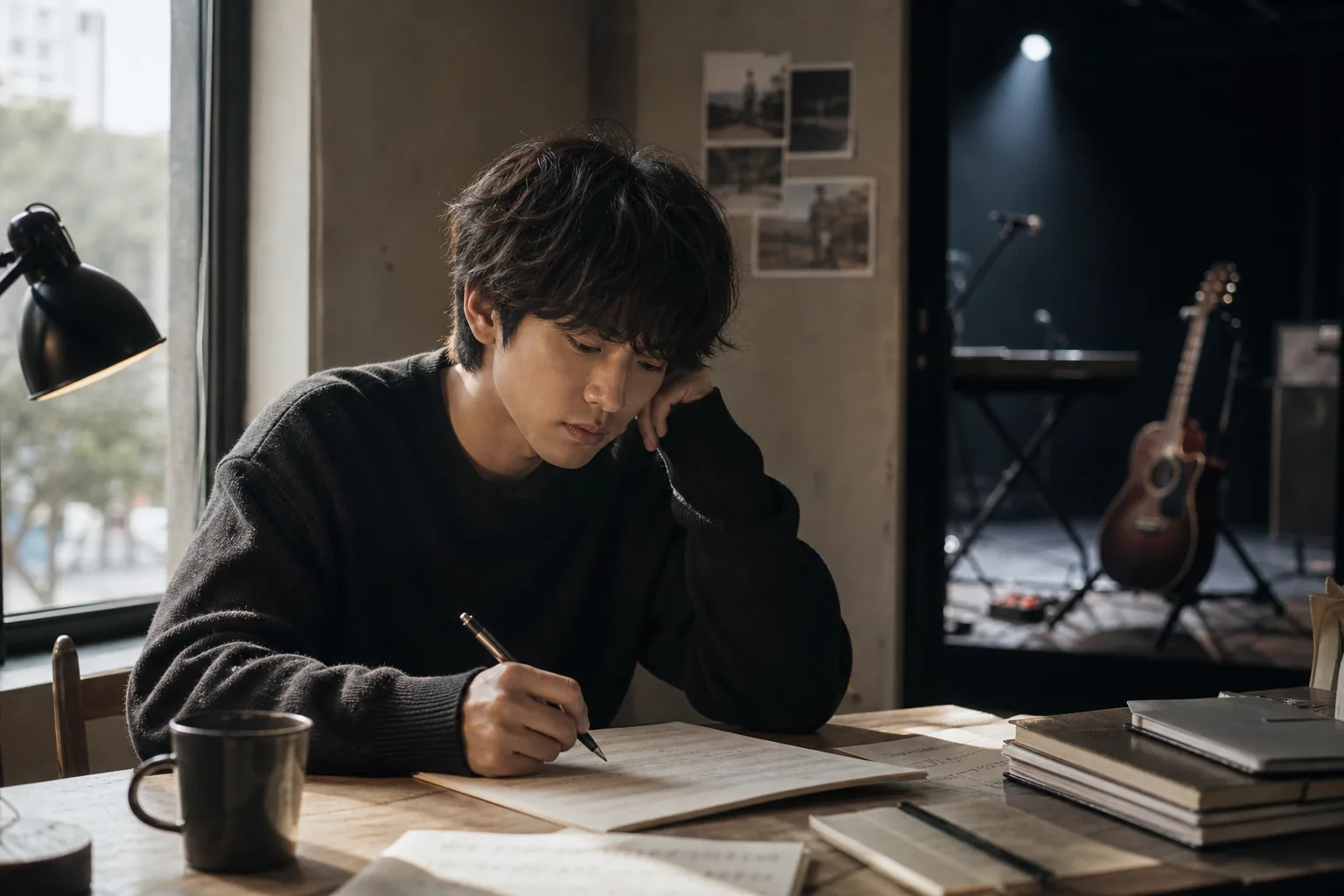
That detail matters because it challenges the usual survival-show narrative. A televised win can make an artist look as though they arrived all at once, but Lee’s account places the competition closer to a checkpoint than a starting line. Before Sing Again, he had already passed through university music contests, band activity, and steady album work.
By the time he entered Sing Again in his thirties, Lee was not simply chasing exposure. The YTN feature says he wanted a clearer outside measure of the songs and arrangements he had been carrying for years. His bold reinterpretations on the program helped him win the first season and gave a broader audience a reason to follow a musician who had already been building a distinct language.
Why ‘0’ Looks Backward and Forward
Since that win, Lee has widened his stage footprint while continuing to release music at his own pace. YTN noted that his third full-length album earned him three honors at the Korean Music Awards, a sign that his work has been recognized for both artistic identity and public reach.
The new album 0 extends that trajectory in a deliberately large form. With 29 songs, it combines previously unreleased material and new work, suggesting an archive as much as a fresh release. Rather than trimming his history into a compact statement, Lee appears to be letting listeners hear more of the path that brought him here.

That choice fits the way he spoke about his audience. He framed his career not as entering a fixed lane, but as finding people who wanted to move with him. It is a subtle distinction, but an important one for an artist whose appeal rests on tension: rough-edged performance energy, careful songwriting, and a refusal to polish every corner into predictability.
Concerts as Shared Space
Lee also connected his recent live work to a broader idea of performance. YTN reported that he held an outdoor show in May with multiple invited musicians, approaching it less as a one-way recital than as a space where artists and fans could share the atmosphere together.
He described wanting the audience to feel a festival-like mood and said he was interested in trying a kind of concert format that is not common in Korea. That ambition helps explain why 0 is arriving with a sense of scale. The album’s size and his live plans both suggest an artist thinking about music as a world to enter, not only a product to stream.
For Korean music fans, Lee’s current chapter is also a reminder that the singer-songwriter lane remains commercially and culturally flexible. Idol groups may dominate global K-pop headlines, but solo musicians with strong authorship can still build devoted audiences when their work offers a clear point of view.
The next test for 0 will be whether its breadth feels inviting rather than overwhelming. A 29-track album asks for time, but Lee’s recent comments make the length easier to understand: this is not only a new release, but a self-portrait assembled from the songs, doubts, stages, and collaborators that shaped him.
If the album succeeds on those terms, Lee Seung-yoon’s post-competition identity will look even less like a survival-show afterglow and more like what his fans have argued for years: the late public recognition of an artist who had already been doing the work.


Join the Conversation
Log in to share your thoughts and join the conversation with other fans.