

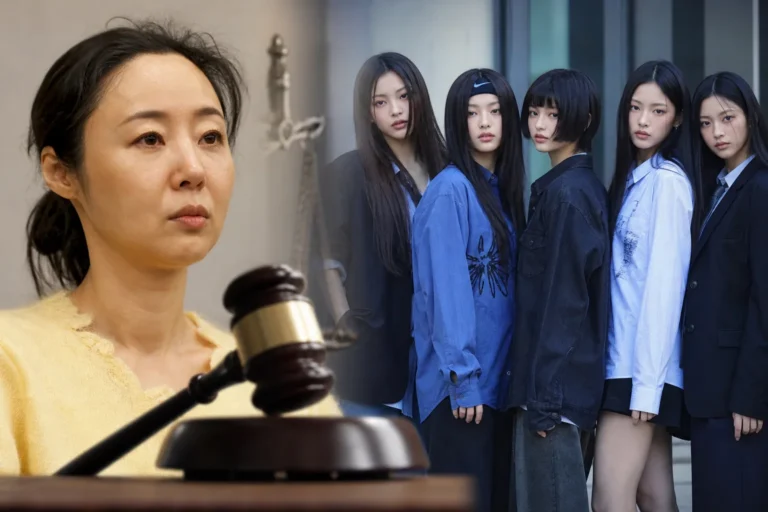
ADOR has brought new attention to its long-running dispute with NewJeans and former ADOR chief Min Hee-jin, telling a Seoul court that Min was allegedly involved in planning key moments around the group’s attempted break from the label. The claims, reported from a July 2 damages hearing, add another layer to a conflict that has already reshaped one of K-pop’s most valuable girl groups.
The latest hearing centered on ADOR’s lawsuit against former NewJeans member Danielle, a family member, and Min. Korean reports said the label argued that internal messages and recordings showed Min did not merely advise from the sidelines, but allegedly helped shape actions connected to livestreams, a contract-termination press conference, legal strategy, and post-ADOR activities. The allegations remain part of an active civil dispute, and they should be read as claims presented by ADOR in court, not as final findings.
What ADOR Claims Was Behind The Break
According to reports from the hearing, ADOR said Min was involved before and after leaving her formal role at the company. The label reportedly pointed to a September 2024 recording in which Min allegedly discussed the need to create evidence for a contract-termination case and to keep her own role separate because of potential tampering concerns. ADOR also claimed that communications with parents and staff showed direction over how the members should present their complaints.
The company further argued that the group’s Hong Kong ComplexCon appearance and related independent entertainment activity were not spontaneous choices by the members alone. ADOR said Min allegedly helped plan or approve steps that the label viewed as inconsistent with the group’s exclusive contracts. Reports also cited ADOR’s claim that contacts involving outside business interests and a later exclusive arrangement raised questions about whether the dispute was moving beyond a normal label-artist disagreement.

One sensitive point involved the earlier public claim that member Hanni had been told to be ignored by another label’s staff. TV Chosun reported that ADOR argued in court that wording connected to the incident was allegedly added or shaped as part of a legal narrative. That allegation matters because the incident became one of the most widely discussed examples used by NewJeans supporters when arguing that the group had lost trust in ADOR.
A Dispute That Has Already Changed NewJeans
The broader conflict dates back to the fallout between HYBE, ADOR, Min, and NewJeans after Min was removed from ADOR leadership. NewJeans later attempted to leave the company, briefly promoted outside ADOR’s control, and used the NJZ name during the dispute. Courts previously limited the group’s ability to operate independently while contract questions remained unresolved, keeping the case at the center of debate over how far idol autonomy can go under long-term entertainment contracts.
The situation became even more complicated when ADOR terminated Danielle’s contract and pursued damages, a move that international outlets described as a major escalation in a feud already watched far beyond Korea. ADOR has framed its position around alleged contract breaches and outside influence. Supporters of the artists have often focused on trust, creative identity, and whether the members could reasonably continue under a label structure they publicly rejected.
For K-pop fans, the new claims are difficult to separate from years of emotional investment in NewJeans’ image, music, and relationship with Min as the group’s original creative architect. The legal arguments, however, are moving through a very different arena. Courts will be looking at contracts, evidence, authority, damages, and whether alleged conduct crossed the line from advice or advocacy into unlawful interference.

The case also carries industry-wide significance. If ADOR succeeds in proving that a former executive or outside parties encouraged contract breaches, agencies may push for tighter controls around artist communications, outside performances, and post-departure planning. If the defendants successfully challenge ADOR’s account, the dispute could instead strengthen arguments that idol groups need clearer routes to address management breakdowns without risking enormous damages claims.
Why The Latest Hearing Matters
The July hearing does not end the matter, but it gives a clearer picture of ADOR’s strategy. The label appears to be trying to connect separate public events, including livestreams, press statements, court filings, and overseas activity, into one alleged pattern of coordinated contract disruption. That is a more sweeping argument than simply saying one member or one family made an isolated decision.
Min has previously denied wrongdoing in the wider HYBE-ADOR dispute, and the current damages case is still being contested. Until the court weighs the evidence, the safest reading is that ADOR has sharpened its allegations while the defendants still have room to answer them. What is already clear is that the NewJeans conflict has moved beyond ordinary comeback delays or management disagreements. It is now a test case for creative control, artist loyalty, executive influence, and the legal boundaries of K-pop’s label system.



Join the Conversation
Log in to share your thoughts and join the conversation with other fans.