
Junior Flavor Kumamoto Management Warns Against Inappropriate Requests Toward 14-Year-Old Member

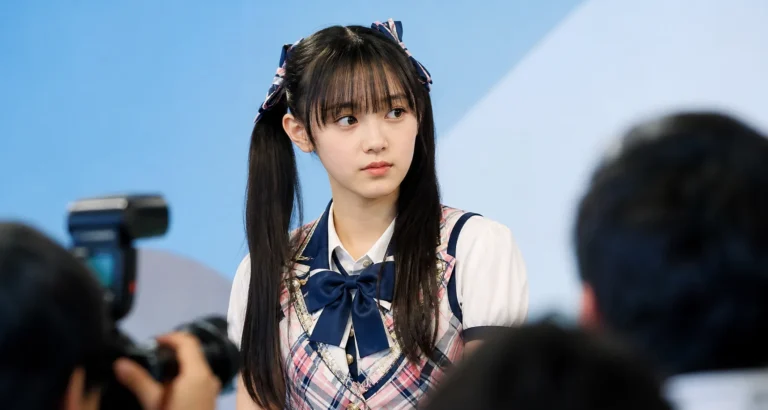
Junior Flavor Kumamoto’s management has issued a public warning after receiving reports that a 14-year-old member of the idol group was asked to make inappropriate poses during a fan photo session. The notice, posted on X on June 24, said the request was declined, but the same request was allegedly made again. Management also said comments unsuitable for a child were directed at the member.
The Japanese idol group has three members: Ayaka, Yuki, and Misaki. While the management statement did not name the member involved, the report noted that Misaki is the group’s only 14-year-old member. She joined the group in 2020, when she was eight, making the incident especially concerning for fans who follow the group’s long-running local activities.
The statement asked fans to remember that the member is still a minor and to be mindful of her age during photo opportunities and other direct interactions. Management said staff may step in and issue warnings if similar conduct continues, signaling that the group is prepared to intervene when boundaries are crossed.
A Photo Event Becomes a Boundary Test
Idol photo sessions are usually built around short, structured exchanges: a fan approaches, a pose is selected, a picture is taken, and staff move the line along. Those moments can feel casual, but they are still professional settings. When a performer is underage, the gap between friendly fan service and inappropriate pressure becomes far more serious.
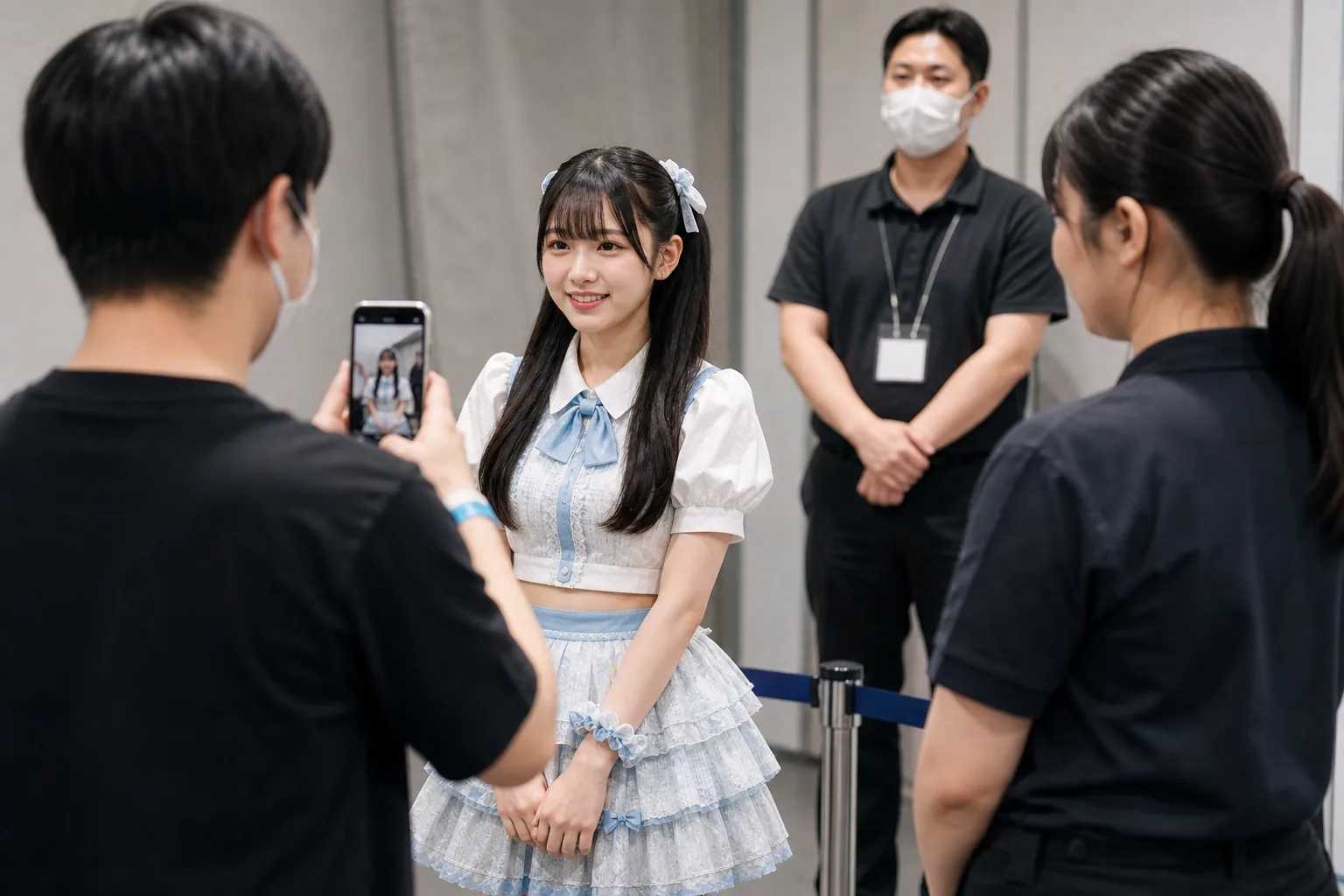
In this case, the concern is not only that an unsuitable pose was requested, but that the request was reportedly repeated after being refused. That detail matters because it points to a disregard for staff judgment and the performer’s comfort. A fan interaction can only work when the performer, staff, and audience all understand that refusal ends the matter.
The reported comments add another layer to the issue. Even when no physical contact is involved, verbal behavior can create an unsafe environment for a young performer. For minors in entertainment, especially idols who meet supporters at close range, inappropriate language can be just as damaging to the atmosphere as an inappropriate pose request.
Why Minor Protection Is Becoming a Larger Industry Issue
The warning arrives amid broader scrutiny of how entertainment companies protect young performers in public-facing promotional work. Idol culture often relies on accessibility: handshake events, photo sessions, livestreams, fan calls, and small venue appearances all help groups build loyal audiences. That accessibility can be valuable, but it also creates situations where underage members may be exposed to adult behavior they should not have to manage alone.
For agencies, the practical question is how to make boundaries visible before a problem happens. Clear pose rules, age-specific restrictions, staff positioned close enough to intervene, and immediate consequences for repeat violations can reduce ambiguity. The more explicit the rules are, the less pressure falls on the minor performer to reject a request in the moment.
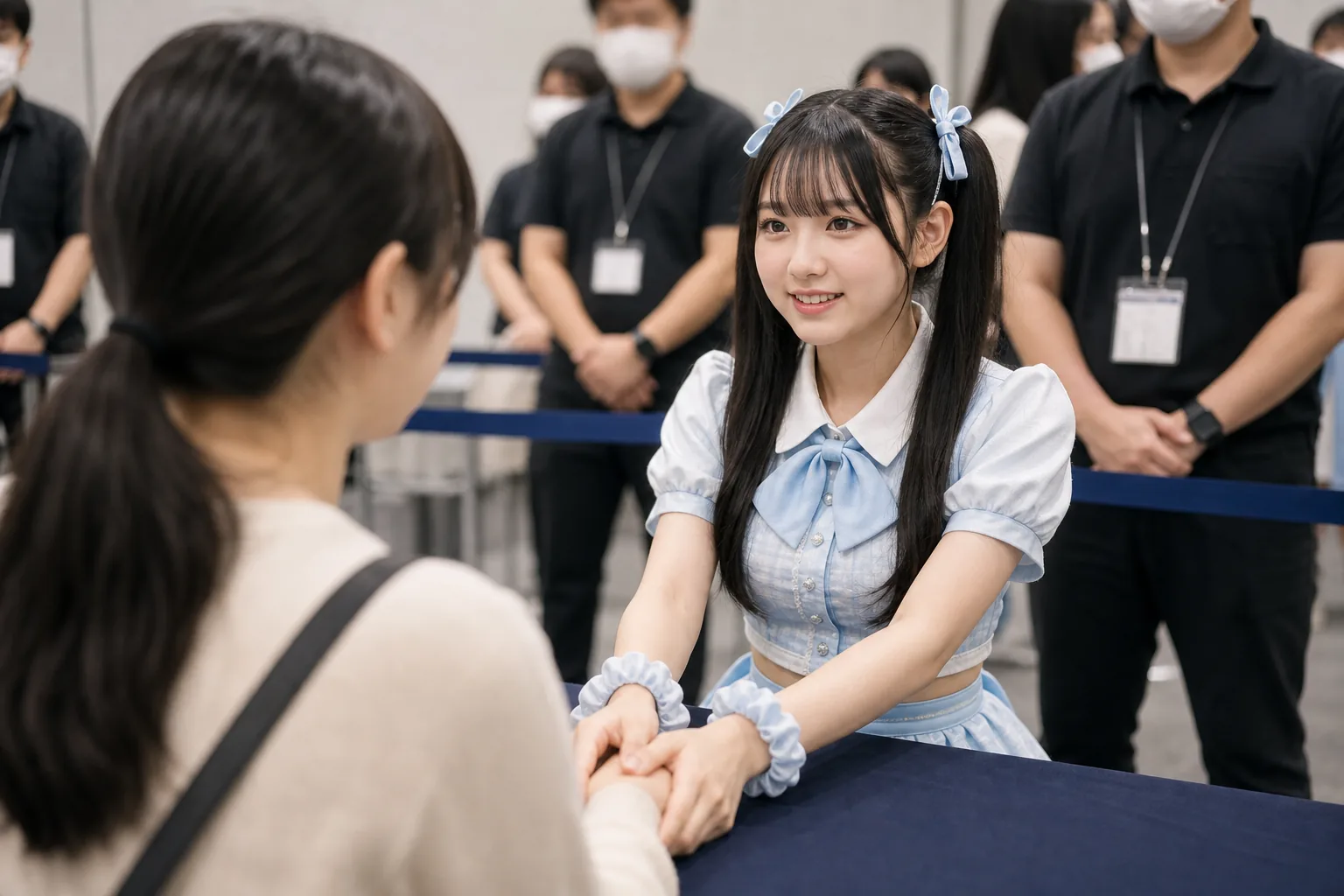
Fans also play a role. Supporting an idol does not give anyone the right to test limits, especially when the performer is a child. A photo session is not a private exchange; it is a controlled promotional activity. Treating it that way protects the artist, the staff, and the wider fan community from conduct that can turn a celebratory event into a harmful one.
The management statement did not announce a ban or identify the individual involved, but it made the group’s position clear: age must be respected, and staff will respond if inappropriate behavior continues. That message may be aimed at one event, yet it reflects a standard that applies far beyond a single group. As more young performers enter idol systems, companies will be judged not only by how they promote them, but by how consistently they protect them.
For Junior Flavor Kumamoto, the immediate priority is likely to keep fan events safe while allowing members to continue working without fear of being put in uncomfortable situations. For the wider idol scene, the incident is another reminder that direct access to performers requires responsibility. When the artist is a minor, that responsibility becomes non-negotiable.



Join the Conversation
Log in to share your thoughts and join the conversation with other fans.