
EVAN Opens Up About ADHD During Jo Hyun Ah YouTube Appearance

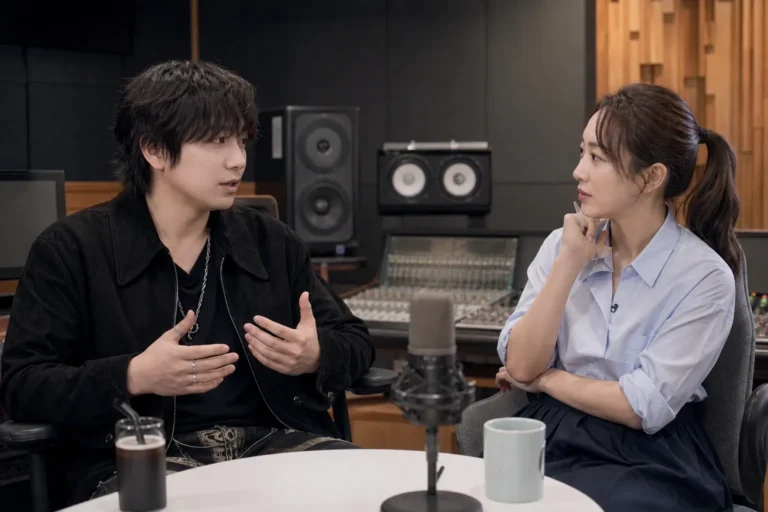
EVAN, the singer also widely known to K-pop fans as Heeseung, has prompted a fresh wave of discussion after casually revealing that he has ADHD during a recent YouTube appearance. The moment came while he was speaking with singer and host Jo Hyun Ah, in a conversation that otherwise focused on music, equipment, and the everyday details of his creative work.
According to Koreaboo, EVAN appeared on Jo Hyun Ah’s channel and talked through a range of topics connected to his music. The disclosure happened not as a formal announcement, but as part of a light exchange about audio gear. While discussing a woofer, EVAN explained that if he pressed down on one and dented it, it would bother him intensely because he has ADHD. Jo then responded with surprise before saying that she has it as well, creating a brief moment of recognition between the two artists.
The exchange stood out because it was understated. Rather than framing ADHD as a headline confession or a dramatic personal reveal, EVAN brought it up in the natural rhythm of a conversation about studio equipment. That matter-of-fact tone is part of why the clip circulated quickly among fans. In a media environment where idols’ comments are often clipped and scrutinized, a casual sentence can become the point that reshapes how audiences read a public figure.
A Casual Comment Becomes a Larger Conversation
For many fans, the detail appeared to answer questions they had been asking about EVAN’s habits, focus, and reactions in public settings. Online discussion around idols often turns small gestures into character judgments, especially during solo promotions, livestreams, or variety appearances. In EVAN’s case, some viewers connected the ADHD disclosure to behaviors that had previously been interpreted through a harsher lens.

That shift matters because EVAN has recently faced criticism over claims about his attitude during solo activities. The new context does not erase every concern people may have had, and it should not be used to diagnose or defend every public moment. Still, it complicates a familiar K-pop cycle: a short clip spreads, viewers assign intent, and the idol becomes the subject of sweeping conclusions before much context is available.
ADHD, or attention-deficit/hyperactivity disorder, is often misunderstood in public conversation. It can involve difficulties with attention regulation, impulsivity, restlessness, emotional intensity, or sensitivity to certain tasks and environments, though experiences vary widely from person to person. For entertainers, those traits may intersect with demanding schedules, rehearsals, interviews, travel, and the constant expectation to appear composed on camera.
Why Fans Reacted Strongly
EVAN’s comment landed in a fandom space that has become more willing to discuss mental health, but still struggles with how to do so responsibly. Some fans expressed surprise, while others said the information helped them understand why he might respond intensely to small disruptions or appear distracted in certain situations. The reaction was not only about curiosity; it also reflected a broader desire to give idols more room to be human.
At the same time, the conversation shows the limits of parasocial interpretation. Fans can feel close to an artist’s work and public personality, but they still see only edited videos, broadcast moments, and selected interactions. A disclosure like this can encourage empathy, yet it should not become another tool for overanalyzing every movement. The healthier response is to accept what EVAN chose to share, avoid projecting beyond it, and let him define his own experience.

The timing is also notable because EVAN has been building his individual identity while remaining tied in public memory to ENHYPEN and the intense expectations surrounding major HYBE artists. Solo visibility can amplify both praise and criticism. A personal comment made during a relaxed YouTube appearance may therefore carry extra weight, especially when audiences are already debating his image, stage presence, and promotional choices.
What makes the moment significant is not that EVAN offered a full explanation of his life, but that he treated one part of it as ordinary. In K-pop, where idols are often expected to be polished, adaptable, and endlessly available, ordinary honesty can feel unusually direct. It gives fans a small but meaningful reminder that performance, personality, and health do not fit neatly into the quick judgments that dominate online discussion.
As the clip continues to circulate, the most useful takeaway may be simple: public figures can share personal information without that information becoming public property. EVAN’s ADHD disclosure adds context to how some fans understand him, but it does not require him to become a spokesperson or to explain every past moment. The conversation now depends on whether fans and commentators can respond with the same restraint that marked the original comment.



Join the Conversation
Log in to share your thoughts and join the conversation with other fans.