

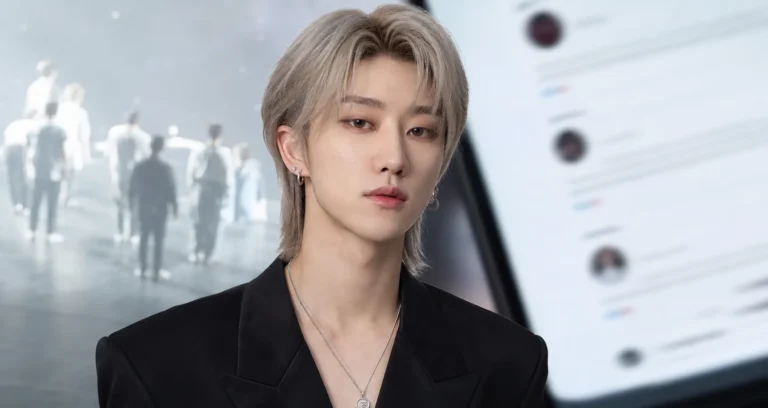
A video allegedly showing SEVENTEEN member The8 in a nightlife setting has become the latest flashpoint in K-pop’s fast-moving online rumor cycle, drawing public attention after clips and claims spread across social platforms. The material was described by outlets as allegedly showing the performer at a club and appearing to smoke, but the claims remain unverified and have been challenged by the artist’s representatives.
The situation escalated after online posts connected the clip to The8, whose real name is Xu Minghao, and drew additional scrutiny toward fellow SEVENTEEN member Jun. The timing gave the discussion extra visibility because Vernon and The8 recently debuted as the group’s subunit V8, putting renewed attention on The8’s individual activities as well as SEVENTEEN’s broader promotion schedule.
Pledis Entertainment, through a statement shared on Weibo, pushed back against what it described as false rumors and malicious interpretations involving Wen Junhui, known professionally as Jun, and Xu Minghao, known as The8. The agency said unauthorized photos and videos had been circulated online with claims taken out of context, arguing that the content had misled the public and damaged the artists’ reputations.
Agency Warns Against Spreading Unverified Claims
According to the statement cited in the report, the company framed the issue not simply as gossip but as a rights violation. It said the circulation of images without permission, combined with fabricated claims and defamatory statements, infringed on the artists’ portrait and reputation rights under Chinese civil law. The agency also said it had collected and preserved evidence related to the posts and accounts involved.
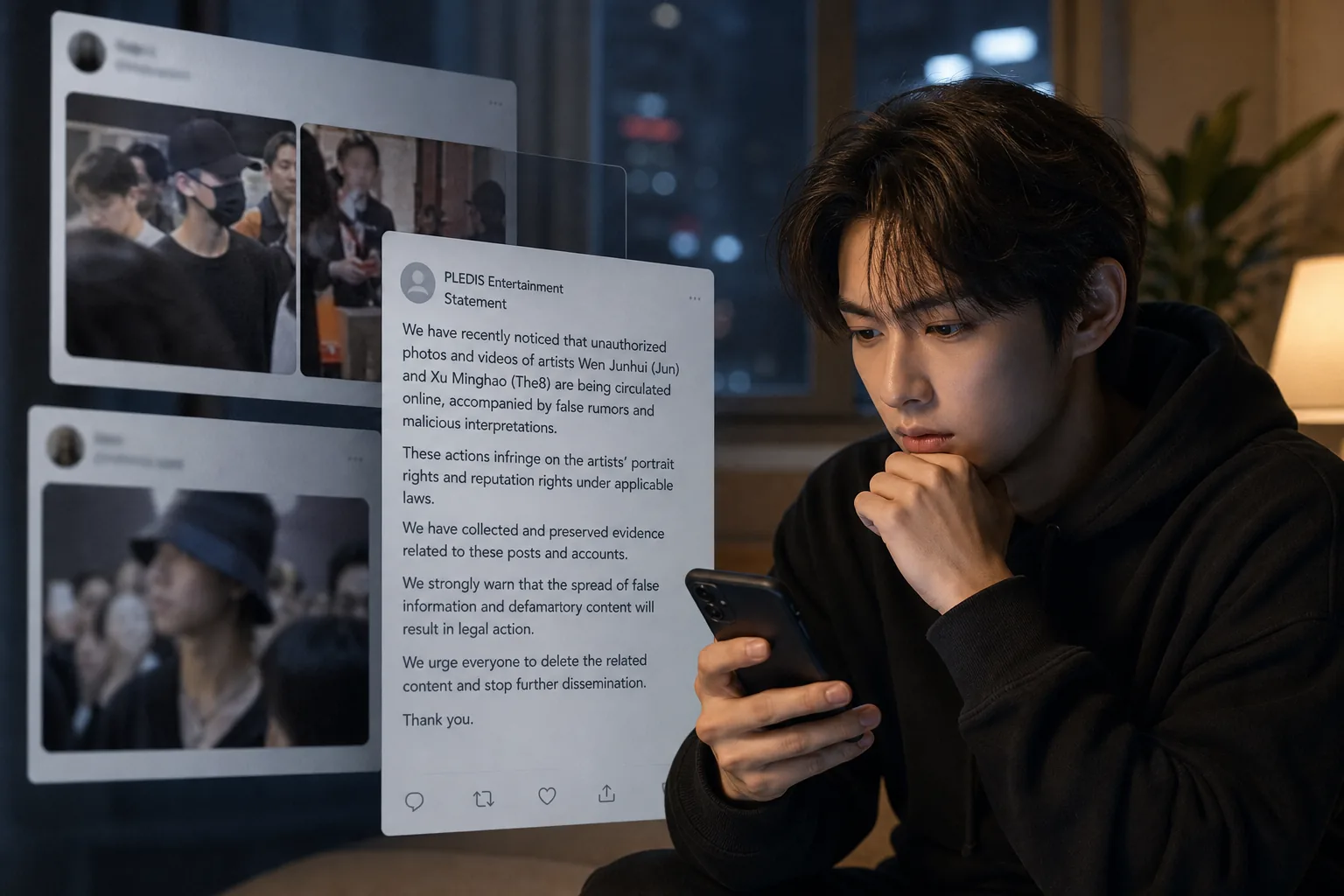
The company warned users to delete false content and stop reposting, commenting on, or otherwise amplifying the material. It also said it would continue monitoring online platforms and take necessary legal measures to protect its artists. While the statement did not detail every claim individually, it appeared to address the discussion around the alleged club video and the wider online commentary that followed.
The agency’s response reflects a familiar pattern in K-pop crisis management: a viral post circulates quickly, fan communities split between skepticism and alarm, and labels respond by emphasizing legal rights, evidence collection, and the need to avoid spreading unverified claims. In this case, the public nature of the clip, the cross-border spread of the discussion, and the involvement of Chinese social media made the response especially direct.
Why The8’s Case Drew Fast Attention
The8 has long maintained a distinct profile within SEVENTEEN as a performer, dancer, and Chinese member with a strong fanbase across multiple markets. That cross-market visibility can amplify both positive milestones and negative speculation. A rumor that might remain confined to one platform can quickly move through fan translation accounts, entertainment forums, short-form video apps, and international K-pop news feeds.
Recent activity around V8 also matters. Subunit debuts naturally focus more attention on individual members, and that spotlight can make artists more vulnerable to close scrutiny outside official schedules. For fans, the new unit is a chance to celebrate a different combination within SEVENTEEN. For rumor-driven accounts, it can also become an opportunity to frame private or ambiguous material as a public controversy.
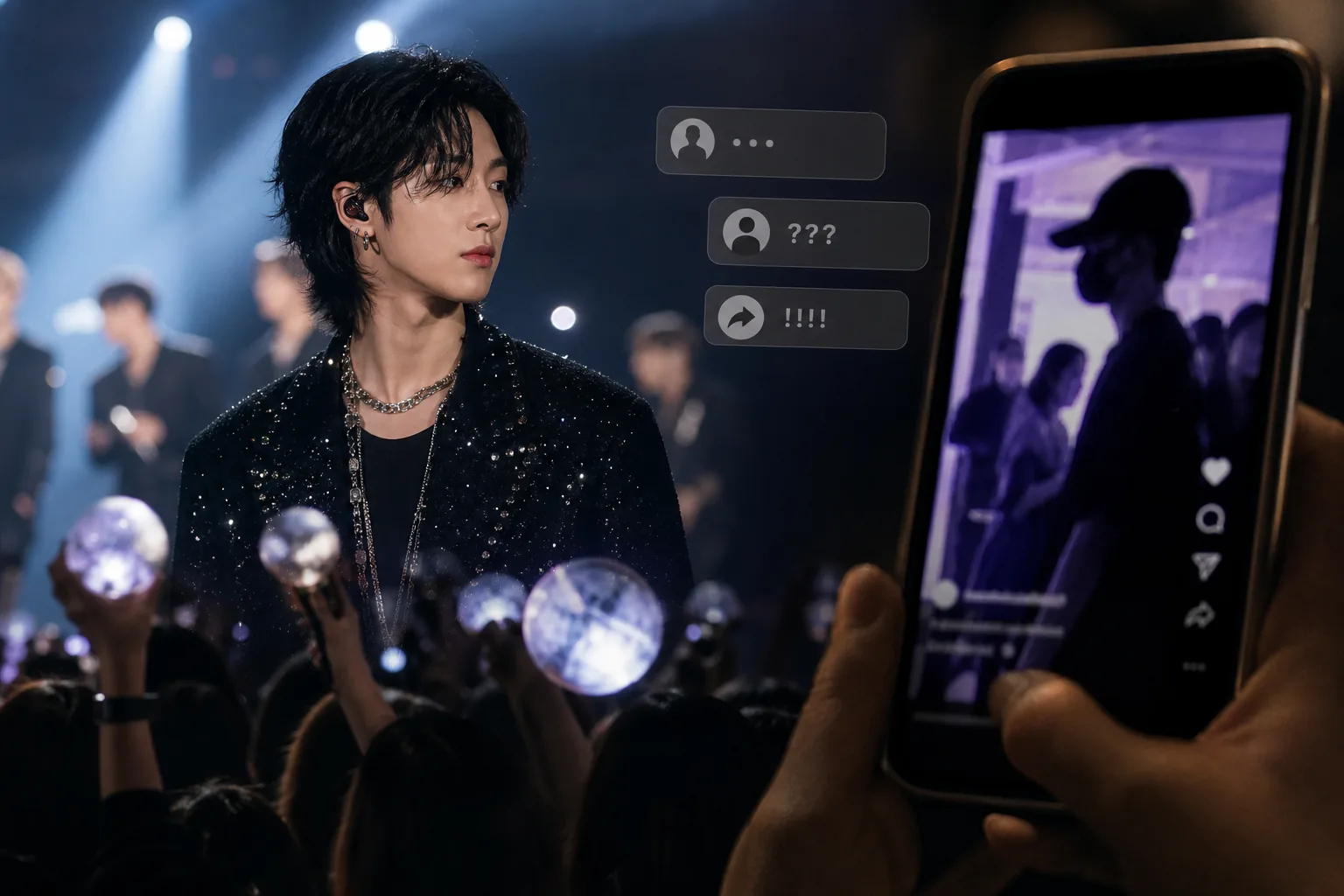
Nothing in the available report independently verifies the allegations made in the circulating posts. The most concrete development is the agency’s denial of false information and its warning that it may pursue legal responsibility against users who continue to spread defamatory material. That distinction is important because online entertainment stories often move faster than confirmation, especially when short clips are separated from their original context.
The episode also highlights the pressure idols face when offstage moments, real or alleged, become public talking points. K-pop artists operate in an environment where image, privacy, and fandom expectations often collide. Agencies increasingly treat rumor control as part of artist protection, particularly when claims involve private behavior, edited media, or posts that can affect reputation before a clear factual record is established.
For SEVENTEEN, the immediate question is less about schedule disruption and more about how quickly the rumor loses momentum after the agency’s response. The group remains one of K-pop’s most established acts, and individual members regularly attract intense online attention. The8’s case shows how quickly that attention can turn from promotional interest to reputation management when a viral claim appears.
As of now, the responsible reading is straightforward: a video and related allegations circulated online, the agency rejected false rumors and malicious interpretations, and legal action was warned if the material continues to spread. Until more verified information emerges, the story is best understood as an example of how entertainment rumor cycles can pressure artists and agencies before facts are fully established.
Join the Conversation
Log in to share your thoughts and join the conversation with other fans.