
Hong Kong Cinema Veterans Warn Korean Film Industry Against Losing Its Next Wave

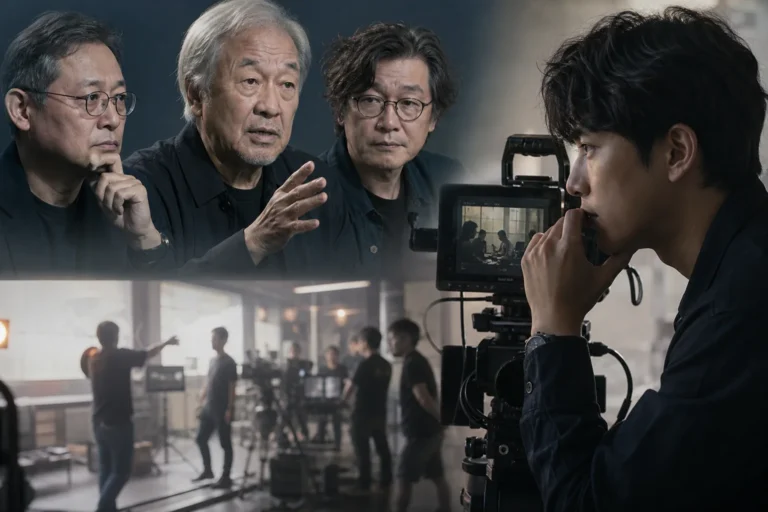
Hong Kong New Wave director Stanley Kwan and screenwriter-producer Chan Hing-kai brought a blunt industry warning to Seoul this week: Korean cinema should study Hong Kong’s decline before its own current slowdown becomes harder to reverse.
The two veterans appeared in Korea for the Hong Kong Film Gala Presentation, where Kwan’s 1987 film Rouge was screened alongside recent works connected to programs supporting newer Hong Kong filmmakers. Speaking at Emu Artspace in Gwanghwamun, they framed the event not only as a retrospective celebration, but also as a conversation about how film cultures survive after their commercial peak.
Kwan, one of the major second-generation figures of the Hong Kong New Wave, recalled that Hong Kong once produced about 200 films a year during its 1980s boom. Today, he said, the industry struggles to make even 20. That drop has become a cautionary example across Asia: a once-dominant film center can lose scale, confidence and institutional memory if younger creators do not receive meaningful pathways into production.
A Warning From Hong Kong’s Film History
The Hong Kong New Wave began before Korea’s late-1990s cinematic surge and shaped generations of Asian filmmakers with its speed, genre play and urban intensity. Directors such as Ann Hui, Tsui Hark and Wong Kar-wai helped create a language that Korean filmmakers later absorbed, challenged and reworked into their own modern movement.
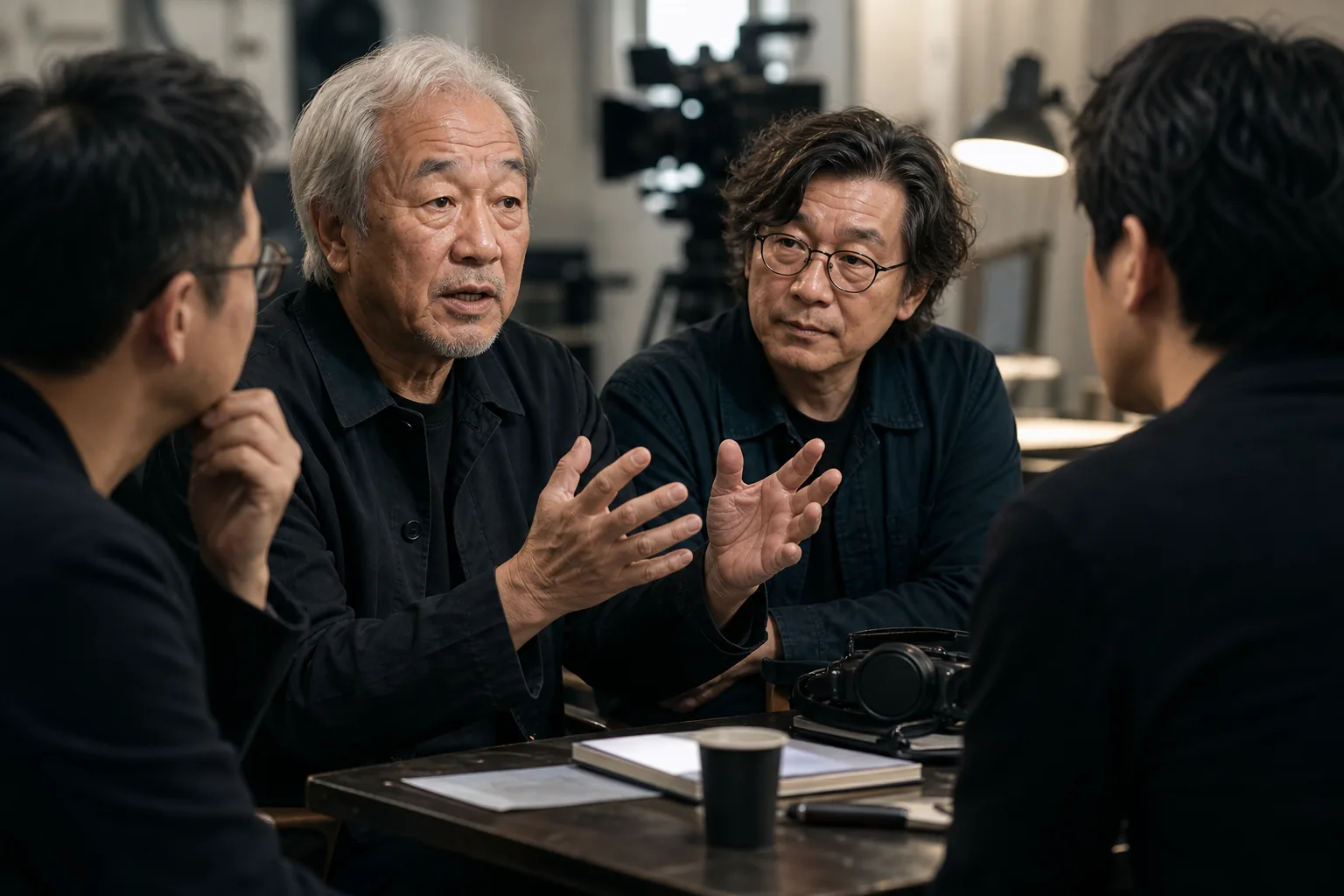
That history matters because Kwan sees parallels in today’s Korean market. He praised Korean cinema for taking energy from Hong Kong films and Hollywood while building a distinct identity of its own. But he also suggested that recent signs of crisis in Korea feel uncomfortably familiar, saying the situation seems to echo the path Hong Kong once followed after its golden age.
Korean cinema has had enormous global victories, from festival prizes to worldwide streaming visibility, but the domestic production ecosystem has faced mounting pressure. Theatrical attendance has been uneven, mid-budget films have become harder to finance, and many producers now compete with streaming platforms and changing audience habits. Kwan’s point was not that Korea has already repeated Hong Kong’s trajectory, but that success alone does not protect an industry from structural erosion.
Mentorship As Industrial Strategy
Both Kwan and Chan emphasized intergenerational transfer as a practical answer. Kwan described entering the business through TVB, where he encountered future stars and filmmakers including Chow Yun-fat and Johnnie To, and later learned from established directors while building his craft. For him, the Hong Kong New Wave did not appear in isolation; it grew because one generation opened doors for the next.
Chan, best known internationally as a writer of A Better Tomorrow, said older industry figures have to ask whether today’s younger directors are struggling partly because the previous generation failed to create enough opportunity. His answer was to combine veteran experience with younger energy, rather than treating nostalgia as the endpoint of Hong Kong cinema’s story.
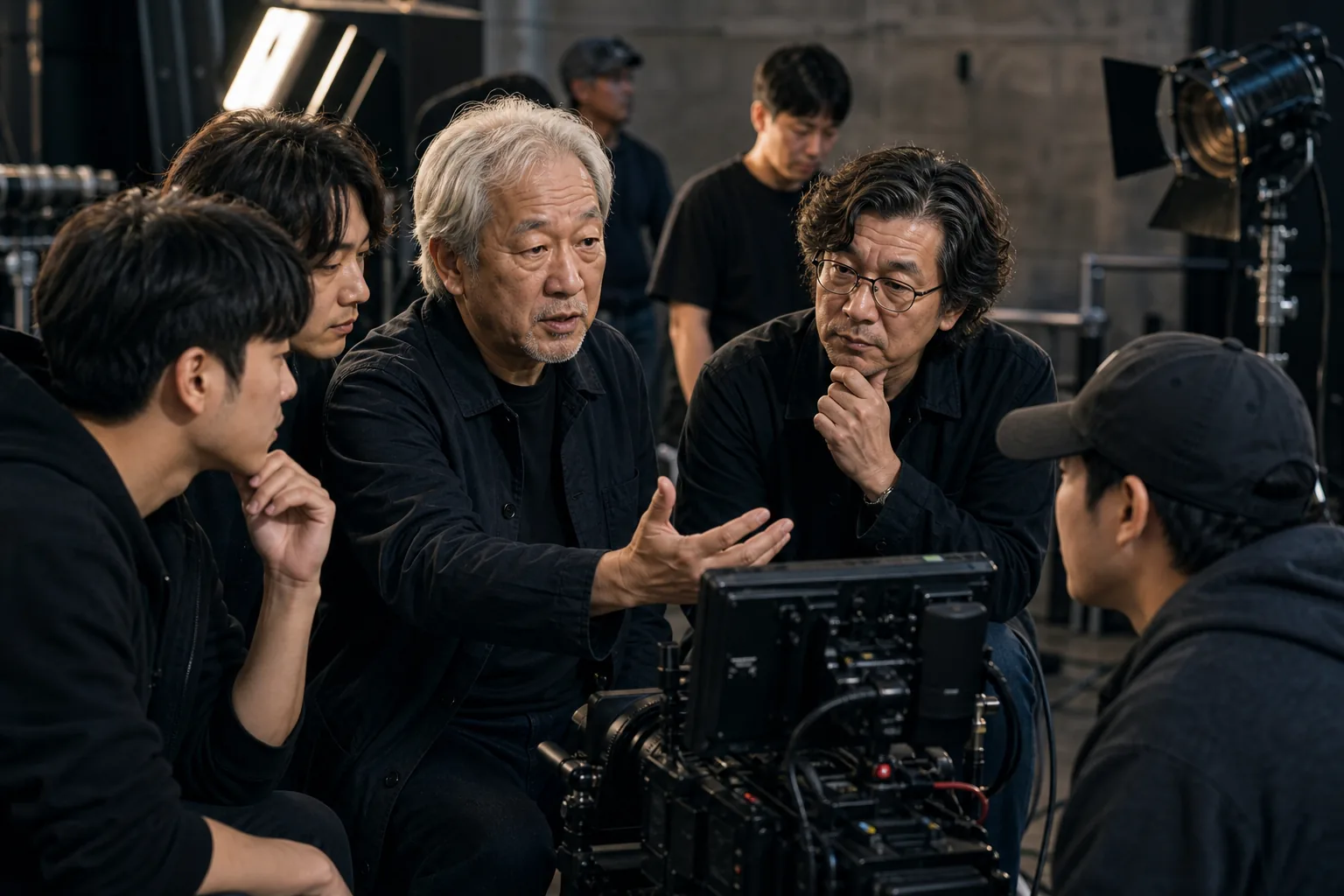
That idea is already taking shape through Hong Kong’s government-backed Passing on the Torch program, which pairs respected directors, screenwriters and producers with new filmmakers from development through completion. Kwan has participated as a producer on Someone Like Me, while Chan helped produce the romantic comedy Love Lies. Both films have travelled through festival channels and were introduced to Korean audiences through the Seoul presentation.
For Korea, the implication is clear: protecting the next wave cannot be left to individual grit alone. If veteran directors, producers, investors and public agencies want Korean cinema to keep its distinctive voice, they may need to invest more deliberately in mentorship, first features, script development and theatrical space for films that are not built only around tentpole economics.
Why The Conversation Resonates Now
The Seoul event also carried emotional weight because Kwan and Chan reflected on Leslie Cheung, whose performances in Rouge and A Better Tomorrow remain central to how Korean fans remember Hong Kong cinema. Kwan recalled Cheung’s sincerity as an actor, especially the way he made eye contact and listened during conversations. Chan shared that Cheung had once asked him for a screenplay because he wanted to direct, a memory he still revisits through an unfinished script.
Those memories underlined the larger theme of the discussion. Film history is not preserved only through restored classics or anniversary screenings; it is preserved when the knowledge behind those films is passed forward. For Korean cinema, which has become a global cultural force, the warning from Hong Kong’s veterans is less about fear than responsibility. A golden age can inspire the world, but the next one needs infrastructure before it needs applause.



Join the Conversation
Log in to share your thoughts and join the conversation with other fans.