
BTS Apologize After Busan Concert Delayed by 1 Hour 15 Minutes, Igniting Fan Anger Over Accountability

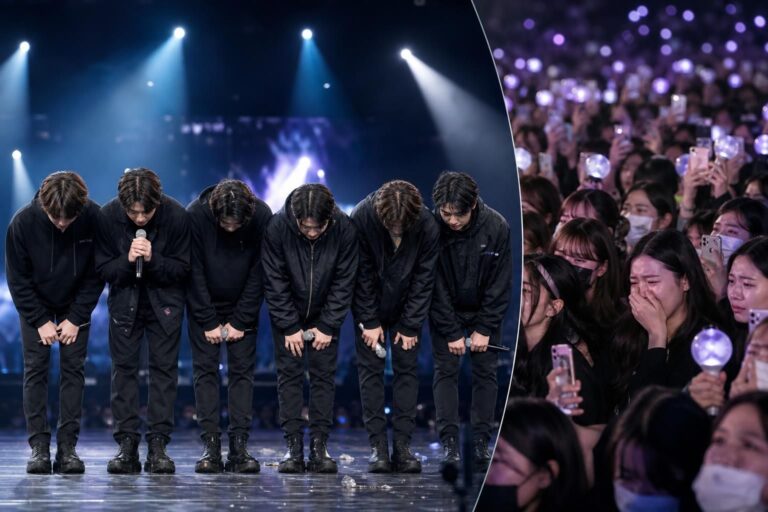
BTS issued a public apology after its Busan stop on the group’s “ARIRANG” world tour ran late by one hour and 15 minutes, a disruption fans say reflected deeper management and venue problems. According to a report from Koreaboo, the delayed start stemmed from alleged issues with entry procedures and gift distribution ahead of the June 12 (KST) concert at Asiad Main Stadium in Yeonje District, Busan. While the apology came from both the company and the performers, many ARMYs reacted with renewed frustration, arguing that the group’s members were effectively put in the position of absorbing blame for others.
Delayed start and a company-level apology
In an official statement posted on social media, HYBE apologized for the “significant inconvenience” caused by the delay on June 12. The message, published under the BTS/HYBE official account, acknowledged that attendees experienced a substantially later start than expected and framed the incident as a failure that required direct acknowledgment to concertgoers.
The report also says that the scale of the disruption prompted a formal response from BIGHIT Music (HYBE’s music arm). While major concerts routinely encounter operational issues, an additional delay of more than an hour tends to heighten audience scrutiny—especially when it involves processes that directly affect ticket holders, such as gate entry and event materials.
Members’ apology during a Weverse livestream
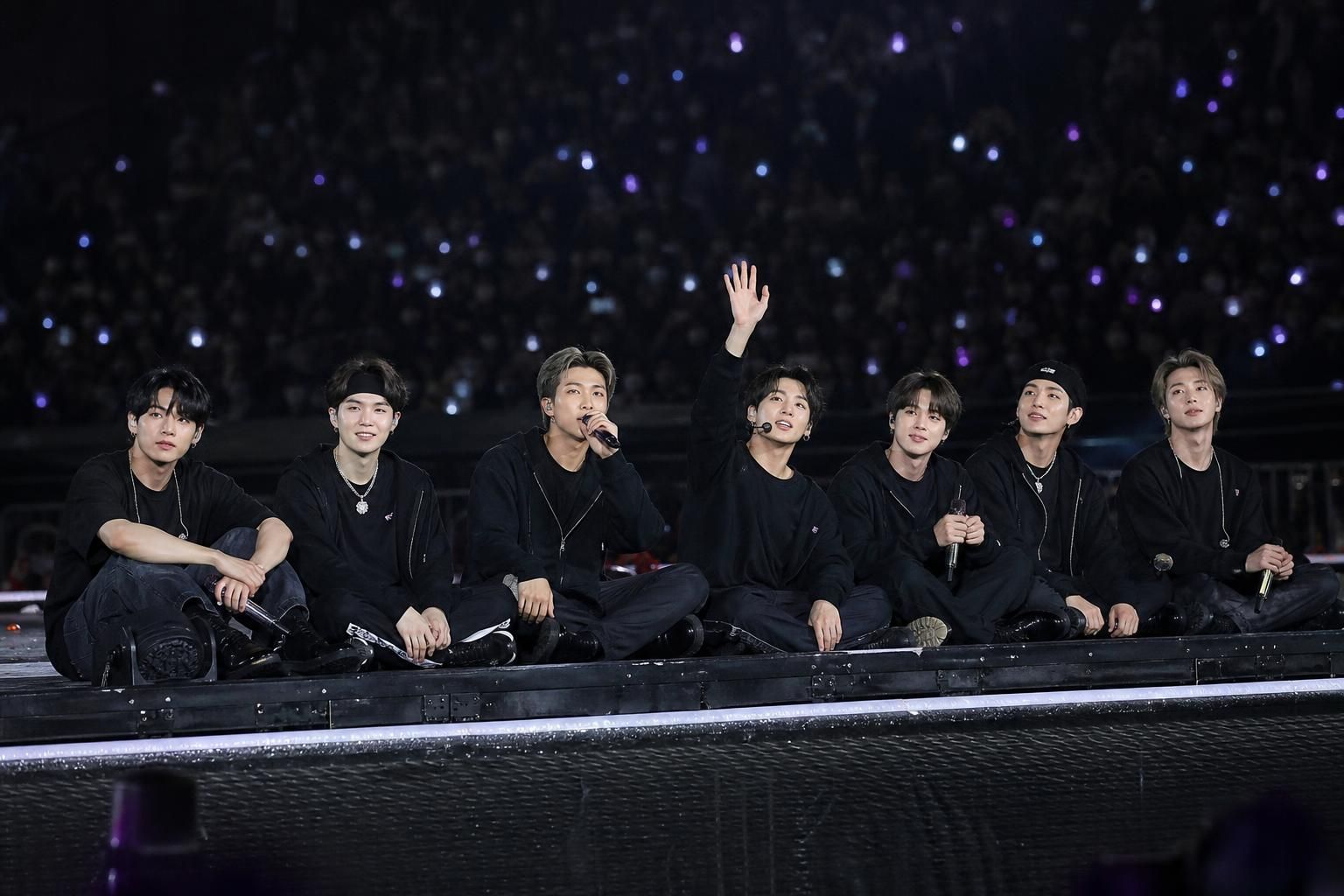
Following the concert, BTS members Jimin and Jungkook addressed the incident during a Weverse livestream, the outlet says. They apologized “on behalf of BIGHIT,” while describing their own limited visibility into the precise causes. In the livestream, the members indicated they were not fully informed about what went wrong, but emphasized that internal review was underway and that steps would be taken to prevent similar issues.
According to the report, the members’ discussion focused in part on how the planned fan gift distribution, intended as a gesture of appreciation, ended up contributing to on-site complications. That nuance—good intentions colliding with operational failure—appeared to be a key reason why the members tried to take responsibility personally, even while they suggested the breakdown occurred in organization and execution rather than in the fans’ behavior.
Why fans were angry: “accountability” becomes the central issue
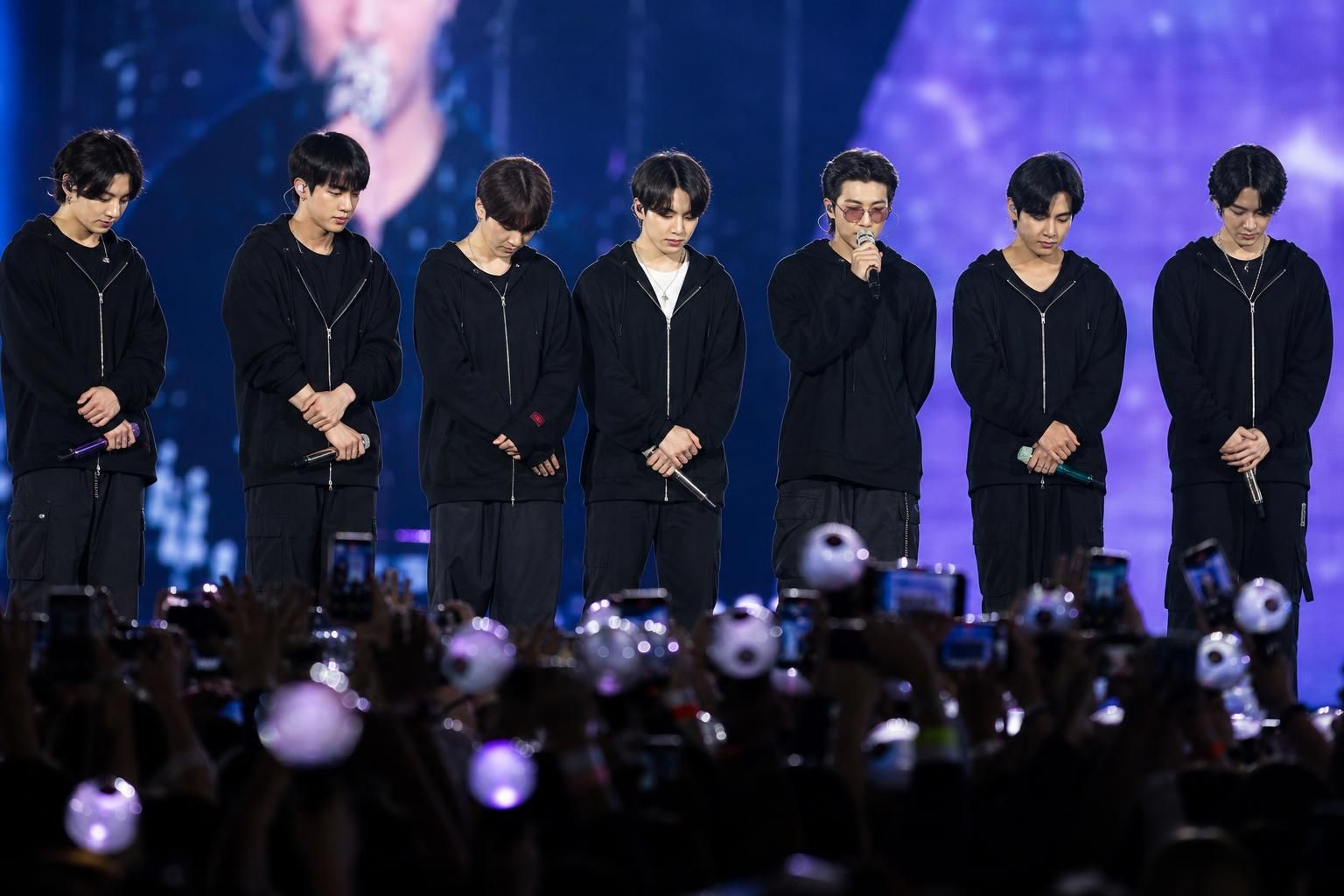
Despite the members’ respectful tone, ARMY reactions—captured through social posts cited by Koreaboo—showed a sharp shift from disappointment about the delay to outrage over who should be held accountable. Many fans argued that the apology framework placed the burden on BTS and its immediate representatives, even though they believed the operational failures were largely driven by external stakeholders such as the venue and local organizing entities.
Multiple commenters in the report describe a recurring pattern they associate with large-scale events, asserting that logistical mismanagement at venues and by city-level organizers continues to generate disruptions while the performers are left to mitigate fallout. Some fans also criticized the framing of responsibility, saying it was “disrespectful” or unfair for performers to apologize on behalf of a broader system, particularly when other parties—such as local authorities, venue contractors, or event logistics providers—are expected to manage on-the-ground execution.
Social media backlash highlights the pressure on performers
As K-pop tours scale up across stadiums, the gap between rehearsed performance and live event operations has widened. BTS’s experience in Busan reflects a reality that fans have increasingly demanded transparency about: when crowd-control processes, entry workflows, and distribution logistics fail, the impact is immediate and personal for attendees.
In this case, even though BTS’s members appeared to acknowledge the problem and express regret, the audience anger suggests that apology—while culturally and emotionally significant—may not satisfy supporters if it does not clarify responsibility for the root causes. The report’s cited reactions point to a demand for clearer accountability, not just expressions of regret.
What comes next for the tour and for event organizers
For BTS and HYBE, the immediate next step is likely to be further operational review and adjustments for future stops. The members’ comments, as described in the report, indicated that analysis was already underway. If the delay involved entry procedures and gift distribution specifically, future venues may face updated coordination requirements and contingency plans intended to prevent a repeat of the same failure points.
For fans, the next signal to watch is whether official follow-up addresses accountability beyond BTS/HYBE—particularly whether venue contractors or city-level organizing bodies are identified in communications, or whether improvements are announced with measurable specifics. If supporters continue to push for stronger transparency, it could influence how major tours structure on-site logistics, documentation, and escalation protocols to ensure performers aren’t forced into a blame role they don’t control.



Join the Conversation
Log in to share your thoughts and join the conversation with other fans.
There is something really warm about seeing hard work turn into moments like this.
This feels like one of those updates where the human side matters most. Hope things move toward clarity soon.
This feels like the kind of update where the next few days could change the conversation pretty quickly.