
BTS’ Busan “ARIRANG” Concert Delayed Over Entry and Gift-System Failures, Prompting Official Apology and Fan Outrage

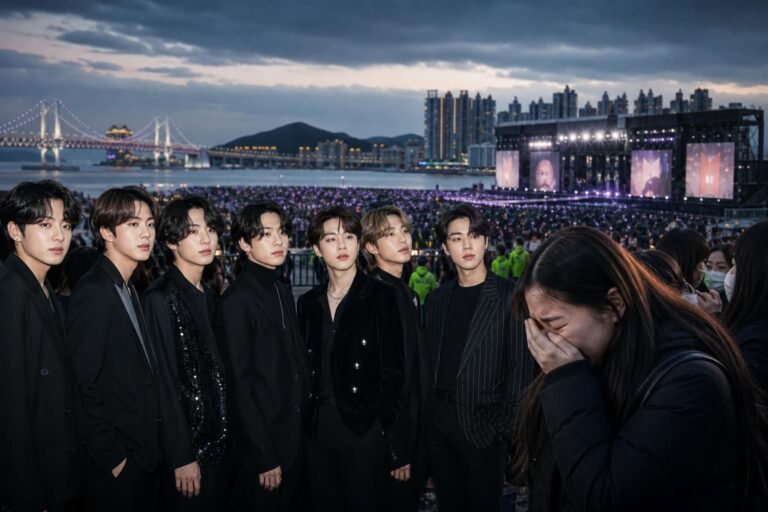
BTS’ much-anticipated ARIRANG stop in Busan turned into a public controversy on June 12 (KST), after the concert’s start time reportedly slipped by more than an hour and fans and attendees circulated accounts of widespread breakdowns in entry procedures and event gift distribution. According to posts shared following the show at Asiad Main Stadium in Yeonje District, crowd control problems, shortages of wristbands and giveaways, and friction around the venue’s facial-recognition “Face Pass” system contributed to a chaotic day—prompting both an official apology from the organizers and a subsequent on-camera response from BTS members.
The situation has reignited criticism about event readiness and accountability, with many fans arguing that the burden of the apology should not fall on performers. While HYBE released a statement addressing the delay, members including Jimin and Jungkook later apologized during a Weverse livestream “on behalf of BIGHIT,” adding to the anger among ARMYs who say operational failures were primarily the responsibility of the venue and local organizers.
Concert start delayed after entry and gift distribution issues
Organizers attributed the delayed start to problems tied to admission logistics and giveaway distribution. HYBE posted an official notice on social media for attendees, apologizing “for the significant inconvenience caused by the delayed start” of BTS WORLD TOUR ‘ARIRANG’ in Busan on June 12, with the message disseminated via BTS and HYBE’s channels. (The Koreaboo report states the delay was approximately one hour and 15 minutes, though the exact timing details vary across accounts.)
Online accounts described a mismatch between the planned schedule—scheduled to begin at 7 PM—and the reality at the venue, where the performance reportedly started well after 8 PM. Fans said the delay compounded frustration for people who were relying on public transportation or fixed return plans after the show.
Allegations of crowd-control failures and bottlenecks at gates
Beyond the late start, much of the backlash centered on claims of insufficient crowd management. Multiple posts from attendees described pushing and shoving in the venue area, with some stating they were “fortunate” a larger safety incident did not occur. Social media users also alleged that entry wristbands and complimentary items ran out, leaving some guests without the expected “benefits” despite arriving during designated access windows.
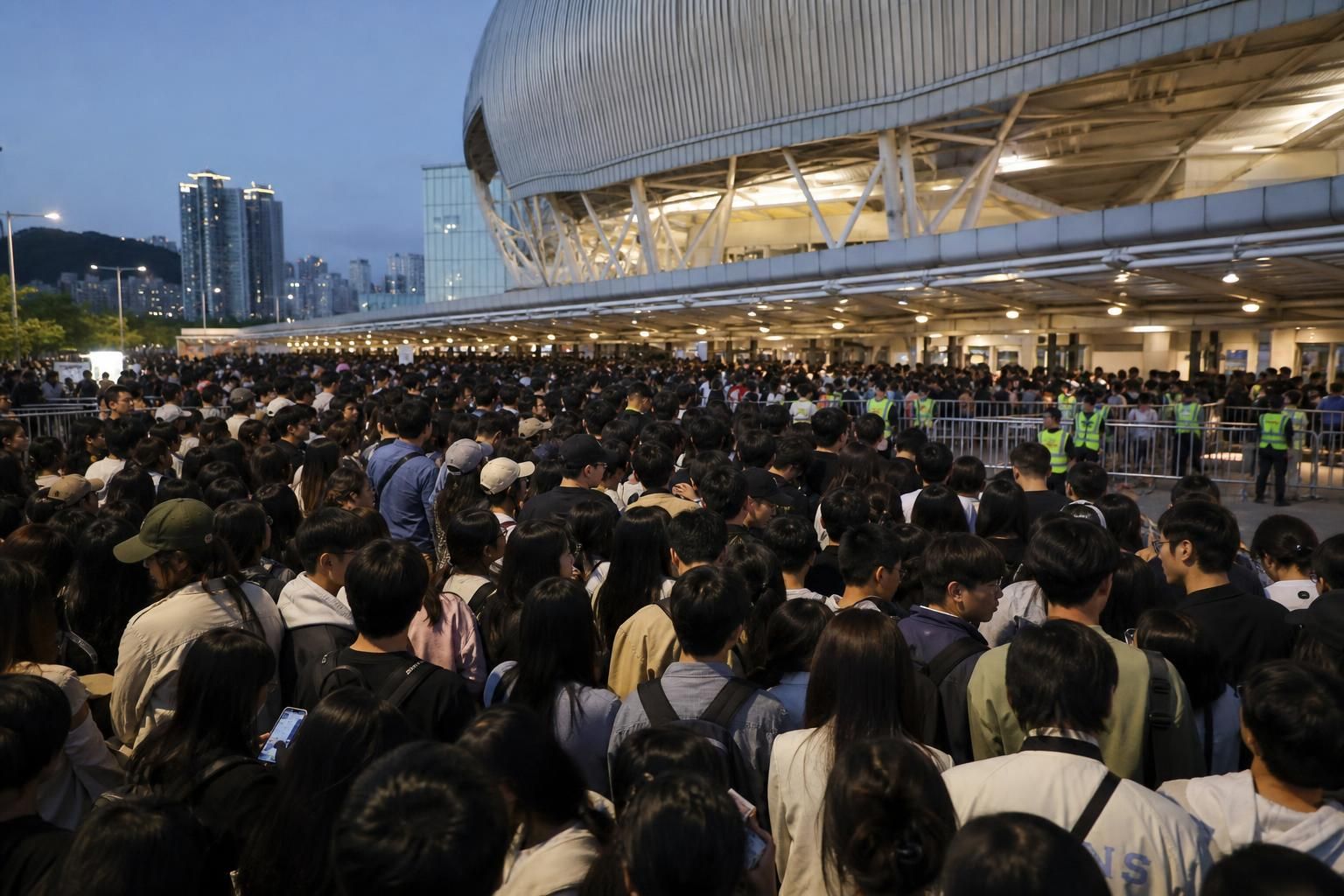
A recurring theme in the complaints was queue confusion: attendees said pickup lines for gifts and lines for merchandise purchases became intertwined, creating additional bottlenecks. For many fans, the slowdown at gates wasn’t simply inconvenient—it shaped their ability to follow the event timeline and access key features of the experience.
“Face Pass” admission system criticized for contributing to delays
A particularly pointed element of the controversy involved the facial-recognition entry system described in the coverage as “Face Pass.” Multiple attendees characterized the process as error-prone and slow, with allegations that customers faced issues without sufficient staff guidance or customer service coverage.
One account described being unable to secure an entry gift after the time window had effectively passed, while still managing to enter only after repeated waiting and troubleshooting. Another post argued that there was insufficient queue organization and little operational guidance during the admission phase—despite the event reportedly drawing on similar systems used in past Busan concerts.
Fans also raised a “repeat failure” concern: they said earlier Busan events had already drawn criticism for overcrowding and navigation problems, and questioned why improvements were not implemented ahead of the June 12 show.
BTS members apologize—fans demand accountability from organizers
After the concert, BTS members addressed the situation directly. The Koreaboo report says Jimin and Jungkook apologized to fans “on behalf of BIGHIT” during a livestream on Weverse. In that response, the members reportedly acknowledged they were not fully aware of the specific internal details that led to the breakdown, while expressing regret that the fan-gift component—intended as a positive gesture—ended up causing issues.

While the apologies were framed as sincere, they also sparked a secondary wave of criticism. Many ARMYs expressed frustration that performers were being placed in a position where they had to absorb blame or convey responsibility for operational mistakes. Posts referenced the “real stakeholders” behind venue operations and city-level coordination, with calls for Busan’s organizers and related entities to issue direct accountability rather than deferring responsibility to artists.
Why this matters: live-event ops, safety, and public trust
Large-scale concerts increasingly rely on technology—such as facial recognition and tiered entry systems—to streamline admission, verify eligibility, and manage high-volume crowds. The June 12 Busan backlash suggests the opposite can happen when system performance, staffing, queue design, and contingency planning fail in tandem.
The controversy also highlights a broader public trust issue: when schedules slip and crowds compress, fans may experience the event not as entertainment but as a prolonged logistical breakdown. For promoters and venues, the reputational risk extends beyond one show—especially when critics argue similar issues have occurred before in the same market.
What comes next
HYBE has already issued an apology regarding the delayed start, but the next phase will likely focus on whether an internal review results in operational changes—particularly around entry flow design, gift distribution capacity, and how technology-based systems are supported on the ground. Fans will also be watching for clarifications about what exactly malfunctioned during admission and whether additional staffing, improved queue separation, or revised timelines will be applied at future stops.
Meanwhile, the public pressure may intensify for more direct accountability from venue operators and local authorities involved in the concert’s coordination. As the criticism spreads, organizers are likely to face demands not just for apologies, but for measurable improvements and clearer communication ahead of subsequent tour dates.



Join the Conversation
Log in to share your thoughts and join the conversation with other fans.
This feels like the kind of update that makes the wait feel worth it for fans 💫