
BTS Busan Concert Backlash Grows After Delayed Start, Crowd-Control Complaints, and a Public Apology

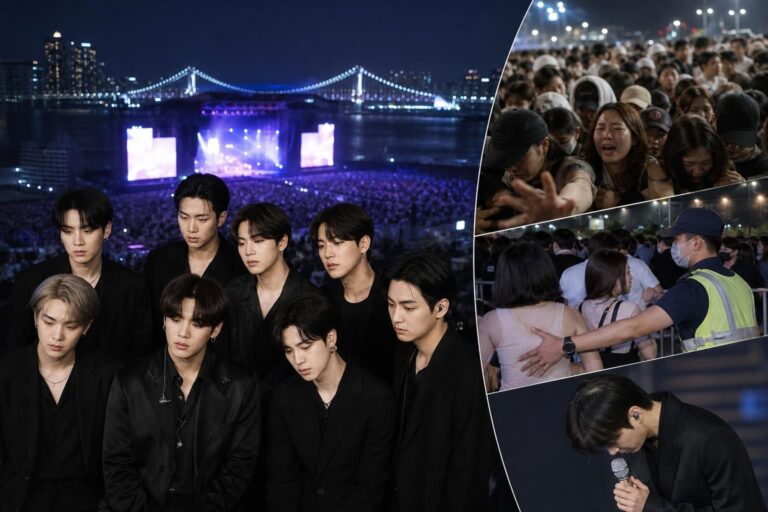
BTS’ first show of its Busan stop on June 12, held at Asiad Main Stadium in Yeonje District, quickly became a flashpoint online after attendees and fans alleged a series of venue and entry-system failures—culminating in a formal apology from HYBE and additional remarks from BTS members during a livestream on Weverse.
Among the most discussed issues were a delayed kickoff, alleged crowd-control breakdowns, and confusion tied to fan entry and distribution processes. The controversy has reignited questions about accountability for large-scale event operations in South Korea, with many fans arguing that the people affected—fans traveling to the venue under strict time constraints—should not be left absorbing the fallout.
One-hour-plus delay and operational complaints
According to attendee accounts shared widely online, the concert was scheduled to begin at around 7 p.m. but did not start until more than an hour later. Fans said the late start stemmed from problems in the entry procedure and the distribution of fan gifts tied to the event.
In addition to the timing, multiple reports described physical bottlenecks and ineffective crowd management. Some attendees claimed the stadium area became so crowded that people were pushing and shoving while trying to move through entry and holding zones. While no crowd crush incident was reported in the posts cited by Koreaboo, fans emphasized that “it was fortunate” that conditions did not escalate further—turning what might have been a logistical failure into a broader safety conversation.
Common complaints also focused on shortages and mismanagement related to wristbands and giveaways, which—fans argued—created confusion at the worst possible moment. Several posts alleged that merchandise pickup queues and sales lines became tangled, compounding delays and frustration.
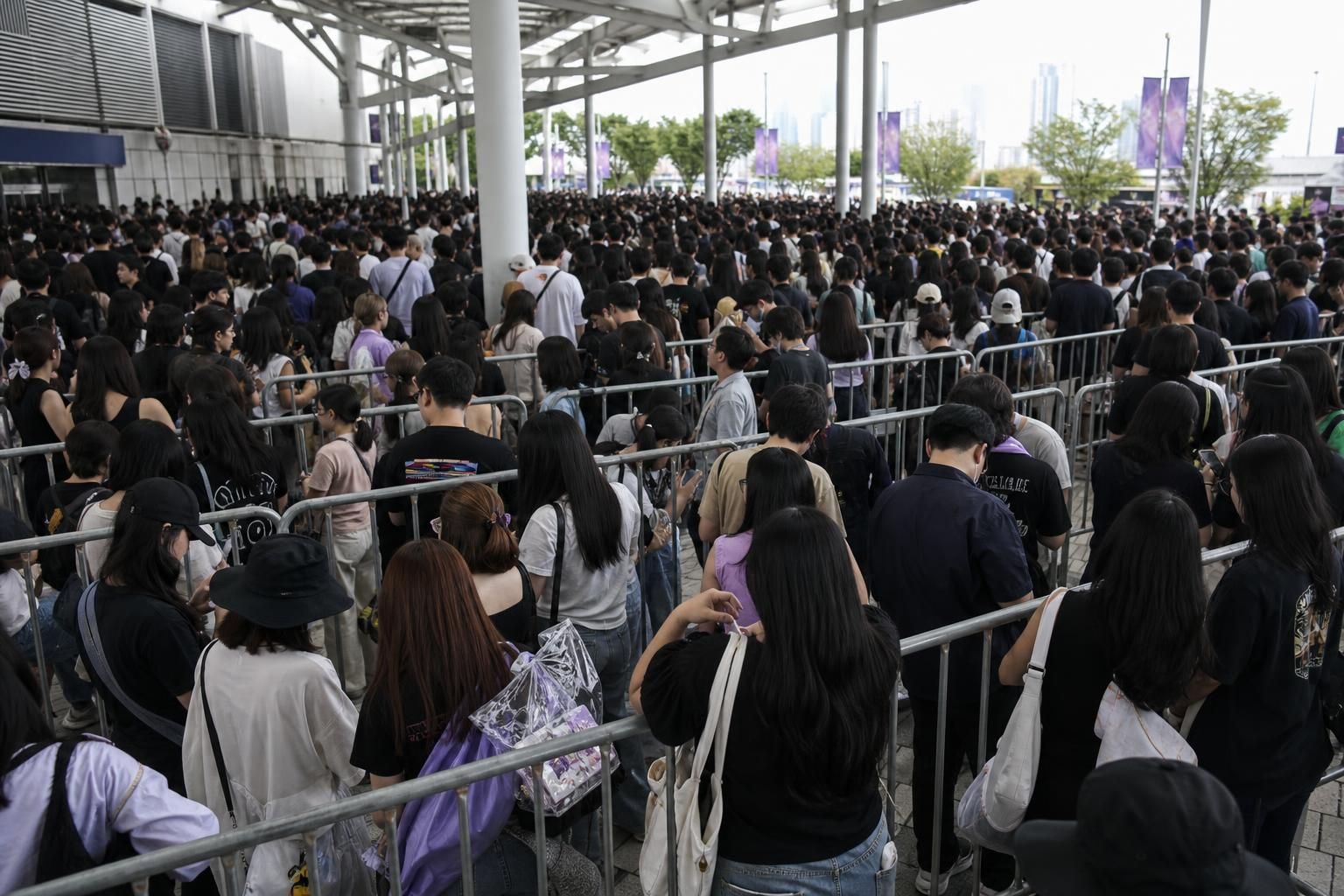
The Face Pass system comes under fire
One of the most persistent targets of criticism was the event’s facial recognition entry approach, referred to in the coverage as “Face Pass.” Fans described the process as error-prone and difficult to navigate, with some claiming staff were not adequately managing queues or providing clear guidance. In one example cited in Koreaboo’s reporting, a fan said she gave up on receiving an entrance gift at around 8:10 p.m., after encountering what she characterized as an unclear and malfunctioning entry workflow.
Others argued that the system’s failures were not just technical, but operational: if an automated identification tool produces errors, effective human support and queue management become crucial to prevent chaos. Several fans also pointed to the timing problem—delays at the gate can have downstream consequences for people needing to return home, including those planning to catch the last train or bus.
Critics also noted that Busan had faced similar crowd-management criticism during a prior BTS concert, raising the question of whether the event’s operators learned from earlier shortcomings.
HYBE apology and BTS members addressing fans
As the controversy spread, HYBE/BIGHIT issued an official statement apologizing for “significant inconvenience” caused by the delayed start of the BTS WORLD TOUR ‘ARIRANG’ in Busan. The company’s public notice placed responsibility on the organization for the disruption, acknowledging the impact on attendees.
After the concert began, BTS members—specifically Jimin and Jungkook—also addressed the issue during a Weverse livestream. According to Koreaboo, Jimin acknowledged the situation at the venue and expressed regret, while also saying he was not fully aware of the precise technical or procedural causes. The comments referenced an analysis process and included an apology presented “on behalf of BIGHIT.”
However, many ARMYs reacted with anger toward the broader accountability dynamic. While fans accepted that the performers were showing concern, they also complained that BTS members were being placed in a position where they had to apologize for what fans described as problems rooted in the venue and local organizers. In posts cited by the publication, some demanded that the Busan government and those responsible for on-the-ground operations should be the ones to answer directly.

Viral image, “mad” expression, and the atmosphere onstage
As the concert unfolded, another moment became a secondary story: a clip of Jungkook’s facial expression early in the show went viral online, with viewers interpreting it as a sign of being upset—often linking it to the offstage disruptions. While the clip alone cannot confirm what anyone felt in the moment, fans connected the “mad” look to the delay and pre-show chaos reported in the same day’s timeline.
Some supporters joked that the members appeared to be “working overtime” to compensate for lost time. Others said the expressions reflected collective frustration, reinforcing how deeply front-of-house disruptions can spill into the audience’s perception of the entire event experience.
What happens next for safety, systems, and trust
For fans, the immediate question is whether the event operator will publish a clearer explanation of what failed—specifically whether the delay came from staffing, procedure design, or technical problems tied to facial recognition entry. Given the intensity of the backlash, further updates from HYBE and event authorities would likely be scrutinized not just for outcomes, but for whether they outline concrete remediation steps.
More broadly, the incident may influence how Korean large-scale events deploy biometric or automated identification tools. If systems like “Face Pass” are used, organizers may face higher expectations for backup procedures, queue staffing, real-time error handling, and clearer signage—so that technology does not become the bottleneck during peak demand.
In the coming days, observers will likely look for official responses beyond apologies: whether compensation is offered to affected ticket holders, whether operational audits are discussed publicly, and whether Busan-based event management practices are revised for future mass gatherings.



Join the Conversation
Log in to share your thoughts and join the conversation with other fans.
This feels like one of those updates where the human side matters most. Hope things move toward clarity soon.
This one feels complicated, but I hope the conversation stays fair and thoughtful.